Feast of the Annunciation: 5 Inspiring Traditions to Observe
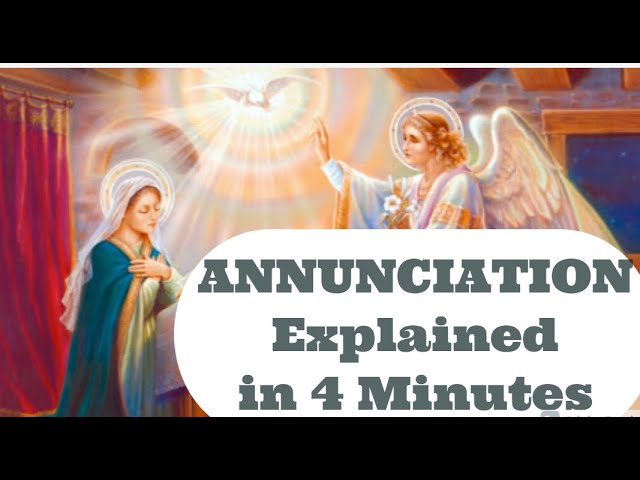
Feast of the Annunciation
Introduction to the Feast of the Annunciation
🌼 Have you ever pondered the significance of the Feast of the Annunciation? This sacred celebration is observed annually on March 25th in many Christian traditions, marking the moment when the Archangel Gabriel announced to the Virgin Mary that she would conceive the Son of God. This pivotal event not only lies at the core of Christianity but also carries profound implications for faith and humanity. In this article, we’ll explore the origins, traditions, and significance of the Feast of the Annunciation, while also drawing comparisons to other related observances, enriching your understanding of this momentous occasion.
Historical Context
The roots of the Feast of the Annunciation can be traced back to the early Christian Church, where the event was esteemed as one of the key moments in the story of salvation. Celebrated on March 25th, this date also corresponds with other significant events, such as the Feast of the Incarnation. The early Church Fathers recognized this date to celebrate the divine intervention in human history and God’s promise of redemption.
Unlike other solemn observances in the liturgical calendar, the Feast of the Annunciation is a time of joy. According to Wikipedia, the announcement was seen by early Christians as ‘good news,’ heralding the hope that the Messiah would bring.
Liturgical Significance
Within the Christian liturgical year, the Feast of the Annunciation is a celebration that highlights themes such as faith, obedience, and divine grace. It often precedes the season of Lent, making it a preparatory time for the upcoming passion of Christ. Throughout the centuries, varying denominations have shaped their observances of this feast, each enriching its meaning in unique ways.


For instance, the Roman Catholic Church incorporates special Masses, where the readings focus on the Annunciation. The Eastern Orthodox Church celebrates this feast with elaborate hymns and beautiful iconography, emphasizing the mystery and significance of the event. Learn more about Catholic traditions surrounding this feast.
Traditions and Customs
Across different cultures and denominations, the Feast of the Annunciation is celebrated through various customs and traditions. In many Western Christian traditions, it may include:
- The singing of special hymns that reflect on the event.
- Liturgical prayers dedicated to the Virgin Mary and the angels.
- Artistic expressions such as paintings and sculptures depicting the Annunciation.
In contrast, Orthodox Christians often partake in a more solemn observance with an emphasis on fasting and prayer leading up to this feast. The cultural variations showcase how this single event can unite diverse communities in faith while allowing for the expression of unique traditions.
Art and the Annunciation
Throughout history, the Feast of the Annunciation has inspired countless works of art. Renowned painters, such as Leonardo da Vinci and Fra Angelico, have captured this moment of divine communication. Their masterpieces serve not only as visual representations of the event but also as powerful tools for meditation and reflection.
Art related to the Annunciation often emphasizes themes of light, divine presence, and purity. The angel Gabriel is depicted as a radiant figure while Mary is shown with openness and grace. This artistic tradition enriches the feast, providing a visual narrative that invites contemplation. Explore the significance in art.
Prayers of the Feast of the Annunciation
Prayer is an essential aspect of the Feast of the Annunciation. The “Hail Mary” prayer, which originates from this event, is integral to Catholic devotion. Likewise, many churches create special prayers and petitions that focus on the themes of acceptance and faith. These prayers often emphasize Mary’s acceptance of God’s will, encouraging the faithful to embrace their own divine calls.
Moreover, spiritual practices surrounding the Feast of the Annunciation serve not only to honor Mary but also to inspire believers to reflect on their relationship with God. Through prayer and meditation, individuals can experience personal transformation and a deeper understanding of their faith.
Modern Observances and Innovations
In today’s world, the Feast of the Annunciation has also seen modern adaptations. Many congregations organize community events that include:
- Workshops focused on the themes of spirituality and personal growth.
- Joint prayer services that foster unity among different denominations.
- Outreach programs aimed at serving the community in reflection of Mary’s acceptance of her mission.
These innovative observances create inclusive environments where individuals can explore their faith. Compared to traditional practices that often emphasize individual devotion, modern adaptations encourage communal celebration and engagement.
Combining the Feast of the Annunciation with Other Observances
If you’re interested in enhancing your understanding and experience of the Feast of the Annunciation, consider integrating it with other religious observances or personal spiritual practices. Here are a few actionable ideas:
- Daily Meditations: Pair daily meditations on the scriptures relating to the Annunciation with your prayer routine. This can deepen your understanding of Mary’s role in the story of salvation.
- Artistic Expression: Engage in creating or reflecting on art related to the Annunciation. Whether painting, writing, or creating digital art, this practice can enhance your appreciation of the feast.
- Community Service: The spirit of the Annunciation can be embodied through acts of service within your community. Organize a service project that reflects acceptance and outreach.
- Shared Meals: Host a gathering to celebrate the feast with loved ones, sharing meals that reflect local traditions while discussing the significance of the Annunciation.
- Participate in Online Webinars: Engage with virtual discussions or webinars regarding the Annunciation. This allows for the sharing of diverse perspectives and enhances your connection to the event’s meaning.
By integrating these practices, you can create a more holistic and enriching experience that complements the observance of the Feast of the Annunciation.
Conclusion
The Feast of the Annunciation serves as a powerful reminder of divine communication, faith, and acceptance. Celebrated with unique traditions, prayers, and artistic representations, this feast invites you to reflect on your spiritual journey. By embracing this observance and even integrating it with other practices, you can deepen your connection to the themes it embodies. As you ponder the significance of the Annunciation, remember that the spirit of acceptance and openness toward God’s call is what allows this timeless message to resonate in today’s world.
For further reading and exploration on the Feast of the Annunciation, consider visiting EWTN’s insights or delve into resources provided by the Vatican Archives. These sources offer deeper insights into the festival’s importance across different traditions.
