Fatima prayer most holy trinity: essential, practical guide in 5 steps
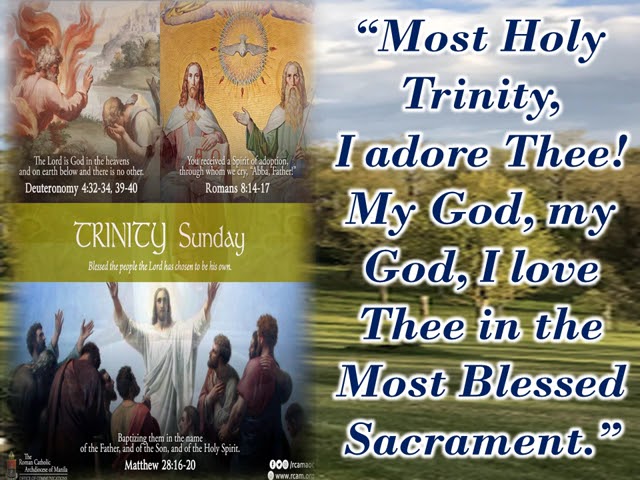
fatima prayer most holy trinity: meaning, text, and how to pray it today
The fatima prayer most holy trinity is a short, profound Catholic prayer of adoration and reparation addressed to God the Father, Son and Holy Spirit. Taught to the three shepherd children in Fátima by the Angel of Peace in 1916, it is cherished by many believers as a way to deepen Eucharistic devotion, renew faith in the Triune God, and pray for the conversion of sinners. In this guide, you will find the prayer text, its history and meaning, practical tips on how to pray it, and answers to common questions—presented clearly and respectfully for adults who are not experts.
Whether you are new to devotionals or returning to them after a while, the fatima prayer most holy trinity can become a simple, steady way to honour God, especially during quiet moments before the Blessed Sacrament, at home, or as part of the Rosary.
What is the fatima prayer most holy trinity?
The fatima prayer most holy trinity is often known as the “Angel’s Prayer” or the “Eucharistic Prayer” taught at Fátima. It is focused on adoration of the Triune God and on reparation—that is, making spiritual amends—for sins, indifference and sacrileges committed against Jesus present in the Eucharist. It also asks for the conversion of sinners through the merits of the Sacred Heart of Jesus and the Immaculate Heart of Mary.
Text of the fatima prayer most holy trinity
Most Holy Trinity, Father, Son and Holy Spirit, I adore Thee profoundly, and I offer Thee the most precious Body, Blood, Soul and Divinity of Jesus Christ, present in all the tabernacles of the world, in reparation for the outrages, sacrileges and indifference by which He Himself is offended. And through the infinite merits of His Most Sacred Heart, and the Immaculate Heart of Mary, I beg of Thee the conversion of poor sinners.

This is the traditional English wording used by many Catholics. Some prayer books modernise “Thee” to “You”. Either form expresses the same devotion and intent of the fatima prayer most holy trinity.
Origins and context: the Angel of Peace and the children of Fátima
Before the well-known 1917 apparitions of Our Lady of Fátima, the three shepherd children—Lucia dos Santos and her cousins Francisco and Jacinta Marto—reported three visits from an angel in 1916. The angel introduced himself as the Angel of Peace (also called the Angel of Portugal). During these encounters, the angel taught the children several prayers, including the short “Pardon Prayer” (“My God, I believe, I adore, I hope and I love You…”) and the more extended fatima prayer most holy trinity quoted above.
The fatima prayer most holy trinity was associated in particular with the angel’s encouragement to adore the Eucharistic Jesus and to offer reparation for sins. The emphasis on reverence, silence, and adoration reflects a deeply Eucharistic spirituality. For a clear historical summary and the Church’s perspective, see the Vatican’s document on The Message of Fátima.
Key themes within the fatima prayer most holy trinity
1) Adoration of the Triune God
The prayer begins by naming God as Father, Son and Holy Spirit, affirming the heart of Christian belief: one God in three Persons. To “adore… profoundly” means to worship God for who He is, not only for what He gives. The fatima prayer most holy trinity offers a brief but complete act of worship suitable for both private reflection and communal devotion.
2) Eucharistic faith
The reference to the “Body, Blood, Soul and Divinity of Jesus Christ, present in all the tabernacles of the world” points to the Catholic belief in the Real Presence of Christ in the Eucharist. By uniting our prayer to this belief, the fatima prayer most holy trinity invites deeper reverence at Mass, Eucharistic adoration, and in daily life—especially when entering a church or passing before a tabernacle.
3) Reparation
Reparation involves offering prayer and love to God, asking Him to accept it in atonement for offences, indifference or neglect—both our own and those of others. In the fatima prayer most holy trinity, this takes the form of offering Jesus Himself—in sacramental presence—as the perfect and pleasing offering to the Father. It is a humble way to say, “I am sorry” and to intercede for the world.
4) The Hearts of Jesus and Mary
The prayer calls on “the infinite merits of His Most Sacred Heart, and the Immaculate Heart of Mary.” This reflects a long Catholic tradition of trusting in the compassion of Jesus and the maternal intercession of Mary. The fatima prayer most holy trinity situates our personal prayer within the great current of grace flowing from Christ, with Mary as a faithful companion and model.
How to pray the fatima prayer most holy trinity
There is no single “correct” time or place; the flexibility is one reason it has become beloved. The prayer can be used:
- At the start or end of personal prayer time.
- Before the Blessed Sacrament, in adoration or simple church visits.
- After receiving Holy Communion, as a thanksgiving.
- At home when praying the Rosary (some add it after a decade or at the end).
- During times of penance or on Fridays as a simple act of reparation.
Step-by-step guide to the fatima prayer most holy trinity
- Find a quiet moment and place yourself in God’s presence. A deep breath or the Sign of the Cross can help you focus.
- Slowly recite the fatima prayer most holy trinity, pausing briefly after key phrases: “Most Holy Trinity… I adore Thee profoundly… present in all the tabernacles of the world… in reparation…”
- At the line “the conversion of poor sinners”, think of specific people or situations you wish to entrust to God’s mercy.
- Conclude with silence. If you wish, add the “Pardon Prayer” (“My God, I believe, I adore, I hope and I love You…”), or an Our Father, Hail Mary and Glory Be.
Tips for praying with focus
- Speak slowly; let the meaning sink in rather than rushing the words.
- Unite intention and action: if praying reparation, you might also practise a small act of charity that day.
- Use a printed card or keep the text on your phone until memorised.
- If you struggle with distractions, quietly repeat “Most Holy Trinity” for a few breaths before beginning the full text.
Integrating the fatima prayer most holy trinity into daily life
Many find a simple routine helpful: once in the morning and once at night. Others integrate the fatima prayer most holy trinity with the Rosary, after each decade or at the end, alongside the familiar “O my Jesus” Fátima Decade Prayer. It is also fitting before work or study, asking God to bless your day and to unite your small efforts with His generous love.
On days when you visit a church, consider pausing before the tabernacle to offer the fatima prayer most holy trinity in silence. This small habit can foster a stronger awareness of Christ’s presence throughout your week.
Common misunderstandings and gentle clarifications
“Is this a magic formula?”
No. The fatima prayer most holy trinity, like all Christian prayer, is a relational act. Its power lies not in the syllables themselves, but in the faith, humility and love with which we address God and unite ourselves to Christ’s saving work.
“Do I need to feel something?”
Not necessarily. Feelings come and go. The fatima prayer most holy trinity is fundamentally an act of the will: choosing to adore, to offer reparation, and to intercede—whether or not you feel inspired at that moment.
“Is it only for Catholics?”
The prayer arises from a Catholic context and expresses specifically Catholic beliefs (especially the Real Presence in the Eucharist). However, any baptised Christian who affirms the Trinity may find its central intentions—adoration, sorrow for sin, and prayer for conversion—meaningful.
Basic concepts explained
Adoration
Adoration means worshipping God as God. In the fatima prayer most holy trinity, adoration is the first movement: acknowledging the glory and holiness of Father, Son and Holy Spirit.
Reparation
Reparation is a spiritual response to sin and indifference. It is not about “earning” forgiveness, but about uniting our love and sorrow to Christ’s perfect sacrifice for the sake of others. The fatima prayer most holy trinity expresses this beautifully by offering Jesus Himself to the Father.
Conversion
Conversion is a turn of heart and life towards God. Praying the fatima prayer most holy trinity for “the conversion of poor sinners” is a concrete way to love our neighbour—interceding for grace, healing and a fresh start.
Examples of when and how to use this prayer
- Before work: “Lord, I offer my day with the fatima prayer most holy trinity; use my efforts for Your glory.”
- After confession: a quiet act of thanksgiving and reparation.
- During Eucharistic Adoration: repeat the prayer slowly, interspersed with silence.
- In family prayer: teach children the opening line, adding a short explanation about adoration and kindness.
- For a friend in difficulty: name them when you ask for “the conversion of poor sinners,” broadening the intention to include healing and peace.
How this prayer sits alongside other devotions
It is common to weave the fatima prayer most holy trinity into a broader devotional life. For instance, many Catholics pray the Rosary daily and the Divine Mercy Chaplet regularly, both of which emphasise trust in God’s mercy and intercession for the world. If you would like a simple introduction to a mercy-focused devotion, see this practical guide to the Divine Mercy Chaplet prayer.
Those who enjoy praying with Scripture might also reflect on the tenderness and power of God in passages such as Zephaniah 3:17, which can frame the intention of reparation and hope for renewal. For a short reflection, you can read this article on Zephaniah 3:17.
Recommended external resources
- The Message of Fátima (official Vatican text and commentary)
- Overview of the Fátima prayers (Wikipedia)
- Prayers of Fátima with background (Catholic News Agency)
Frequently asked questions about fatima prayer most holy trinity
Is the fatima prayer most holy trinity different from the “O my Jesus” Decade Prayer?
Yes. The “O my Jesus” prayer is traditionally said after each decade of the Rosary and focuses on pleading for mercy, especially to save souls from hell. The fatima prayer most holy trinity is an act of adoration and reparation centred on the Eucharistic presence of Christ and on intercession for conversion. Both belong to the family of Fátima prayers but serve slightly different purposes.
When is the best time to pray the fatima prayer most holy trinity?
There is no fixed rule. Many people pray it after Holy Communion, during Eucharistic Adoration, as part of the Rosary, or whenever they pass by a church. It is also helpful at the start or end of the day. The key is to pray it attentively and with faith.
Must I be in a church to say the fatima prayer most holy trinity?
No. While it is particularly fitting before the Blessed Sacrament, you can pray it at home, at work, or while travelling. The intention of reverence and reparation can be offered anywhere.
Can I pray the fatima prayer most holy trinity for someone else?
Absolutely. The prayer invites us to intercede “for the conversion of poor sinners.” You may hold a specific person or group in mind, asking God to guide them towards truth and love.
Is there an indulgence attached to the fatima prayer most holy trinity?
Specific indulgences depend on official Church grants and conditions. Even when an indulgence is not specified, the prayer remains spiritually fruitful. If you are interested in indulgences, speak with a priest or consult official Church resources.
What if I stumble over the wording of the fatima prayer most holy trinity?
Do not worry. Pray slowly and sincerely; God hears the heart. You can use the traditional wording or a modernised version with “You” instead of “Thee”. The meaning and intention remain the same.
Conclusion on fatima prayer most holy trinity
Simple, rich, and deeply centred on God, the fatima prayer most holy trinity offers a practical way to adore the Triune God, honour the Eucharistic presence of Jesus, and make reparation for the wounds of sin and indifference. In just a few lines, it unites us to the Sacred Heart of Jesus and the Immaculate Heart of Mary while widening our concern to the conversion and renewal of the whole world.
Prayed daily, the fatima prayer most holy trinity can shape a gentle rhythm of faith: quiet adoration, humble sorrow, and hopeful intercession. Whether in a church, at your desk, or before sleep, this prayer invites you to offer your day and your heart to God, trusting that He can draw great good from small acts of love.
If you choose to integrate the fatima prayer most holy trinity into your routine, begin simply—once in the morning, once in the evening—and let its words guide you into deeper silence and attentiveness. Over time, you may discover that this brief devotion becomes a steady anchor, helping you to live in God’s presence and to pray for others with compassion and confidence.
