Expedite saint: essential guide with 5 key prayers and tips
expedite saint: meaning, history, and devotion
The phrase expedite saint usually refers to Saint Expeditus, a popular Roman Catholic figure believed to offer swift help in urgent situations. Whether you call him Saint Expeditus or Saint Expedite, devotees seek his intercession when time is short and clarity, courage, or decisive action is needed. This guide explains who the expedite saint is, why people turn to him, how to pray respectfully, and what to expect from such a devotion.
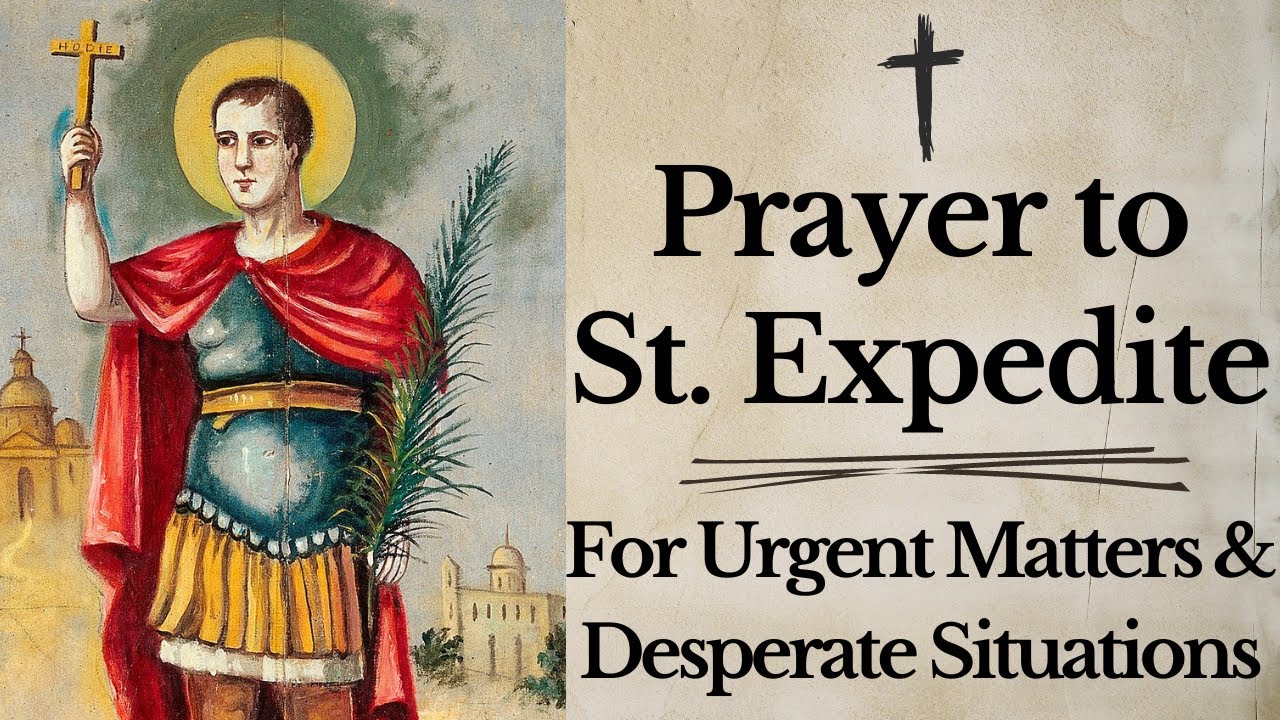
While some regard the expedite saint as a folk favourite rather than a formally emphasised saint, the devotion spans countries and centuries. From Europe to Latin America and parts of the Caribbean, his image as a Roman soldier holding a cross marked “Hodie” (Latin for “Today”) symbolises choosing resolve now rather than delay. Many adults who are not experts in religious studies still find comfort in his story and in practical, simple prayers when confronted by deadlines, legal complications, financial strain, or important decisions.
Who is the expedite saint?
In Christian tradition, the expedite saint is associated with Saint Expeditus, a Roman-era martyr. Hagiographical details are sparse and sometimes contested, but the core image endures: a disciplined soldier-saint who stands for promptness, discernment, and the courage to do the right thing today. His feast day is commonly observed on 19 April in many Catholic communities, and devotees often mark the date with prayers of thanksgiving or petitions for help with urgent matters.
Names, feast day, and iconography
Depending on language and region, you may encounter “Saint Expédit” (French), “Santo Expedito” (Portuguese and Spanish), or simply “Saint Expedite”. The expedite saint is typically depicted as a Roman soldier lifting a cross inscribed “Hodie” and stepping on a crow labelled “Cras” (Latin for “Tomorrow”). The symbolism is clear: resist procrastination, choose integrity, and act decisively in the present. Flowers, candles (often red), and notes of thanks are common offerings after prayers are said and favours are believed to have been received.


Why people turn to the expedite saint today
Many people feel overwhelmed by tight deadlines and complex choices. The expedite saint resonates because he embodies prompt help and steady resolve. In stories passed down among devotees, he is invoked for time-sensitive needs—such as urgent job decisions, visa renewals, paying bills in a pinch, scheduling surgery, or finding clear direction before a fast-approaching date. The devotion can sit comfortably alongside wider Christian prayer, as believers ask God for help through the intercession of a saint known for timely assistance.
Common intentions brought to the expedite saint
- Work and livelihood: job offers, promotions, meeting targets, or resolving workplace conflicts.
- Legal or administrative matters: applications, appeals, visas, or paperwork nearing deadline.
- Financial pressure: urgent bills, unexpected expenses, or finding fair solutions quickly.
- Health and care: scheduling appointments, securing timely treatment, or finding the right specialist.
- Family and relationships: mending misunderstandings, making crucial choices, or communicating clearly.
- Studies and exams: staying focused, managing deadlines, and performing well under time pressure.
How to pray to the expedite saint (step-by-step)
There is no single official formula; different communities use different prayers. The heart of the devotion is sincerity, clarity, and gratitude. Here is a simple, respectful approach many find helpful when turning to the expedite saint.
- Set your intention clearly. In a quiet moment, state what you need help with, especially the time-sensitive elements. Be honest and specific.
- Ask for God’s help through the intercession of the expedite saint. In Catholic practice, intercession means asking a holy person to pray with and for you, not to replace faith in God.
- Use a short prayer. For example: “Saint Expeditus, faithful servant of Christ and intercessor for urgent causes, please present my request before God. Help me act with wisdom and courage today.” Add your intention in your own words.
- Commit to doing your part. Ask for guidance to make fair, ethical choices promptly—then take the next responsible step.
- Include thanksgiving. Promise that, if your petition is granted, you will offer thanks and share a short testimony, give to charity, or light a candle in gratitude.
- Repeat for nine days (optional). Some people pray a short novena to the expedite saint, especially ahead of a deadline. Consistency can help focus the heart and mind.
- Conclude with patience and trust. Not every request is answered as expected. Noticing quiet positive changes—clarity, courage, an unexpected encounter—matters as much as a dramatic turnaround.
Offering and thanksgiving etiquette
Devotees commonly thank the expedite saint with simple gestures, such as a donation to someone in need, a note of gratitude left at a church, or a candle. The key is sincerity rather than superstition. If your request relates to finances, consider donating to a local charity as part of your thanks. If your intention was for a loved one’s health, sharing time in service to others can be a meaningful offering. Gratitude should be proportionate, modest, and genuine.
Evidence, belief, and a balanced perspective
There is no scientific evidence for intercessory prayer outcomes in the sense of guaranteed results; devotion to the expedite saint is a matter of personal faith and spiritual experience. That said, many believers report that prayer brings calm, focus, and better decision-making. By clarifying intentions and committing to ethical action, people often see practical, real-world improvements. A balanced approach combines prayer with tangible steps—seeking advice, meeting deadlines, and communicating clearly.
If you are exploring the role of saints within Christian belief, the Catholic idea of the “communion of saints” may be helpful. It frames the saints as companions who pray with us. For an accessible overview of saints and their place in Christian practice, you can consult the BBC’s summary on saints and veneration, or review the Catechism’s teaching on the communion of saints from the Vatican’s archive (links below).
Common mistakes to avoid with the expedite saint
- Treating prayer as a transaction. The expedite saint is not a vending machine for favours. Keep prayer relational, not mechanical.
- Making unethical promises. Never vow anything that compromises your integrity or harms others.
- Neglecting your responsibilities. Praying to the expedite saint is not a substitute for action. If a deadline is looming, organise your time and seek help.
- Overcomplicating practices. Simple, heartfelt prayers are fine. Don’t feel pressured to buy specific objects or follow superstitious steps.
- Ignoring gratitude. If you believe your petition was answered, say thank you—privately or publicly—in a measured, sincere way.
expedite saint across cultures
Devotion to the expedite saint is widespread. In parts of France and Réunion, the saint is known as “Saint Expédit”, and small roadside shrines can be found. In Brazil and Latin America, “Santo Expedito” is well known, with processions and feast day celebrations. In some places, especially where folk Catholicism and local traditions meet, the devotion blends with cultural practices—yet its core remains the same: asking for help to act rightly and promptly.
In the United States, stories about the expedite saint circulate in communities with strong Catholic roots. In New Orleans, where diverse spiritual traditions intersect, the image of Saint Expedite is familiar in some churches and shops. Across these contexts, thoughtful devotees emphasise prayer, ethical action, and gratitude.
Practical tips for integrating the expedite saint devotion into daily life
- Keep it simple. A short morning prayer can centre your day: “Saint Expeditus, guide me to do the right thing today.”
- Pair prayer with planning. Write down the top three tasks that will genuinely move your situation forward.
- Use reminders. The “Hodie” motto (“Today”) can be a gentle prompt to avoid procrastination.
- Share responsibly. If you receive help, share a brief, respectful note of thanks—without pressuring others or promising results you can’t guarantee.
- Stay grounded. Seek professional advice when needed (legal, financial, medical), and combine prayer with sound judgement.
Recommended external resources
- Background and global devotion to Saint Expeditus (Wikipedia)
- Catechism of the Catholic Church: communion of saints and intercession (Vatican)
- BBC overview of saints and their role in Christian practice
- Encyclopaedia Britannica: What is a saint?
Related articles
Frequently asked questions about expedite saint
Is the expedite saint officially recognised by the Church?
“Recognised” can mean different things. The Church recognises many saints used in devotional practice, yet not every local or folk devotion receives the same emphasis everywhere. The expedite saint corresponds to Saint Expeditus, a figure venerated in various regions for centuries. Even where formal historical details are debated, the devotion is practised by many Catholics, who focus on prayer, ethical action, and gratitude.
What is the best day to pray to the expedite saint?
You can pray any day, especially when a deadline is near. Some people mark 19 April, the commonly observed feast day of Saint Expeditus, with special prayers or thanksgiving. Others prefer a nine-day novena leading up to a critical date. The key is sincerity and clarity about your intention.
Can non-Catholics ask for help from the expedite saint?
Yes, many non-Catholics and even people of no fixed religious background find comfort in the story and symbolism of the expedite saint. If you are not accustomed to praying through saints, you might simply ask God to help you act rightly and promptly, while reflecting on the saint’s “Hodie” (“Today”) message as a moral and practical guide.
Are there specific offerings associated with the expedite saint?
Some devotees bring red candles, flowers, or a brief note of thanks. The more important element is sincere gratitude rather than the object itself. You could express thanks by helping someone in need, donating to a charity, or sharing a short testimony. Avoid extravagant or superstitious gestures; keep your thanks proportional and ethical.
Is it appropriate to promise something in exchange for help?
If you make a promise, ensure it is ethical, realistic, and does not harm you or others. Many people commit to a simple act of charity or public thanks if they believe their petition has been answered. The expedite saint devotion should encourage integrity—never manipulative deals or risky vows.
What if my prayer to the expedite saint seems unanswered?
Not every request is granted in the way we expect. In practice, many find that prayer brings calm, wiser choices, and helpful opportunities—even if the exact outcome differs. Continue taking responsible steps toward your goal, seek advice where needed, and be open to gradual improvements. Sometimes, “swift help” looks like a new perspective or the courage to act decisively.
Conclusion on expedite saint
The expedite saint remains a compelling symbol of courage, clarity, and timely action. Rooted in the figure of Saint Expeditus, his image—cross marked “Hodie” and a crow labelled “Cras”—invites us to choose integrity today rather than postponing what matters. People turn to the expedite saint not as a substitute for effort but as a reminder that prayer and practical responsibility go hand in hand.
If you decide to begin this devotion, keep it simple: state your intention clearly, ask for help through the intercession of the expedite saint, and take the next right step without delay. Offer sincere thanks for any help you perceive, and remember that real change often unfolds through calm focus, ethical choices, and steady action.
Across cultures and generations, the expedite saint has encouraged people facing deadlines, dilemmas, and difficult decisions. Whether you are seeking a job, navigating paperwork, or trying to reconnect with a loved one, the heart of the devotion is the same: choose courage today, do what is fair, and trust that honest effort—supported by prayer—can open a way forward.
Above all, the expedite saint points to a timeless lesson that benefits anyone, religious or not: the power of acting well in the present. Start with what you can do now, be grateful for each step, and let “Hodie” guide your day.
