Easter verses: essential and complete guide to 30 key Bible readings
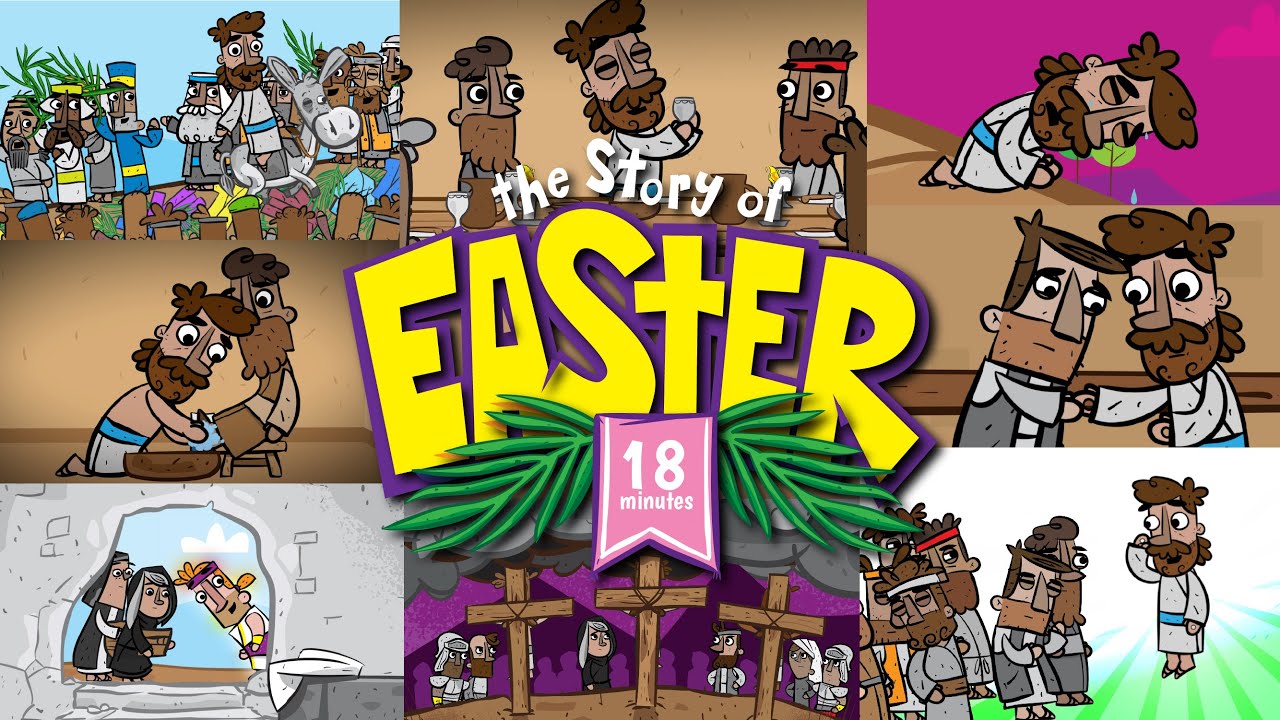
easter verses
Whether you are preparing a church service, writing a card, crafting a social media post, or simply seeking to reflect on the meaning of Easter, easter verses can guide, comfort, and inspire. This article brings together practical advice, examples, and context to help you choose, use, or write easter verses with confidence and care.
From the biblical accounts of the Resurrection to contemporary reflections on hope and renewal, easter verses remind us why Easter is central to Christian faith. They also help us communicate that hope to different audiences—family and friends, congregations, community groups, and readers online—in a way that feels sincere, respectful, and memorable.
What are easter verses?
In essence, easter verses are short passages—often drawn from the Bible, sometimes original lines or adapted quotes—that focus on the death and Resurrection of Jesus Christ, along with themes of redemption, new life, joy, and peace. People use easter verses in greetings, sermons, devotional reflections, newsletters, social captions, and event programmes during Holy Week and Eastertide.
Good easter verses do three things well: they point to the heart of the Easter story; they speak to readers where they are; and they use language that is both accessible and beautiful. When those elements align, easter verses can resonate deeply across ages and backgrounds.

How to choose easter verses
Choosing the right easter verses depends on your audience, the setting, and the purpose. Consider the factors below to select verses that genuinely connect.
1) Clarify your purpose
Are you writing for a church notice sheet, a family card, or a community event? Easter verses suitable for a sermon might be more explicitly theological, whereas a greeting card may call for a warm, encouraging tone and a shorter line.
2) Match the tone to the occasion
Some contexts suit jubilant verses—“He is risen!”—while others require gentler hope, especially where people are grieving or facing hardship. The best easter verses hold joy and compassion together, acknowledging reality while pointing to renewal.
3) Choose a translation (if quoting Scripture)
If you include a Bible quotation, decide on a translation that suits your audience. Many churches in the UK use translations such as the NIV, NRSV, ESV, or CSB. For children’s materials or public events, you might prefer slightly simpler language. Always cite the reference (e.g., Matthew 28:6) and, if appropriate, the translation.
4) Keep it concise
Short easter verses often work best in cards, captions, headings, and slides. Save longer passages for devotionals, readings, or study resources where you have space to give context.
5) Reflect diversity and inclusion
Easter is observed by many denominations and in many cultural contexts. If your audience is mixed or interfaith, choose easter verses that communicate the heart of Easter with kindness and clarity, avoiding jargon where possible.
Popular easter verses from the Bible
Below are widely loved passages that often serve as easter verses. Use them as-is (with citation and translation) or draw on them to inspire your own wording.
- Matthew 28:5–6 — “Do not be afraid… He is not here; he has risen, just as he said.”
- John 11:25–26 — “I am the resurrection and the life. The one who believes in me will live, even though they die.”
- 1 Corinthians 15:3–4 — Christ died for our sins, was buried, and was raised on the third day.
- 1 Peter 1:3 — We are given “new birth into a living hope through the resurrection of Jesus Christ from the dead.”
- Romans 6:9 — “Christ, being raised from the dead, will never die again; death no longer has dominion over him.”
- Isaiah 53:5 — “By his wounds we are healed.” (Often used around Good Friday)
- Psalm 118:24 — “This is the day the Lord has made; let us rejoice and be glad in it.”
- Luke 24:34 — “It is true! The Lord has risen…”
If you are curating easter verses for a service, reading a short psalm of praise alongside a Resurrection passage can provide a rich balance of proclamation and worship.
Writing your own easter verses
Original easter verses can be beautiful in cards, newsletters, and digital posts. You do not need to be a poet; focus on clarity, sincerity, and one vivid image or idea.
Principles for writing original lines
- Start with a single theme: hope after sorrow, light after darkness, forgiveness, or new beginnings.
- Use plain language and strong nouns/verbs. Avoid clichés unless you intentionally refresh them.
- Keep it short. One or two sentences are often enough.
- Test the rhythm by reading aloud; smooth, natural lines are easier to remember.
Short templates you can adapt
- “Because He lives, hope rises in every broken place. Happy Easter!”
- “From the empty tomb springs a living hope—peace be with you this Easter.”
- “In the dark we waited; in the dawn we rejoiced. Christ is risen.”
- “New mercy, new life, new joy: may the resurrection renew your heart this Easter.”
- “Love has the last word. Wishing you a blessed Easter.”
To keep your original easter verses grounded, pair them with a short biblical reference (e.g., “John 11:25–26”). This anchors your words in the story that Easter celebrates.
Using easter verses in church and community
Churches and community groups often integrate easter verses across printed materials and events. Consider these uses:
- Orders of service and slides for Maundy Thursday, Good Friday, and Easter Sunday.
- Church newsletters, posters, and invitations to Easter services.
- Family activities: colouring sheets or crafts that include a short verse.
- Community cards or letters to those who are housebound, with a gentle verse of hope.
- Social media countdowns in Holy Week, sharing a daily easter verse and a brief reflection.
For interdenominational or interfaith settings, select easter verses that emphasise universal themes—hope, new life, peace—without assuming detailed background knowledge. If you would like a helpful overview of how different traditions understand Easter, see this accessible comparison of Christian branches and practices: Orthodox vs Catholic: key differences and shared beliefs. While not a guide to wording, it can inform how you frame easter verses for broader audiences.
Common mistakes when using easter verses
Even well-intentioned messages can miss the mark. Watch out for these issues and adjust accordingly.
- Using complex wording without context: If you quote a longer or more theological passage, add a one-line explanation.
- Overloading a design with text: For posters and slides, keep easter verses short and readable.
- Neglecting Good Friday: The joy of Easter Sunday shines even brighter when we acknowledge the reality of Good Friday’s sorrow and self-giving love.
- Ignoring your audience: Easter school assemblies or community events often need gentler language than Sunday sermons.
- Over-optimising keywords online: If you share easter verses on a website, write for people first. Let search engines follow rather than drive the tone.
Context matters: history, culture, and questions people ask
When you share easter verses publicly, you may encounter common questions about Easter’s origins and customs. If you want to address the background without losing focus on the good news at the heart of Easter, this overview can help: Is Easter pagan? historical perspectives and Christian meaning. It summarises debates and clarifies how Christians understand the Resurrection at the centre of Easter.
In mixed or interfaith settings, you might also be asked about how different faiths relate to Easter. A concise resource answering a frequent query is here: Do Jewish people celebrate Easter?. Keeping these questions in mind can help you present easter verses with sensitivity and respect.
Design, formatting, and presentation tips
The way you present easter verses affects how people receive them. A few simple choices go a long way:
- Font: Choose a clean, readable font; reserve decorative typefaces for headings.
- Contrast: Use dark text on a light background (or vice versa) for accessibility.
- White space: Give the verse breathing room; avoid cluttered designs.
- Imagery: Pair easter verses with imagery of dawn light, flowers, or crosses—simple symbols that support the message without overwhelming it.
- Citations: Include the reference subtly under the verse to give proper attribution.
Examples of easter verses for different audiences
For greeting cards (family and friends)
- “May the hope of the risen Christ bring you peace and joy this Easter.”
- “New life, new joy, new hope—wishing you a blessed Easter.”
- “He is risen—may His love renew your heart today.”
For those who are grieving or struggling
- “In quiet ways, may the risen Lord draw near with comfort and strength.”
- “Light shines in the darkness; may Easter’s hope hold you gently.”
- “Praying that the peace of Christ brings rest to your heart this Easter.”
For church posters and digital banners
- “Christ is risen. Alleluia!” (Matthew 28)
- “A living hope through the resurrection of Jesus Christ.” (1 Peter 1:3)
- “This is the day the Lord has made; let us rejoice and be glad in it.” (Psalm 118:24)
For children’s resources
- “Jesus is alive—happy Easter!”
- “New life, bright hope—Jesus lives!”
- “God’s love is stronger than the dark.”
For social media captions
- “From sorrow to song—He is risen.”
- “Because He lives, we have hope. #Easter #Resurrection”
- “Risen. Reigning. Renewing.”
Linking Old Testament hope to Easter
Easter is not an isolated event; Christians read it as the fulfilment of God’s promises. Some Old Testament passages, though not explicitly Easter narratives, can accompany easter verses beautifully. For example, Zephaniah 3:17 speaks of God rejoicing over His people with singing—a tender image of divine love that pairs well with Easter’s comfort. For reflection on that passage, see this accessible overview: Zephaniah 3:17 explained.
When and where to share easter verses
Plan a simple rhythm to share easter verses throughout Holy Week and beyond:
- Palm Sunday: verses of praise and anticipation (e.g., Psalm 118).
- Maundy Thursday: lines about service and love (John 13:34–35).
- Good Friday: verses of sacrifice and forgiveness (Isaiah 53; Luke 23:34).
- Holy Saturday: words of waiting and trust (Psalm 27:14).
- Easter Sunday: Resurrection proclamation (Matthew 28; 1 Corinthians 15).
- Eastertide: ongoing joy and mission (1 Peter 1; Acts 2).
This progression allows your readers or congregation to journey through the story, with easter verses fitting each moment. It can be especially helpful for daily emails or social media posts.
Recommended external resources
- Church of England: Holy Week and Easter worship resources — prayers, readings, and guidance for services.
- Bible Gateway: Resurrection passages (NIV quick search) — explore and compare translations for easter verses.
- Wikipedia: Easter overview — historical and cultural background on Easter observances.
- Wikipedia: Resurrection of Jesus — summary of the biblical accounts and interpretations.
Frequently asked questions about easter verses
How long should easter verses be for a card or caption?
For cards and captions, aim for one or two sentences, or a short Bible line plus a warm greeting. Brevity improves impact and readability, especially on mobile screens or small printed cards.
Can I adapt a Bible verse to modernise the language?
It is better to choose a modern translation than to paraphrase Scripture without noting it. If you do adapt wording, clarify that it is a paraphrase and still include the reference. Alternatively, pair a modern translation with a brief explanatory line in your own words.
Which Bible translations work best for easter verses in the UK?
Common choices include the NIV, NRSV, ESV, and CSB. For public materials and children’s resources, a translation with clear, contemporary language is usually best. Always cite the translation if you quote directly.
How can I use easter verses with a mixed or interfaith audience?
Choose lines that emphasise hope, new life, peace, and love—universal themes that still reflect the heart of Easter. Avoid assuming detailed knowledge, and consider adding a one-line explanation to provide context.
What if my audience is grieving—should I change the tone of easter verses?
Yes. Acknowledge sorrow and emphasise the gentle comfort of the Resurrection. Softer words, shorter lines, and references to peace and presence (e.g., John 14:27) are often more appropriate. Avoid overly triumphant language without sensitivity to people’s circumstances.
Is it acceptable to combine Old and New Testament passages in easter verses?
Absolutely. Many churches and writers pair Old Testament promises with New Testament fulfilment to show the unity of Scripture. Just keep the pairings short and clearly attributed to avoid confusion.
Conclusion on easter verses
Choosing or writing easter verses is ultimately about serving your readers: helping them encounter hope, light, and the good news of the Resurrection. By matching tone to audience, prioritising clarity, and grounding words in Scripture or thoughtful reflection, you can offer messages that genuinely comfort and inspire.
From church services to family cards, from school assemblies to social media, easter verses can bring the Easter story closer to everyday life. Keep them concise, compassionate, and centred on hope, and they will find a home in hearts as well as on pages.
As you plan for Holy Week and Eastertide, consider creating a small selection of easter verses that suit different moments—joyful proclamation, quiet comfort, and gentle invitation. In doing so, you will help others engage the season not just as a date on the calendar, but as a living hope.
