Easter scripture: essential guide to 12 key readings and themes

easter scripture: meaning, key passages, and how to read it today
Easter scripture is the collection of Bible passages that Christians read, sing, and reflect on during Holy Week and Easter. Centred on the death and resurrection of Jesus, this body of texts reveals how the story of salvation moves from promise to fulfilment, from sorrow to joy. For many readers, easter scripture is both an ancient tradition and a living source of hope: it grounds the church’s worship, shapes personal devotion, and offers a compelling vision of new life.
In this guide, we explain what easter scripture is, why it matters, and how you can read it with clarity and confidence. We’ll highlight the key Old and New Testament passages, show how churches use these readings across Holy Week, suggest practical ways to reflect on them, and address common mistakes. Whether you are returning to the Bible after some time away or opening these pages for the first time, easter scripture can become a thoughtful companion through the season.
What do we mean by easter scripture?
When Christians talk about easter scripture, they usually mean the Bible passages associated with the events from Palm Sunday to Easter Day and the weeks that follow. These include the Gospel narratives of Jesus’ entry into Jerusalem, the Last Supper, his arrest and trial, the crucifixion, burial, and resurrection, as well as prophetic and poetic texts from the Hebrew Bible that Christians see fulfilled in Christ.
In church services, these readings are often arranged by a lectionary (a calendar of readings), so congregations across the world hear the same texts at similar times. In personal study, people might read shorter selections daily or follow a plan that spans the whole of Holy Week. At heart, easter scripture answers three big questions: Who is Jesus? What happened at the cross and the empty tomb? And what does this mean for us now?

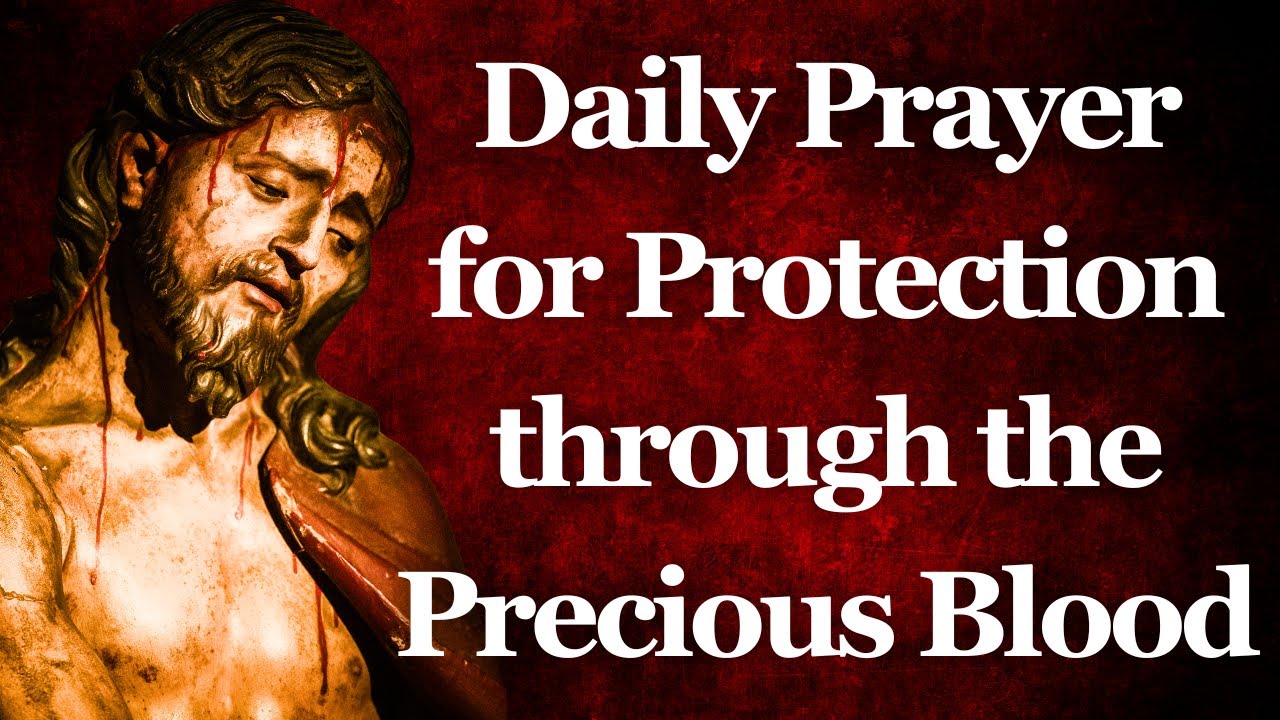
Core biblical themes of easter scripture
Several themes run like threads through easter scripture, binding individual passages into a coherent whole.
- Promise and fulfilment: The New Testament often presents Jesus’ passion and resurrection as the fulfilment of earlier promises. Prophetic texts such as Isaiah 52–53 and Psalms like Psalm 22 help readers see how God’s plan unfolds.
- Passover and liberation: The Exodus story, especially the Passover (Exodus 12), forms a backdrop to the Last Supper. Easter reframes freedom: not merely release from physical bondage, but liberation from sin and death.
- Atonement and reconciliation: The cross is described as the place where Jesus bears our sins and restores us to God. Different biblical images—sacrifice, victory, ransom—converge to show the depth of God’s love.
- Resurrection and new creation: The empty tomb is not simply a surprise ending; it is the beginning of new creation. Easter declares that death is defeated and life has the last word.
- Witness and mission: Easter appearances send disciples out with news of hope. The church’s mission flows from encountering the risen Christ.
Reading easter scripture with these themes in mind can make individual chapters clearer and help you see how the Bible tells one great story.
Key passages: an annotated guide to easter scripture
Below is a concise guide to some of the most widely read passages in easter scripture. You can dip in, or follow them in order through Holy Week and beyond.
Exodus 12:1–14 — The first Passover
Set centuries before Jesus, the Passover marks Israel’s liberation from slavery in Egypt. Its imagery—lamb, blood, deliverance—reappears in the Gospels and in Christian reflection on the cross. Understanding the Passover helps explain why the timing of Jesus’ Last Supper matters so much in easter scripture.
Psalm 22 — Lament and trust
“My God, my God, why have you forsaken me?” This Psalm, echoed by Jesus on the cross, moves from raw lament to renewed trust. It shows that honest prayer includes pain and hope, and it deepens our reading of Good Friday.
Isaiah 52:13–53:12 — The suffering servant
In astonishing poetry, Isaiah portrays a servant who bears the sins of many and is vindicated by God. Early Christians drew heavily on these words to interpret the cross and resurrection, making this passage central to easter scripture.
Zechariah 9:9 — The humble king
“See, your king comes to you, gentle and riding on a donkey.” Matthew and John cite this verse when describing Jesus’ entry into Jerusalem on Palm Sunday, signalling the arrival of a king whose power looks like humility.
Matthew 26–28 — Betrayal, cross, and empty tomb
Matthew’s account highlights fulfilment of prophecy and the Great Commission. Chapter 28 ends with the risen Christ sending disciples to all nations, a cornerstone of Christian mission grounded in easter scripture.
Mark 14–16 — The stark urgency of the passion
Mark tells the story with vivid immediacy. The shorter ending at 16:8 (in some manuscripts) leaves readers shocked and challenged, capturing the awe of resurrection.
Luke 22–24 — Meals, mercy, and opened Scriptures
Luke emphasises table fellowship and forgiveness. On the Emmaus road, Jesus explains “what was said in all the Scriptures concerning himself” and is recognised in the breaking of bread—an iconic moment for easter scripture readers.
John 18–21 — The cross as exaltation
John presents the crucifixion as Jesus’ glorification. In chapter 20, the risen Christ breathes peace on the disciples; in chapter 21, he restores Peter, showing resurrection as both healing and commissioning.
1 Corinthians 15 — The heart of resurrection teaching
Paul’s fullest explanation of resurrection insists that if Christ has not been raised, Christian faith is empty. He describes the risen body and the victory over death—foundational for any reading of easter scripture.
Romans 6:1–11 — Dying and rising with Christ
Paul connects baptism to Jesus’ death and resurrection: believers share his story, moving from old life to new. Easter is not only something that happened; it is a life we enter.
1 Peter 1:3–9 — Living hope
Here Easter becomes a living hope that sustains believers through trials, reminding us that faith and joy can coexist with hardship.
How churches use easter scripture through Holy Week
Across denominations, easter scripture structures the journey from Palm Sunday to Easter Day. While practices vary, many churches follow a similar pattern, so you can anticipate what you’ll hear.
Palm Sunday
Readings often include Jesus’ entry into Jerusalem (e.g., Matthew 21:1–11) and portions of the passion narrative. The day holds celebration and foreboding together.
Maundy Thursday
Churches remember the Last Supper and Jesus’ command to love (John 13). Exodus 12 is frequently read to connect the meal with Passover, a major thread in easter scripture.
Good Friday
The passion according to John (chapters 18–19) is common, alongside Isaiah 52–53 and Psalms of lament. Silence and solemnity give space for reflection on the cross.
Holy Saturday and the Easter Vigil
Many traditions keep a night service with a sweep of readings tracing the story of salvation—from creation to resurrection. It is a powerful immersion in easter scripture as one unified narrative.
Easter Sunday
Gospel accounts of the empty tomb (Matthew 28; John 20; Luke 24) and resurrection hymns such as Psalm 118 express joy. Preaching often explores what resurrection means for daily life.
Practical ways to read and reflect on easter scripture
Easter is rich; it can also feel overwhelming. These simple approaches help you engage easter scripture with clarity and heart.
- Follow a short reading plan: Take one Gospel’s passion narrative over a week (e.g., Luke 22–24), adding a Psalm and a prophecy each day. Consistency beats intensity.
- Read slowly, twice: On the first read, note what stands out. On the second, ask what the passage says about God’s character and your response.
- Use simple questions: What does the passage teach about Jesus? How do people react to him? Where is hope? These questions fit all easter scripture passages.
- Pray with Scripture: Turn a verse into a short prayer. For Psalm 22, you might pray, “God, meet me in my fear and lead me to trust.”
- Discuss with others: A conversation can clarify what you miss alone. Share what puzzled you and what encouraged you.
- Keep a brief journal: A few lines each day help you remember insights and notice progress.
Common mistakes to avoid when reading easter scripture
- Rushing to the end: The joy of Easter is brighter if we do not skip Good Friday. Sit with the sorrow before the celebration.
- Flattening the four Gospels: Each Gospel has a distinct voice. Let Matthew’s fulfilment, Mark’s urgency, Luke’s compassion, and John’s glory all speak.
- Ignoring the Old Testament: Easter fulfils ancient promises. Without Exodus, Psalms, and the Prophets, easter scripture can feel unmoored.
- Reading only once a year: The resurrection shapes all of Christian life. Revisit these passages beyond the Easter season.
- Overcomplicating what is simple: Academic tools can help, but a plain reading with an open heart is powerful.
Across traditions: shared ground and gentle differences
Christians from Anglican, Catholic, Orthodox, Protestant Free Church, and many other traditions all centre their worship on easter scripture, even as their liturgies differ. For example, the Orthodox tradition emphasises the victory of Christ over death in richly poetic services, while many Western churches use a cycle of readings that deliberately sweep through the whole biblical story at the Easter Vigil. The differences are often in emphasis and style; the core texts and themes remain strikingly shared.
Questions people ask about history and practice
Alongside reading easter scripture, many people wonder about the origins and customs surrounding the season. Two common questions are whether Easter has pagan roots and how it relates to Jewish tradition. For a balanced look at the first, see this contextual article: is Easter pagan?. For a clear overview of the second, this explainer addresses the distinctives between Christian Easter and Jewish observance: do Jewish people celebrate Easter?. Both pieces help situate easter scripture within a wider historical and cultural frame, without distracting from the biblical heart of the season.
Recommended external resources
- Encyclopaedia Britannica overview of Easter for historical background and worldwide practices.
- Church of England resources for Lent, Holy Week and Easter to see how readings shape worship in a UK context.
- 1 Corinthians 15 on Bible Gateway for a key resurrection chapter in an accessible translation.
- Vatican resource on the Easter Triduum for insight into Maundy Thursday to Easter Sunday in the Catholic tradition.
Related articles
Frequently asked questions about easter scripture
Which Bible passages are usually read on Easter Sunday?
Most churches read a resurrection narrative from the Gospels, such as Matthew 28, Mark 16, Luke 24, or John 20. Many also include a Psalm of praise (often Psalm 118) and a New Testament reading like 1 Corinthians 15. Your local church’s pattern may vary, but these are the heart of easter scripture for the day.
Is the word “Easter” in the Bible?
The English word “Easter” is not found in most modern translations. The New Testament speaks of Passover and of Jesus’ death and resurrection. Over time, Christians used “Easter” in English to refer to the celebration of the resurrection. The content of easter scripture is thoroughly biblical, even if the term itself is historical and linguistic.
Which translation is best for reading easter scripture?
The best translation is the one you will actually read. Many find a clear modern version helpful, such as the NRSV, NIV, or CSB. If you enjoy listening, consider an audio Bible. For study, you might compare two translations to notice nuances in easter scripture without getting stuck on technicalities.
How does Passover relate to Easter?
Jesus celebrated the Passover with his disciples at the Last Supper. Christians see the cross and resurrection as the fulfilment of the liberation that Passover commemorates: rescue from slavery becomes rescue from sin and death. This is why Exodus 12 is often read alongside the passion narratives in easter scripture.
What’s the simplest reading plan for Holy Week?
Choose one Gospel—Luke is a good start—and read chapters 22–24 over three or four sittings. Add Psalm 22 on Good Friday and 1 Corinthians 15 on Easter Day. This small plan gives you a coherent journey through easter scripture without overload.
How can I explain the resurrection to children?
Use simple language and stories from the Gospels: “Jesus was dead, and God made him alive again. Now he is with us always.” Picture books and short readings from Luke 24 or John 20 can help. Emphasise that Easter shows God’s love is stronger than anything, even death.
Do I have to understand everything to benefit from reading?
No. The Bible is rich; understanding grows with time. Focus first on the main story: who Jesus is, what he did, and what it means. Even one clear insight from easter scripture can encourage and guide you.
Conclusion on easter scripture
Easter is the centre of the Christian year, and easter scripture is its living voice. From the promises of the prophets to the astonishment of the empty tomb, these passages reveal the depths of God’s love and the breadth of his hope for the world. They trace a path from lament to praise, from cross to new creation.
If you are new to these texts, begin simply: choose one Gospel’s passion narrative, add a Psalm and a reading from Paul, and let the story breathe. If you have read them often, ask fresh questions and notice new details. In every case, easter scripture offers more than information; it invites transformation.
As you journey through Holy Week and beyond, return to these readings not only to remember what happened, but to encounter the risen Christ who still speaks. May easter scripture guide your mind, steady your heart, and renew your hope.
