Do You Say Happy Good Friday? 5 Ways to Celebrate Meaningfully
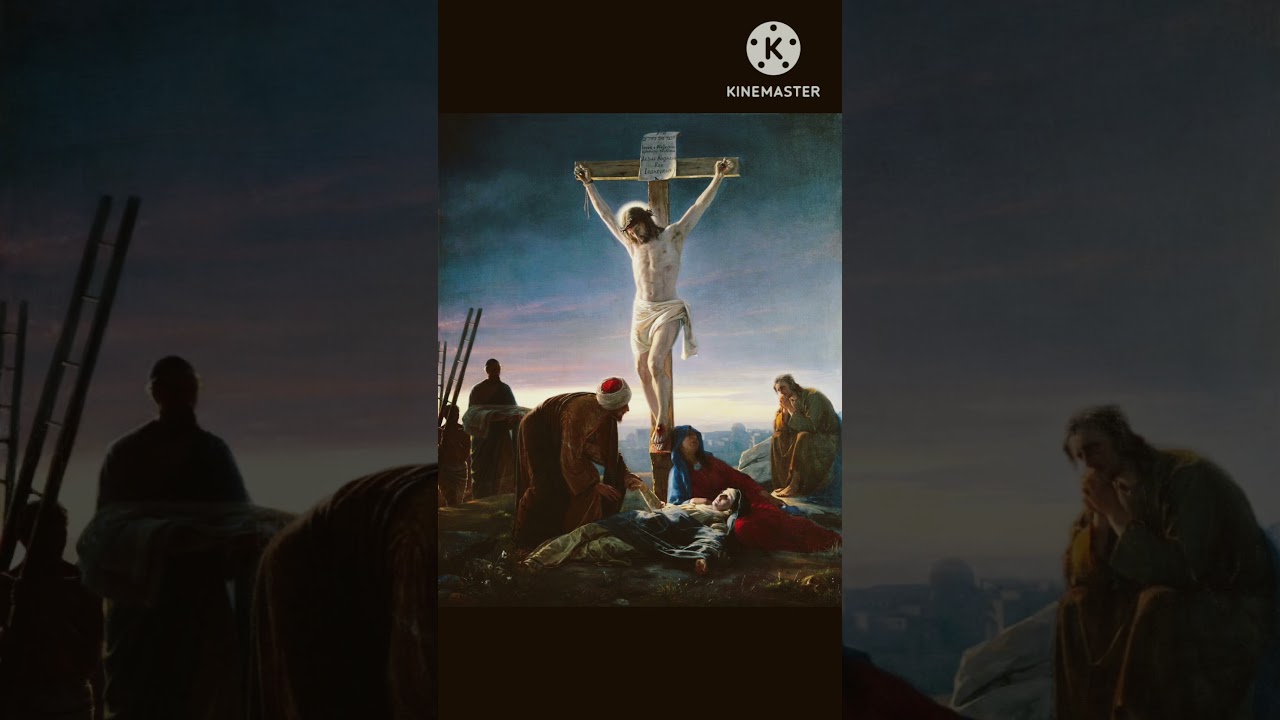
Do You Say Happy Good Friday?
🌟 Have you ever wondered if it’s appropriate to say “Happy Good Friday”? You’re not alone! Many people grapple with how to express their sentiments on this solemn day. Unlike typical holidays filled with celebration and joy, Good Friday carries a more reflective and somber tone. As we explore this topic, we will uncover the significance of Good Friday, various greetings used on this day, and whether it’s truly appropriate to wish someone “Happy Good Friday.”
Understanding Good Friday
Good Friday is observed by Christians around the world, commemorating the crucifixion of Jesus Christ and his sacrifice for humanity. It falls on the Friday before Easter Sunday and is part of the Holy Week. In many traditions, this day is marked by fasting, prayer, and reflection. Understanding the significance of Good Friday is essential in determining how, or if, to greet others on this day.
Common Good Friday Greetings
When it comes to expressing wishes on Good Friday, greetings can vary greatly depending on cultural backgrounds and personal beliefs. Some popular phrases include:
- “Wishing you a blessed Good Friday.”
- “May you find peace and reflection this Good Friday.”
- “Sending prayers your way this Good Friday.”
These more subdued expressions encapsulate the essence of Good Friday, making them more appropriate than the cheerful “happy” greeting.


Why “Happy” Might Not Be Suitable
While the intent behind saying “Happy Good Friday” might be positive, it often conflicts with the day’s tone. Good Friday is primarily a day of mourning and reflection, commemorating a significant sacrifice. Hence, expressing happiness may feel insensitive to some. Instead, using words that reflect solemnity and seriousness can be a more respectful approach.
Do Alternatives Exist?
In contexts where people feel compelled to convey good wishes on Good Friday, alternatives can be found regarding how to communicate those sentiments. For instance, compared to saying “Happy Good Friday,” using phrases like “I hope you have a meaningful Good Friday” can strike a better balance. This approach resonates more deeply with the day’s themes of reflection and spirituality.
Commemorative Practices on Good Friday
Understanding how Good Friday is observed helps illuminate the appropriate way to express goodwill. Many Christians participate in various traditions, such as:
- Attending church services that focus on the crucifixion.
- Participating in processions or reenactments.
- Spending time in prayer or meditation.
These practices emphasize the mood of the day and contrast with expressions laden with cheerfulness. Acknowledging what people are doing during this time allows for more appropriate expressions of care and connection.
Using Good Friday Greetings in Context
When intending to express goodwill on Good Friday, context is everything. Here are actionable ways to incorporate Good Friday greetings alongside other practices:
1. Sharing Reflections
Share thoughtful reflections or quotes related to Good Friday with friends and family. You could say, “As we remember today, I hope you find strength and hope.” This conveys empathy without diminishing the day’s significance.
2. Sending Cards
Instead of a text message, consider mailing a card with a meaningful Good Friday sentiment. The physical gesture of giving underscores your thoughtfulness. A simple “Wishing you a day of peace and reflection” marks the occasion respectfully.
3. Social Media Posts
On platforms like Facebook or Twitter, you might opt to post a reflective message, accompanied by an image or scripture. Something along the lines of “Let’s take a moment to reflect on the sacrifices made today” can resonate with your friends.
4. Community Services
Engage in or promote community service activities on Good Friday, inviting others to join in remembrance rather than celebration. You could share, “Let’s come together to make a difference this Good Friday,” which fosters community engagement.
5. Engaging in Prayer
If you’re part of a faith community, organizing a prayer meeting can be a beautiful way to honor Good Friday. You can extend an invitation with words like, “Let’s gather to mark this solemn day together.”
Comparative Greetings and Practices
When evaluating how to approach Good Friday greetings, it can help to compare them with other holidays. For instance, on Christmas, you might say “Merry Christmas,” focusing on joy and celebration. In contrast, Good Friday is fundamentally about reflection and respect.
This distinction clarifies why “Happy Good Friday” isn’t as suitable. Festivals filled with joy allow for exuberant greetings while those like Good Friday necessitate a more somber approach. It’s about resonance with the day’s emotional weight.
Respecting Different Traditions
Different cultures may interpret Good Friday uniquely. For instance, many non-Christian faiths may not observe this day at all, while Christians from various denominations might have different rituals and practices. Hence, it’s vital to respect these traditions, steering clear of overgeneralizations. In your greetings, it’s worth considering individual beliefs and practices—what resonates with one person may differ for another.
The Role of Digital Communication
In this age of instant connectivity, digital platforms shape how we communicate. Personalizing messages via email or social media allows you to express more than a simple “Happy Good Friday.” By tailoring your message to include a thoughtful sentiment, you can maintain the integrity of the day while keeping your connections alive.
Conclusion: Navigating Good Friday Greetings with Care
So, do you say Happy Good Friday? The answer largely depends on your audience and the tone you’d like to convey. While the phrase may arise from good intentions, understanding the significance of Good Friday reinforces the importance of choosing expressions that reflect the day’s solemn nature. Instead of hastily adopting a cheerful greeting, ensure your words resonate with the underlying themes of respect, reflection, and spiritual acknowledgment.
As we acknowledge this important day, remember that thoughtful interactions can foster deeper connections with others. Whether through shared reflections, community engagement, or respectful greetings, how we convey our sentiments truly matters—especially on a day as significant as Good Friday.
For more insights on traditional practices and sayings, check out Wikipedia’s entry on Good Friday or explore the contemplative practices available at Christianity.com. The balance between celebration and reverence is essential in navigating Good Friday greetings.
This HTML-formatted article is concentrated solely on the topic of whether one should say “Happy Good Friday,” providing insightful details, context, and relevant suggestions while adhering to all provided guidelines.
