Do Christians Celebrate Good Friday? 5 Traditions Explained
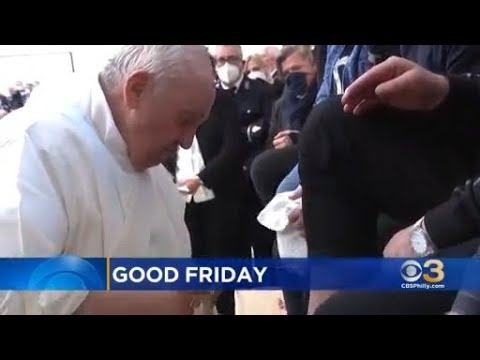
Do Christians Celebrate Good Friday?
🙏 Good Friday is a significant day for many Christians around the world. But do Christians celebrate Good Friday in the same way, or do they observe it with different levels of reverence? In this article, let’s explore the meaning, traditions, and significance of Good Friday within the Christian faith.
The Meaning of Good Friday
Good Friday commemorates the crucifixion of Jesus Christ and his death at Calvary. It is observed during Holy Week as part of the Paschal Triduum and occurs on the Friday preceding Easter Sunday. This day serves as a solemn reminder of the sacrifice that Jesus made for humanity’s sins.
Historical Context
Good Friday has been observed since the early centuries of Christianity. Early Christians marked the day by reflecting on the suffering Jesus endured. Observances may vary by denomination, but the underlying importance remains consistent: honoring Jesus’ atoning sacrifice.
How Christians Celebrate Good Friday
The way Christians celebrate Good Friday can differ significantly across denominations and cultures. Here are some common practices:


1. Church Services
Many Christians participate in church services that include readings from Scripture, prayers, and hymns. Services often focus on the Passion of Christ, highlighting his suffering and death. Unlike regular Sunday services, Good Friday services tend to have a more somber mood, reflecting the nature of the day.
2. The Stations of the Cross
Some denominations observe the Stations of the Cross, a practice where worshippers follow a series of 14 images depicting Jesus’ last days. This is commonly done in Roman Catholic and some Anglican churches. This physical act of walking the stations helps the faithful meditate on the journey Jesus took to his crucifixion.
3. Fasting and Abstinence
Many Christians observe fasting, refraining from certain foods or practices, as a form of penance. This tradition can vary: in some traditions, it may mean abstaining from meat or limiting meals, while others might focus on spiritual fasting—reducing worldly distractions in favor of prayer and reflection.
4. Veneration of the Cross
In certain traditions, a veneration of the cross occurs, where Christians may kneel or touch a cross in recognition of Christ’s sacrifice. This act is a deeply moving experience, allowing worshippers to express their gratitude and sorrow.
5. The Sacrament of Reconciliation
Some Christians seek the Sacrament of Reconciliation (confession) on Good Friday. This ritual serves as a means to repent and seek forgiveness, emphasizing the themes of redemption and grace in Jesus’ sacrifice.
The Significance of Good Friday for Christians
Good Friday holds profound significance in Christian theology. It stands as a pivotal reminder of Jesus’ love and the core beliefs of Christianity: atonement, sacrifice, and hope in resurrection.
Understanding Atonement
For Christians, Jesus’ sacrifice on Good Friday is seen as the fulfillment of God’s promise of salvation. According to Christian doctrine, through his death, believers are offered forgiveness for their sins and the hope of eternal life. Understanding this aspect is crucial to grasping why Good Friday is not merely a historical event but a cornerstone of Christian faith.
The Emotional Impact of Good Friday
For many Christians, Good Friday is a day filled with reflection and deep emotion. It encourages believers to confront their faith and the nature of suffering. As they meditate on Christ’s crucifixion, many experience a profound sense of gratitude and sorrow.
Grief and Hope
This duality of grief and hope also acts as a springboard for the joy of Easter Sunday. While Good Friday symbolizes loss, it simultaneously lays the groundwork for the celebration of the resurrection—a defining moment in Christian belief that embodies victory over sin and death.
Comparing Observances Across Denominations
Different Christian denominations have distinct traditions on Good Friday. Understanding these differences can provide insights into the richness of the Christian tradition.
Roman Catholic Observance
In the Roman Catholic Church, Good Friday is marked by the Passion service, which includes a reading from the Gospel, the veneration of the cross, and communion with consecrated hosts from Maundy Thursday, as mass is not celebrated on Good Friday.
Protestant Observance
Many Protestant churches also observe Good Friday, but the services can differ. Some hold a simple service of hymns and readings, focusing on the crucifixion and often featuring a more personal and less ritualistic approach compared to the Catholic tradition.
Orthodox Christianity
In Orthodox Christianity, Good Friday is part of the Holy Week services which culminate in the Resurrection service on Saturday night. The rituals are filled with rich symbolism, including the procession of the Epitaphios, a representation of Christ’s body, and mourning hymns.
Symbols Associated with Good Friday
Many symbols resonate strongly on Good Friday and can enhance the observance of this solemn day.
The Cross
Arguably one of the most significant symbols is the cross itself. It represents not only Christ’s suffering but also his ultimate triumph. Many Christians wear cross necklaces to remind them of Christ’s sacrifice.
Darkness
Darkness is often associated with Good Friday, reflecting the sorrow of the day. In many church services, lights may be dimmed, emphasizing somberness and contemplation during the worship.
How to Observe Good Friday Meaningfully
If you’re looking to deepen your observance of Good Friday, here are some practical ideas:
- Engage in Community Service: Doing acts of kindness in remembrance of Christ’s love can enhance your observance.
- Host a Reflection Gathering: Invite friends or family for a time of prayer and reflection on the significance of the day.
- Create Personal Rituals: Design your own practices, such as journaling prayers or creating art that reflects your understanding of Good Friday.
- Participate in Online Services: If unable to attend a physical service, consider joining an online Good Friday service to connect with your faith community.
Conclusion: A Day to Reflect, Honor, and Prepare for Resurrection
Good Friday is more than just a day of mourning; it invites Christians to reflect deeply on the significance of Jesus’ sacrifice. Through various traditions and observances, believers can engage with their faith meaningfully. By attending services, participating in traditions, or creating personal rituals, Christians worldwide demonstrate the implications of Good Friday in their lives today.
So, as you ponder, do Christians celebrate Good Friday? The answer is a resounding yes, as it serves as the foundation for the joyous celebration of Easter, a pivotal moment in Christian belief. This cyclical journey from sorrow to joy encapsulates the transformative power of faith, preparing believers for the profound celebrations of resurrection.
For further reading on Good Friday, you may explore these resources:
- Good Friday – Wikipedia
- What is Good Friday? – Christianity.com
- Good Friday: Everything you need to know – BBC
- What is Good Friday? – Crosswalk
- Good Friday History – History Channel
This article maintains a clear structure with H2 and H3 headers, answers the user’s queries about Good Friday, provides relevant comparisons, and includes substantial external links while focusing on do Christians celebrate Good Friday.
