Dirty water dog recipe: quick, easy guide with 5 key steps
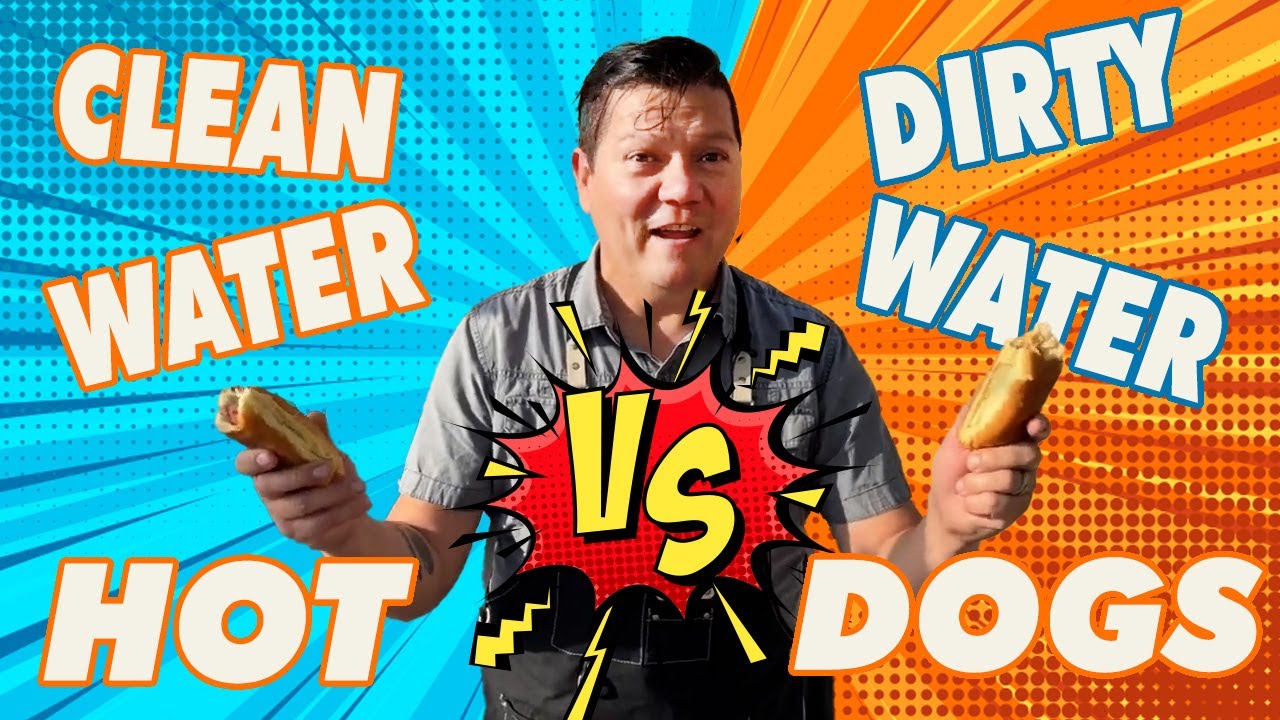
Dirty water dog recipe: the iconic New York street‑cart hot dog at home
If you have ever wondered how to make that unmistakable New York pushcart hot dog in your own kitchen, this dirty water dog recipe is for you. It captures the gently spiced, savoury “flavoured water” that street vendors use to heat and hold their sausages, producing a juicy bite and the nostalgic aroma that turns a stroll into a snack.
In this guide, you will learn what a dirty water dog recipe actually involves, how to choose the right sausages and buns, and the simple method that delivers reliable results. We will also cover toppings, food safety, common pitfalls to avoid, and smart ways to scale for parties so your hot dogs taste fresh from the cart.
What is a dirty water dog recipe?
Despite the name, there is nothing unclean about a proper dirty water dog recipe. The “dirty” refers to a seasoned water bath: a simmering pot of lightly spiced, amber‑tinted liquid in which hot dogs are warmed and held for service. The approach keeps the sausages plump and juicy while infusing subtle flavour from ingredients such as onion, garlic, celery salt, pickling spices, and a touch of vinegar or beer.
At its heart, this style is about consistency and speed: the cart is the kitchen, and the water bath is both the cooker and the holding pan. Recreating the effect at home is straightforward, and a well‑tested dirty water dog recipe is perfect for casual gatherings, sports nights, and anyone craving a taste of New York.


Key principles behind the flavour
A successful dirty water dog recipe balances three ideas: gentle heat, aromatic but restrained seasoning, and the right hot dog style.
- Gentle heat: Hot dogs are already cooked when you buy them; you are reheating, not boiling. Keep the water at a steamy, sub‑simmer range (about 75–82°C). Boiling can split casings and leach flavour.
- Aromatic water: Add sliced onion, garlic, a pinch of sugar, and spices like celery seed or allspice. The goal is a light, savoury perfume rather than a heavy broth.
- Classic franks: Natural‑casing beef or beef‑and‑pork hot dogs give the classic “snap”. Choose a reputable brand with a spice blend you like; the water enhances, not hides, character.
Ingredients and equipment for authentic results
Hot dogs
- 8–12 natural‑casing hot dogs (beef or beef‑pork blend), standard size
The aromatic “dirty water”
- 1.5 litres water
- 1 small onion, thinly sliced
- 2 garlic cloves, lightly crushed
- 1 tablespoon white vinegar (or apple cider vinegar)
- 1 teaspoon sugar
- 1 teaspoon celery salt (or 1/2 teaspoon celery seed + 1/2 teaspoon salt)
- 1/2 teaspoon ground black pepper
- 1/2 teaspoon paprika (sweet or smoked, optional)
- 1/2 teaspoon mustard powder (optional)
- 1 bay leaf
- 1 teaspoon pickling spice or a pinch of allspice (optional but classic)
- Optional: 120 ml lager or light beer for depth (reduce water slightly)
Buns and toppings
- 8–12 soft hot dog buns
- Yellow mustard, sauerkraut, and a New York–style sweet‑tangy onion topping
- Optional: ketchup, relish, chopped white onion, pickled jalapeños
Equipment
- Medium stockpot or Dutch oven with lid
- Instant‑read thermometer (for water and holding temperature)
- Tongs, slotted spoon, and a small steamer insert or colander (for buns)
- Insulated container or slow cooker (for serving large groups)
Step‑by‑step dirty water dog recipe
1) Build the flavour bath
- Add water to the pot. Stir in vinegar, sugar, celery salt, pepper, paprika, mustard powder, and bay leaf. Add the sliced onion, garlic, and pickling spice or allspice.
- Bring just to a simmer over medium heat, then reduce to low. You want visible steam and a few tiny bubbles, not a rolling boil.
- Taste the liquid. It should be lightly salty, gently tangy, and aromatic. Adjust with a pinch more salt, a few drops of vinegar, or sugar to round the edges.
2) Heat the hot dogs
- Slide the hot dogs into the seasoned water. Cook 5–8 minutes until heated through, keeping the water below a boil. Natural casings will tighten; do not prick them.
- Optional: For a slight char, sear 30–60 seconds in a hot pan before returning to the water to hold. This hybrid step adds deeper flavour while keeping the juicy texture the dirty water dog recipe is known for.
- Hold the hot dogs at 75–82°C for up to an hour. Top up the pot with hot water as needed to keep them submerged and prevent over‑concentration.
3) Warm the buns
- Place a steamer insert or small colander over the pot, away from the water. Cover for 20–30 seconds to steam each bun until soft. Alternatively, wrap buns in foil and warm in a low oven.
- For those who prefer a slight toast, briefly griddle the cut sides in a dry pan and then steam for 5–10 seconds to regain softness.
Classic toppings and easy variations
The traditional New York pairing is yellow mustard, sauerkraut, and a sweet‑tangy red onion sauce. While this dirty water dog recipe focuses on the broth and method, you can prepare a quick topping by gently sautéing sliced onions with tomato paste, a splash of vinegar, a pinch of sugar, and chilli flakes until jammy. Keep it warm beside the pot for effortless assembly.
- Classic NYC: yellow mustard + sauerkraut + onion sauce
- Bronx style: mustard + chopped raw onion + relish
- Stadium style: ketchup (controversial, but your kitchen—your rules), mustard, and relish
- Spicy twist: add hot sauce, pickled jalapeños, or a pinch of cayenne to the onion topping
- British nod: caramelised onions and English mustard for a sharper bite
Food safety, timing, and temperature
Hot dogs are fully cooked, but they must be reheated and held safely. Keep the water hot enough to steam but not boiling; an instant‑read thermometer is invaluable. In the UK, general guidance suggests thorough reheating until steaming hot throughout. For broader kitchen safety, see the Food Standards Agency’s cooking and reheating advice. When scaling this dirty water dog recipe for parties, use a slow cooker on “warm” to hold temperature above 60°C for food safety, adding small splashes of hot water to maintain volume and flavour.
Common mistakes (and easy fixes)
- Boiling too hard: Vigorous boiling can split skins and wash out flavour. Keep the pot just below a simmer.
- Over‑salting the water: The liquid concentrates as it reduces. Start moderately; you can always add a pinch later.
- Skipping acidity: A tiny splash of vinegar lifts the whole broth. Without it, the water can taste flat.
- Neglecting bun texture: A great dirty water dog recipe includes soft, warm buns. Steam briefly right before serving.
- Leaving the pot uncovered: Lightly cover to reduce evaporation and keep temperatures steady.
Make‑ahead and hosting tips
For gatherings, prep the broth up to two days in advance; chill, then reheat to steamy hot before adding hot dogs. This approach lets you focus on guests and toppings. If you plan to serve continuously for an hour or more, rotate small batches of frankfurters into the pot so each portion tastes fresh. For portability, decant the broth and sausages into a preheated insulated container. This is a practical extension of the dirty water dog recipe for outdoor events without mains power.
Scaling the dirty water dog recipe
For 20–30 guests, double the broth and use a large pot or two medium pots. Keep a covered saucepan of concentrated broth on the side so you can top up with flavour rather than plain water. If you use a slow cooker, set it to “low” to heat, then switch to “warm” for holding. Stir occasionally so spices do not settle. Label toppings clearly and keep acidic or spicy options separate so guests can build their own perfect combination.
Choosing the best hot dogs and buns in the UK
Look for natural‑casing beef hot dogs for the classic snap, or a beef‑pork blend if you prefer slightly milder seasoning. Check the ingredients list for a recognisably spiced profile (garlic, paprika, coriander). Avoid overly sweet buns; you want a soft, neutral roll that supports savoury flavours without collapsing. Lightly steam to revive bakery buns if they are a day old—this small step elevates any dirty water dog recipe.
Aromatics that make the water sing
Small adjustments have a big impact in a dirty water dog recipe. If you favour a brighter profile, add a thin slice of lemon peel or a teaspoon of white wine vinegar. For a deeper, cart‑style aroma, include a splash of lager and a pinch more celery seed. If you like spice, a few chilli flakes add warmth without turning the broth red. Remember: the water should smell inviting but not dominate the frank.
Serving suggestions and sides
- Chips (crisps) or thin‑cut fries, lightly salted
- Pickles and gherkins for crunch and acidity
- Coleslaw to contrast richness
- Corn on the cob for a fairground feel
- Ice‑cold lemonade or lager to complement the spices
These simple sides round out a meal without overshadowing the star. If you are building a themed night around this dirty water dog recipe, consider a short playlist of New York classics and disposable paper trays for an authentic street‑cart touch.
Understanding the tradition
The pushcart dog is woven into New York’s identity. While your kitchen is in Britain, the method travels well. For an overview of the hot dog’s wider history and cultural context, see the Wikipedia article on hot dogs. If the street‑vendor angle fascinates you, New York City’s guidance for mobile food vendors offers a window into how carts operate day to day, from licensing to hygiene. Browse the NYC Department of Health information for mobile food vendors to appreciate the standards behind the scene.
Nutritional notes and mindful choices
Hot dogs are an occasional treat; consider portion size and balance with lighter sides. If you prefer leaner options, turkey or chicken hot dogs work, though they are typically skinless and lack the “snap” of natural casings. Wholegrain buns can add fibre. The broth adds negligible calories; the main variables in a dirty water dog recipe are the frank and toppings. A light hand with creamy sauces keeps things in check while mustard, sauerkraut, and onion sauce provide big flavour for minimal extra energy.
Recommended external resources
- Food Standards Agency guidance on safe cooking and reheating for kitchen safety and holding temperatures.
- Comprehensive overview of the hot dog including history and regional styles.
- NYC official page on mobile food vendors for cultural and operational context of street‑cart food.
- National Hot Dog and Sausage Council for general facts, handling tips, and etiquette.
Related articles
Frequently asked questions about dirty water dog recipe
Is the “dirty water” actually dirty?
No. In a proper dirty water dog recipe, “dirty” refers to the colour and flavour from spices, onions, and sometimes beer or pickling spice. The water should be clean to start with and kept hot enough to be safe throughout service.
Can I use skinless hot dogs?
Yes. Skinless hot dogs work well, though they will not have the same “snap” as natural‑casing franks. The seasoned water adds flavour and keeps them juicy, so the method still shines.
How long can I hold hot dogs in the water?
If the temperature stays above 60°C and below a full simmer, you can hold for up to an hour without noticeable quality loss. For best texture in any dirty water dog recipe, rotate new franks into the pot if service extends beyond that.
What if I don’t have celery salt?
Use a mix of fine salt and a pinch of celery seed. Alternatively, a small amount of ground coriander adds a similar herbal lift to the broth.
Can I make the broth without beer?
Absolutely. Beer is optional. A touch of vinegar plus sugar provides the brightness and balance this style needs. The broth should complement, not overwhelm, the hot dog.
How do I keep buns from getting soggy?
Steam buns briefly—20 to 30 seconds—just before serving, and do not place them directly in contact with water. Assemble to order rather than pre‑loading buns with hot dogs and toppings.
Conclusion on dirty water dog recipe
Recreating the New York hot dog experience at home is easier than you might think. With a seasoned water bath, gentle heat, and attention to bun texture, a dirty water dog recipe delivers that evocative street‑cart flavour without fuss. The method is forgiving, scalable, and ideal for casual entertaining.
Once you master the broth and a steady holding temperature, the rest is simple: quality franks, warm buns, and your favourite toppings. Whether you keep it classic with mustard, sauerkraut, and onions or add a modern twist, this dirty water dog recipe is a dependable crowd‑pleaser.
Use the tips above to avoid over‑boiling, keep flavours balanced, and serve with confidence. With a pot, a few spices, and good timing, you will have the essence of New York street food—one satisfying bite at a time—thanks to an honest, well‑seasoned dirty water dog recipe.
