David Livingstone: 7 Fascinating Facts You Need to Know
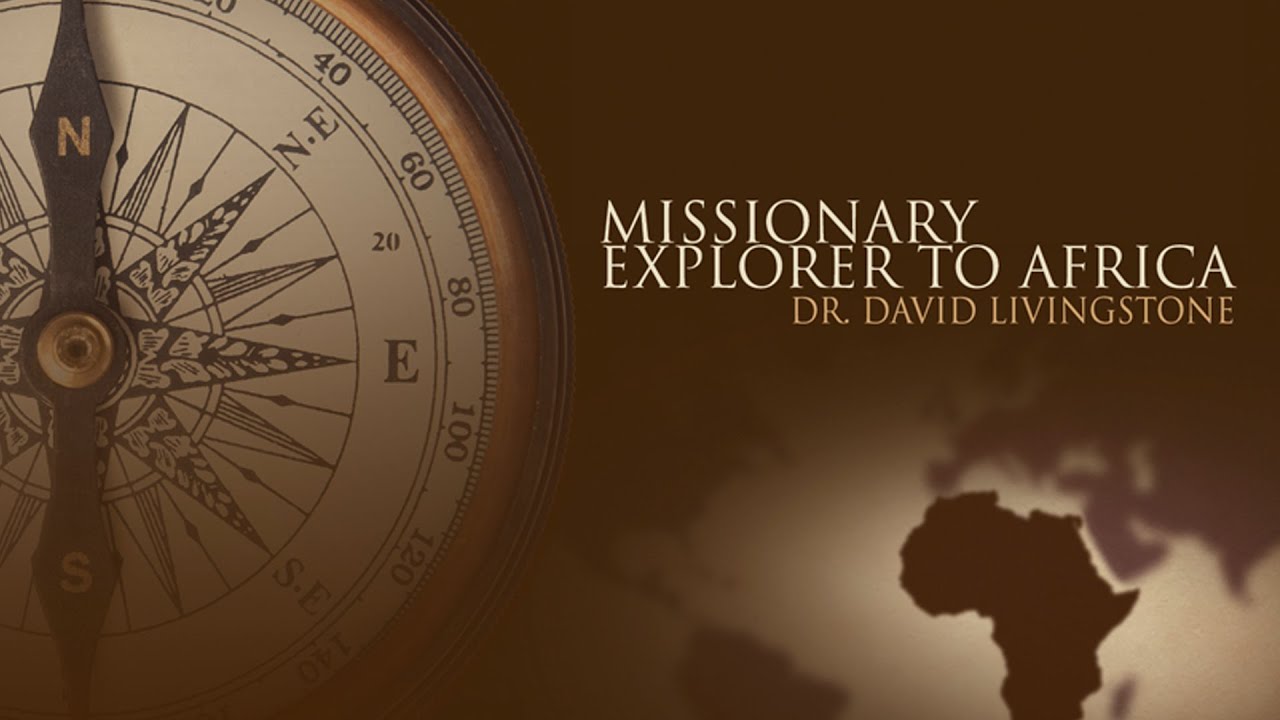
david livingstone: The Legacy of a Trailblazer
When we think of exploration and the great African landscape, one name comes to mind: David Livingstone 🌍. His adventurous spirit and pioneering work made him a household name in history. But who was David Livingstone, and what impact did he have on our understanding of Africa? From his early life to his explorations and missionary work, Livingstone’s journey is one of resilience and curiosity.
Early Life and Education
Born on March 19, 1813, in Blantyre, Scotland, David Livingstone grew up in a humble household. His father was a tea merchant, and young Livingstone was only a child when he began to work in the cotton mill to contribute to the family’s finances. Despite this, he was determined to pursue an education. His passion for learning, coupled with an insatiable curiosity for the world around him, would eventually lead him to become a medical missionary and an explorer in Africa.
Livingstone studied medicine and theology at the University of Glasgow and later joined the London Missionary Society, which marked the beginning of his adventurous career. He combined his love for science with his missionary work, believing that spreading Christianity would aid in the continent’s advancement.
The Journey Begins: First Expedition
In 1840, Livingstone set sail for Africa, arriving in what is now present-day South Africa. His initial mission was to explore the region while spreading Christianity. However, he quickly realized that the continent’s needs extended beyond spiritual fulfillment. Livingstone began to focus on mapping the southern parts of Africa, which had never before been systematically documented.


His first major expedition in 1849 took him to the Zambezi River, where he worked to discover the region’s resources and build relationships with various tribes. Unlike other explorers, Livingstone believed that understanding the local cultures was essential for effective mission work. This sentiment set him apart from contemporaries who often disregarded indigenous customs.
Major Discoveries and Contributions
One of Livingstone’s most notable achievements was the discovery of Victoria Falls in 1855. He named it after Queen Victoria, and his detailed accounts of this natural wonder would go on to inspire countless travelers and explorers. This discovery added to Europe’s fascination with Africa, while also fostering commercial interests in the region.
Moreover, Livingstone was deeply concerned about the slave trade. His advocacy against it was strong, as he believed it was a moral blight on humanity. During his travels, he documented the harsh realities of slavery, bringing international attention to the issue. Livingstone’s findings influenced the British government to take action against the trade, showcasing how exploration could lead to social change.
Later Expeditions and Unforeseen Struggles
Livingstone undertook several expeditions throughout Africa, aiming to map the interior and connect trade routes. His explorations included treks into the heart of the continent, uncharted territories that tested both his physical and mental endurance. However, these journeys were not without peril. Frequent bouts of illness, challenges from local tribes, and harsh living conditions often tested Livingstone’s resolve.
Despite these struggles, he remained unwavering in his commitment to helping Africa. He also sought to identify and facilitate potential trade routes that would reap economic benefits for both Europeans and Africans alike.
Livingstone’s Legacy: A Doctor and an Explorer
David Livingstone is remembered not just for his explorations, but for his ability to blend science, compassion, and altruism. His work laid the groundwork for further exploration and engagement with the African continent. Livingstone’s legacy goes beyond maps and discoveries; it’s about understanding and respecting local cultures, which is paramount in any interaction.
Connecting with Complementary Tools
For those interested in delving deeper into the world David Livingstone explored, several complementary tools and resources enhance the learning experience. From mapping software to educational resources, using these alongside Livingstone’s historical context can yield richer insights into African geography and cultures.
1. Google Earth
Utilizing Google Earth can help visualize the landscapes Livingstone traversed. This tool allows users to explore the very regions he documented, thereby enhancing understanding:
- Interactive mapping features showing current terrain.
- Historical imagery serving as a comparison to Livingstone’s time.
- Placing explorer’s routes in context with modern pathways.
- Zooming in on specific locations of his discoveries, like Victoria Falls.
2. National Geographic’s Africa Resources
Educational materials from National Geographic can provide deeper insights about Africa’s diverse cultures and serene landscapes:
- Richly illustrated articles on the various regions Livingstone explored.
- Documentaries that recount the explorations of famous figures like Livingstone.
- Maps that show changes over time in areas of Livingstone’s journey.
- Interactive resources to learn about Africa’s biodiversity.
3. Historical Journals and Letters
Accessing Livingstone’s personal journals and letters provides a first-hand account of his thoughts and experiences, enriching readers’ understanding. Websites like British Library archive such documents.
4. Online Course Platforms
Platforms like Coursera offer courses focusing on African history and exploration, allowing enthusiasts to learn more about Livingstone’s context and work.
5. Digital Mapping Tools
Using digital mapping tools can simulate Livingstone’s travels through interactive experiences, significantly enhancing engagement.
6. Educational Museums
Museums featuring African history often have exhibitions on explorers, including Livingstone, offering artifacts and enriched narratives. Check out Science Museum for details.
7. Travel Blogs and Vlogs
Following travel blogs that revisit Livingstone’s path can provide modern insights into these historical journeys. These narratives can offer both inspiration and practical travel advice.
8. Project Management Tools
Utilizing project management tools like Asana can help create shared timelines for learning about Livingstone’s contributions while collaborating with peers:
- Organizing research into specific topics about his life.
- Assigning tasks related to bookings and museum visits.
- Tracking progress as you delve into Livingstone’s explorations.
- Facilitating collaboration for group projects on African history.
9. Virtual Tours
Taking virtual tours of the landscapes Livingstone explored enhances an understanding of his legacy. Many national parks now offer these experiences digitally.
10. Local Historical Organizations
Connecting with local historical organizations that focus on Livingstone’s impact can provide insight and community engagement.
Conclusion: Embracing the Spirit of Exploration
David Livingstone’s impact transcends geography and time. His contributions as an explorer, missionary, and advocate for a moral cause continue to resonate today. By using tools and resources effectively in connection with Livingstone’s narrative, we can foster a more profound appreciation of his work and the cultures he sought to understand. As you embark on your explorations of Africa, embody the spirit of curiosity and empathy that Livingstone exemplified, enhancing both personal knowledge and societal understanding.
