Damascus place: essential, practical guide with 7 key tips
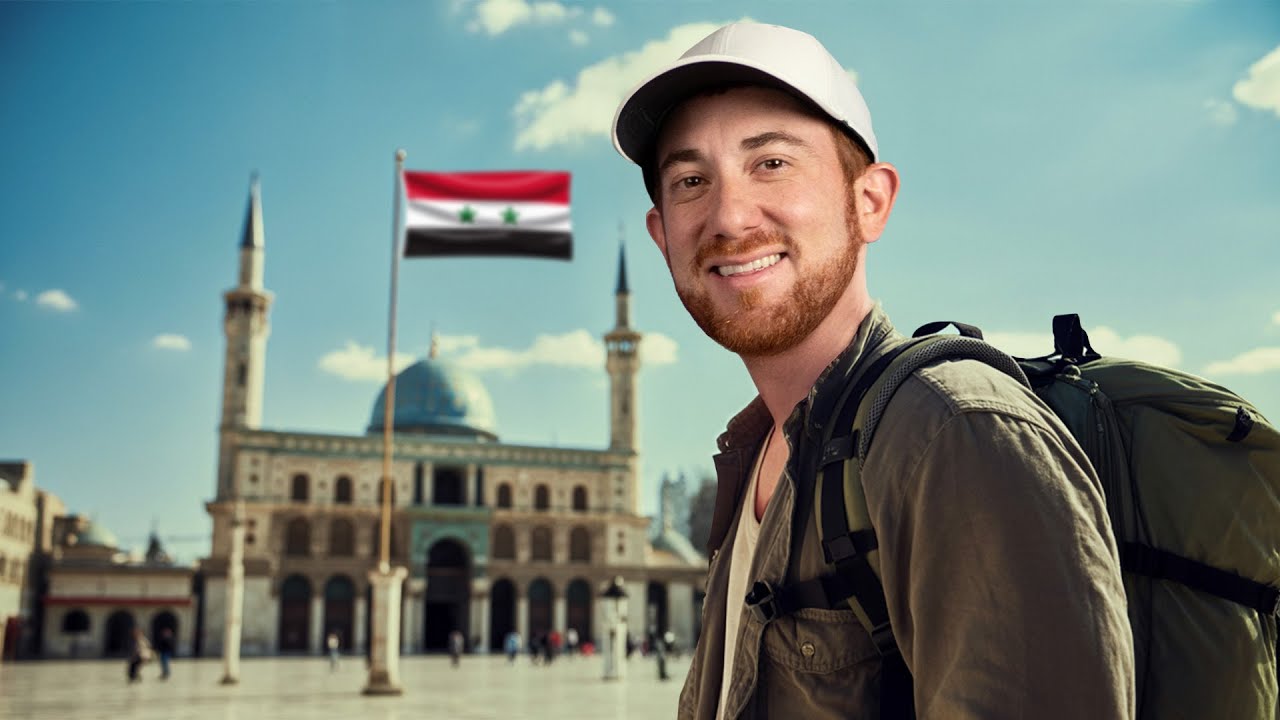
damascus place: history, meaning and travel-friendly guide
The phrase damascus place refers both to a very real location in the Middle East and to an idea that has echoed through culture and faith for two millennia. Geographically, it points to the ancient city of Damascus and its storied quarters; symbolically, it evokes the moment of personal change epitomised by Saint Paul’s experience on the road to Damascus. In this guide, we bring both strands together so you can understand what damascus place is, why it matters, and how to approach it with knowledge, respect and curiosity.
Whether you are a traveller, a student of history, or simply someone who enjoys exploring the intersections of cultures and beliefs, damascus place offers an extraordinary tapestry. We will unpack the basics, highlight key sites, discuss common pitfalls, and point you towards reliable resources for deeper reading and practical planning.
What is damascus place?
At its simplest, damascus place is the Ancient City of Damascus and the cultural landscape around it: a living urban environment with layers from Aramaean, Greek, Roman, Byzantine, Islamic and Ottoman periods. It is also a shorthand for the decisive turning points people sometimes call their “Road to Damascus” moments—times when perspective and direction change profoundly.
The geographic and historical damascus place
Damascus is one of the world’s oldest continuously inhabited cities. Set on a plateau east of the Anti-Lebanon mountains, it became an early hub for trade routes that linked Mesopotamia, the Levant and the Mediterranean. The heart of what many visitors think of as damascus place is the Old City, a UNESCO World Heritage Site, where narrow lanes, ancient gates and courtyards tell a story that spans more than 3,000 years. For a clear overview of the city’s timeline and significance, see the Encyclopaedia Britannica entry on Damascus and UNESCO’s listing for the Old City at Ancient City of Damascus (UNESCO World Heritage Centre).


The spiritual and metaphorical damascus place
For Christians, damascus place resonates especially with the account of Saul’s conversion (Acts 9). On the way to Damascus, Saul experiences a blinding encounter and later, guided into the city, receives healing and a new mission from God. This event, often called “the Road to Damascus” moment, has become a metaphor for radical personal transformation. For background, you can read about the episode commonly referred to as the conversion of Paul at Conversion of Paul the Apostle (Wikipedia).
Damascus has long been a crossroads of faith. The city’s quarters, shrines and houses of worship reflect the layered communities—Muslim, Christian and others—who have called it home. Understanding this plural character is key to appreciating damascus place in both historical and contemporary terms.
Key sites to know in the damascus place
The Old City and its immediate surroundings include several places central to the story and meaning of damascus place. Even if you are reading from afar, these landmarks help anchor the narrative.
Straight Street (Via Recta)
Known in the New Testament as “the street called Straight”, this Roman thoroughfare once ran arrow-like across the city. Although much altered over the centuries, its memory survives in the modern street plan. In the Christian tradition, it is linked with the house where Saul stayed after his dramatic encounter, and with the visit of Ananias who restored his sight. As a spine of damascus place, Straight Street symbolises continuity: a line connecting ancient quarters, bustling souks and living communities.
The House of Ananias
Traditionally identified beneath a modest church in the Christian Quarter, the House of Ananias is a small but evocative site often included in pilgrim itineraries. Its significance lies less in archaeological certainty than in continuity of devotion—the idea that damascus place is where Saul’s story began to turn, through the faith and courage of ordinary believers.
The Umayyad Mosque
One of the great monuments of early Islam, the Umayyad Mosque stands on a site that hosted sacred buildings for millennia. The current structure, begun in the early eighth century, is renowned for its spacious courtyard and historic mosaics. It also preserves the memory of figures revered across traditions, reflecting the interwoven nature of damascus place. For background on the city and its monuments, the Damascus overview on Wikipedia provides useful context alongside broader historical references.
Bab Touma and the Christian Quarter
Bab Touma (the Gate of Thomas) leads into a quarter long associated with Christian communities of various rites. Domes, bell towers and small courtyards punctuate lanes lined with workshops and homes. The soundscape—church bells mixing with the call to prayer—captures the layered atmosphere that gives damascus place its distinctive character.
Souks, khans and craft traditions
Historic markets and caravanserais (khans) are part of the city’s lifeblood. Visitors often associate Damascus with damascene craft—metal inlay, textiles and fine woodwork—traditions sustained by generations of artisans. These crafts highlight another dimension of damascus place: a living economy of skill, trade and cultural expression.
A concise timeline of the damascus place
Damascus grew in influence at the intersection of empires and faiths. While any summary oversimplifies, the following touchpoints can help you orient the story of damascus place:
- Ancient beginnings: evidence of settlement stretches back thousands of years, with Aramaean Damascus emerging as a city-state.
- Hellenistic and Roman eras: the city became part of the Seleucid realm, then the Roman province, with urban features such as colonnades and Straight Street.
- Byzantine period: Christian communities flourished; Damascus held strategic and religious significance in the late antique world.
- Early Islamic era: the Umayyad Caliphate made Damascus its capital (7th–8th centuries), leaving a monumental architectural legacy.
- Medieval to Ottoman periods: waves of political change shaped trade, learning and urban life, maintaining Damascus as a regional hub.
- Modern era: the city continued as a cultural centre, with its Old City recognised as a UNESCO World Heritage Site for its outstanding universal value.
How to understand the layered faiths of the damascus place
Damascus is a mosaic of communities. In the Christian tradition, Orthodox, Catholic and Eastern churches have deep roots here, alongside Muslim communities of diverse schools and cultural backgrounds. If you are curious about differences within Christianity that you may encounter in the Christian Quarter of damascus place, this overview comparing major branches can help: Orthodox vs Catholic.
Equally, the story of Saul (Paul) in Damascus leads directly into the early mission to non-Jewish communities. If the language of “Gentiles” in the New Testament puzzles you, see this simple primer: meaning of Gentiles in the Bible. It adds clarity to why the damascus place narrative became a cornerstone for understanding the Church’s outward-looking mission.
Practical tips for exploring the damascus place
Before any journey, do your homework. The situation on the ground in Syria can change, and travel may not be advisable. Always check up-to-date official guidance. For British travellers, the best starting point is UK government travel advice for Syria. If travel is not feasible, consider virtual explorations, books and films that bring the atmosphere of damascus place to life.
If you are planning a visit when conditions allow, keep these pointers in mind:
- Dress and comportment: in mosques, churches and shrines, wear modest clothing. Follow instructions for head coverings and shoe removal. Respectful silence and photography etiquette go a long way in the sacred spaces that define damascus place.
- Guides and context: local guides can deepen your understanding, especially in multi-layered sites (e.g., the Umayyad Mosque). Choose guides who emphasise cultural respect.
- Timing and pace: the Old City rewards slow wandering. Mornings are often quieter, while evenings bring a different energy to its souks and squares.
- Language and exchange: basic Arabic phrases are welcomed. In tourist-facing areas, you will also hear English and French. Gentle bargaining is common in markets, but keep it friendly.
- Safety and permissions: security measures may affect access to certain places. Always comply with local regulations and be sensitive to the realities residents face.
A thoughtful approach to the damascus place story
It is tempting to simplify Damascus into a single narrative: ancient splendour, a biblical backdrop, or a snapshot of contemporary challenges. But damascus place gains depth when we hold several truths at once. It is an old city still creating its future. It is a site where sacred and ordinary life intermingle. And it is a symbol for personal change that remains compelling across cultures and beliefs.
For many, the metaphor of a “Damascus moment” is not about sudden drama as much as honest reorientation—pausing, seeking help from others, and taking a new path. Thinking about damascus place in this way can turn history into a living companion for your own decisions.
Common mistakes to avoid when thinking about the damascus place
- Assuming it is only one thing: damascus place is both a physical cityscape and a powerful idea. Embrace both to avoid a flat picture.
- Overlooking living communities: Damascus is not a museum. People work, pray, study and raise families in the very streets visitors admire.
- Confusing legend with disrespect: even where tradition exceeds hard archaeology (e.g., the House of Ananias), treat places of devotion with care.
- Forgetting regional context: trade routes and neighbouring cultures shaped Damascus. Its story does not stand alone.
- Rushing sacred spaces: allow time to notice details—doors, inscriptions, mosaics, quiet courtyards—that reveal layers of damascus place.
Recommended external resources
- UNESCO World Heritage listing for the Ancient City of Damascus – an authoritative snapshot of why the Old City is protected and what makes it unique.
- Encyclopaedia Britannica: Damascus – a well-structured reference covering history, geography and culture.
- Wikipedia: Damascus – a broad overview with links to specific districts and monuments.
- UK Foreign, Commonwealth & Development Office: Syria travel advice – essential if you are considering travel.
Related articles
- Orthodox vs Catholic: key differences at a glance
- Understanding the meaning of Gentiles in the Bible
Frequently asked questions about damascus place
Where is damascus place and why is it so well known?
Damascus lies in southwestern Syria, on an inland plateau. The part many people mean by damascus place is the Old City and its environs, where ancient streets, gates and religious sites cluster within and around old walls. Its fame comes from extreme antiquity, layers of civilisations, and continuing importance in regional culture and faith.
What does the “Road to Damascus” have to do with damascus place?
The expression comes from the New Testament account of Saul’s experience on the way to Damascus. He entered the city blind, was healed by Ananias, and left with a new mission as Paul. Because of this, damascus place stands for pivotal change—moments when insight and direction shift dramatically.
Is it possible to visit the sacred sites in the damascus place?
In normal times, visitors can enter places such as the Umayyad Mosque and the House of Ananias, observing local rules on dress and behaviour. However, access can be affected by security conditions and local regulations. Check updated advice—such as the UK government’s Syria page—and consult local authorities or guides if you are on the ground.
What are the must-see landmarks within the damascus place?
Many start with Straight Street, the Umayyad Mosque and the Christian Quarter around Bab Touma. If time allows, add nearby markets and old caravanserais to feel the commercial heart of damascus place, and look for smaller chapels and courtyards where history and daily life meet quietly.
Which faiths are represented in the damascus place?
Islam and Christianity are the most visible, represented in mosques, churches and monasteries of several traditions. Historically, Damascus has also been home to Jewish communities and others, reflecting the city’s role as a crossroads. This interweaving of faiths is central to the identity of damascus place.
What is the best way to approach photography and etiquette in the damascus place?
Ask permission before photographing people, especially in sacred settings. Observe posted rules in mosques and churches, speak softly, and avoid blocking entrances or services. Modest dress is courteous and often required. A thoughtful approach preserves the dignity of those who live and worship in damascus place.
Conclusion on damascus place
Seen clearly, damascus place brings together a city and an idea. It is the dense, fascinating Old City of Damascus—its gates, markets, churches and mosques—and it is the enduring metaphor for life-changing clarity. Keeping both in view allows you to appreciate the depth of its story and the breadth of its influence.
If you explore in person one day, let patience, respect and curiosity guide you through lanes and courtyards where centuries converse. If you explore from home, let reliable resources and careful reading illuminate how damascus place connects trade and faith, past and present, personal journeys and shared heritage.
Most of all, allow damascus place to challenge easy assumptions. Like the straight line of its ancient street, it invites direction, but not haste; depth, rather than quick conclusions. In that sense, its greatest gift may be clarity—both about the world we inherit and the paths we choose.
