Creamy sauce recipe: essential, practical guide in 5 steps
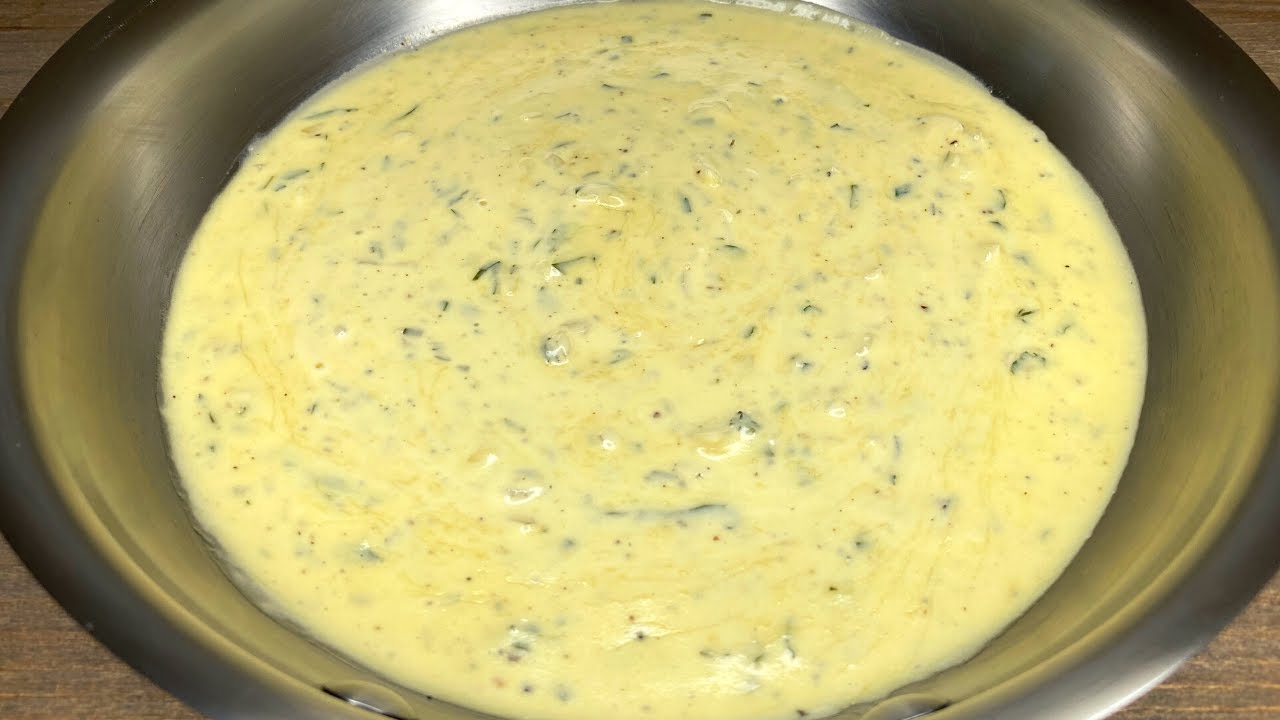
Creamy sauce recipe: the ultimate guide to silky, versatile sauces at home
A great creamy sauce recipe is a cook’s secret weapon: it turns simple pasta, seared chicken, roasted vegetables or pan-fried fish into a restaurant-worthy meal with minimal fuss. In this guide, you’ll learn the core techniques behind a reliable creamy sauce recipe, a step-by-step master method, clever variations, and how to fix common mistakes. We’ll also cover how to lighten it, store it safely, and pair it beautifully so you can use your creamy sauce with confidence any night of the week.
Whether you’re aiming for a quick pan sauce after cooking steak, a classic white sauce for gratins, or a subtle garlic cream for seafood, this creamy sauce recipe framework will help you adapt to what’s already in your fridge while keeping the results consistently silky, glossy and delicious.
What do we mean by a creamy sauce recipe?
Broadly, a creamy sauce recipe is any method that yields a smooth, rich, pourable sauce with dairy (or a dairy-free alternative) as a central element. The texture should be velvety and cohesive — no curdling, graininess or greasy separation — and the flavour should complement the main ingredient rather than overpower it.
There are three common routes to creaminess:


- Roux-based white sauce (béchamel-style) thickened with flour and finished with milk and/or cream.
- Reduction-based pan sauces that concentrate stock and aromatics, then finish with double cream or crème fraîche.
- Blended or emulsified sauces that rely on finely pureed vegetables, nuts or plant creams for body.
If you’ve ever made a classic white sauce for cauliflower cheese, you’ve used one time-tested creamy sauce recipe. For context on the family of classic sauces and how béchamel fits in, see this clear overview of the traditional mother sauces: background on béchamel and its variants.
Key principles behind a successful creamy sauce recipe
Temperature and gentle heat
Most problems with a creamy sauce recipe start with heat that’s too high. Cream splits if boiled hard, cheese becomes gritty if overheated, and milk can scorch. Keep to a gentle simmer, especially after adding dairy.
Starch for stability
In roux-based sauces, flour bonds with fat first (the roux), then disperses in liquid to thicken. This gives a stable, silky base that won’t split easily. You can also use cornflour as a slurry to stabilise finishes in reduction sauces if needed.
Balanced fats
Butter adds flavour and sheen, cream adds richness, and a small splash of olive oil can prevent butter browning too far at the start. Aim for balance: enough fat for gloss and mouthfeel without making the sauce heavy.
Seasoning in layers
Salt early but lightly; you can adjust near the end. Nutmeg, white pepper and bay leaf lift a béchamel-style creamy sauce recipe. Lemon juice or a touch of Dijon mustard can brighten a reduction-based sauce just before serving.
Step-by-step creamy sauce recipe (master method)
Use this master method to create a reliable white cream sauce for pasta, gratins or vegetables. It’s designed to be a versatile starting point that you can adapt with flavour add-ins and different dairy options.
Ingredients for the master creamy sauce recipe (serves 4)
- 30 g unsalted butter
- 1 tbsp olive oil (optional, helps prevent butter browning)
- 1 small shallot, very finely chopped (optional)
- 1 small garlic clove, finely grated or crushed (optional)
- 30 g plain flour
- 500 ml dairy: try 300 ml whole milk + 200 ml double cream, or 500 ml whole milk for a lighter finish
- 1 bay leaf (optional)
- 1/8 tsp grated nutmeg (optional, classic in white sauce)
- Fine sea salt and white pepper, to taste
- Optional finishes: 30–50 g finely grated Parmesan or mature Cheddar; 1 tsp Dijon mustard; 1–2 tsp lemon juice
Method
- Warm the dairy: In a small saucepan, gently warm the milk/cream with the bay leaf until just steaming, then turn off the heat. Warm dairy blends more smoothly and reduces lumps.
- Cook the aromatics: In a medium saucepan, melt the butter with the olive oil over medium-low heat. Add shallot and cook 2–3 minutes until soft but not coloured. Stir in garlic for 30 seconds.
- Make the roux: Sprinkle in the flour. Stir continuously for 1–2 minutes until it forms a paste and smells slightly nutty. This cooks off the raw taste.
- Add the warm dairy gradually: Remove the bay leaf. Add the dairy in several additions, whisking vigorously after each to keep the sauce smooth. It will seem lumpy at first; keep whisking and it will even out.
- Simmer gently: Once all the liquid is in, add the nutmeg and a good pinch of salt. Simmer very gently for 4–6 minutes, whisking now and then, until the sauce is glossy and coats the back of a spoon.
- Finish and adjust: Off the heat, stir in cheese (if using), a little Dijon and a squeeze of lemon to brighten. Taste; add salt and white pepper to balance. If too thick, whisk in a splash of hot water, milk or stock. If too thin, simmer a minute longer or whisk in a teaspoon of cornflour dissolved in cold milk.
This base creamy sauce recipe is ideal for pasta, veg bakes and fish pies. For a classic white sauce tutorial with step-by-step photos, see this reliable guide: BBC Good Food’s white sauce method.
Pan-style creamy sauce recipe after searing meat or fish
When you’ve seared chicken, pork, steak or salmon, the browned bits in the pan are flavour gold. This quick creamy sauce recipe captures that flavour in minutes.
Quick pan sauce method
- After cooking your protein, pour off most fat, leaving about 1 tbsp in the pan. Add a finely chopped shallot; cook 1–2 minutes.
- Deglaze with 60–120 ml dry white wine, vermouth or stock, scraping the pan with a wooden spoon. Reduce by half.
- Add 150–200 ml double cream or crème fraîche; simmer gently 2–3 minutes until lightly thickened.
- Finish with a knob of butter, a squeeze of lemon, chopped herbs (tarragon, chives, parsley), and seasoning.
For deeper technique on making superb pan sauces, the step-by-step tips here are excellent: comprehensive guide to pan sauces.
Creamy sauce recipe variations you’ll actually use
Garlic and herb cream
Start with the master creamy sauce recipe. Gently soften 2–3 garlic cloves in the butter at the start. Finish with chopped parsley and chives, plus a squeeze of lemon. Perfect with white fish, gnocchi or roasted courgettes.
Mushroom cream
Fry 200–250 g finely chopped mushrooms in butter and oil until they give off their moisture and turn golden. Proceed with the roux and dairy, then finish with thyme. This creamy sauce recipe complements grilled chicken or tagliatelle.
Peppercorn cream
Lightly crush 1–2 tsp black or green peppercorns and toast them in the butter before adding flour. Deglaze with a splash of brandy or stock, then add cream. This is a steak-night classic.
Cheese sauce (Mornay)
Add 60–100 g finely grated mature Cheddar or Gruyère to the base, off the heat, stirring until melted and smooth. A pinch of mustard powder boosts flavour. Ideal for macaroni cheese or cauliflower cheese.
Mustard and tarragon
Whisk 1–2 tsp Dijon mustard into the finished sauce and fold through chopped tarragon. Wonderful with roast chicken or baked salmon.
Lemon cream for seafood
Use fish stock to thin the base if needed, add lemon zest while simmering, then finish with lemon juice and dill. Keep the heat gentle to prevent the citrus from curdling the cream.
Dairy-free creamy sauce recipe
Sauté shallot and garlic in olive oil, stir in 20 g flour, then whisk in 500 ml unsweetened oat milk or a mixture of vegetable stock and oat cream. Simmer until thick, and finish with nutritional yeast, lemon and herbs. Alternatively, blend 80 g soaked cashews with 300–400 ml hot vegetable stock for a super-smooth plant-based cream.
Choosing dairy for your creamy sauce recipe
- Milk: Whole milk gives body without heaviness; semi-skimmed is lighter but less silky.
- Double cream: Easiest route to richness; more stable than single cream when heated.
- Crème fraîche: Slightly tangy, resists splitting better than sour cream; great for pan sauces.
- Cheese: Add off the heat and stir gently to avoid graininess. Finely grate for better melting.
- Yoghurt: Use full-fat Greek yoghurt; temper with a little hot sauce before adding, and keep the heat very low to avoid curdling.
How to adjust thickness in a creamy sauce recipe
- Too thick: Whisk in hot milk, stock or even pasta water (for pasta dishes) a splash at a time.
- Too thin: Simmer gently to reduce, or whisk in a teaspoon of cornflour mixed with cold milk and simmer 1–2 minutes.
- Sheen and body: A final knob of cold butter whisked in off heat adds gloss and rounds flavours.
Flavour boosters without heaviness
To keep a creamy sauce recipe lively rather than cloying, lean on acidity and aromatics:
- Citrus: Lemon juice or zest cuts richness, especially with fish or greens.
- Wine or vermouth: Dry white adds backbone to pan sauces; reduce well before adding cream.
- Herbs: Chives, parsley, dill, tarragon and thyme are reliable; add delicate herbs at the end.
- Mustard: Dijon delivers depth and slight heat; a little goes a long way.
- Aged cheese: Parmesan or Pecorino adds umami; use sparingly to avoid overpowering.
Common mistakes and easy fixes in any creamy sauce recipe
- Lumps: Usually from adding cold liquid too fast. Fix by whisking vigorously and simmering gently; if needed, strain and return to the pan.
- Split sauce: Often from boiling after dairy is added. Remove from heat, whisk in a tablespoon of cold cream or milk, then reheat very gently.
- Grainy cheese: Adding cheese over high heat or using pre-grated cheese with anti-caking agents. Remove from heat and stir in finely grated cheese gradually.
- Flour taste: The roux wasn’t cooked long enough. Simmer the finished sauce for a few minutes longer to mellow the flavour.
- Flat flavour: Add acidity (lemon, a splash of vinegar) and a pinch more salt; a little mustard can help.
Pairing ideas: where your creamy sauce recipe shines
- Pasta: Toss with tagliatelle, penne or gnocchi; add sautéed mushrooms, peas or spinach.
- Chicken and pork: Spoon a mustard-tarragon cream over pan-seared cutlets.
- Steak: A peppercorn cream or blue cheese finish works beautifully.
- Fish and seafood: Lemon-dill cream for salmon, garlic cream for prawns, and a light parsley cream for white fish.
- Vegetables: Cauliflower cheese, creamed leeks, or roasted broccoli with garlic-parmesan cream.
- Grains: Drizzle over herby barley, spelt or soft polenta for a comforting side.
Make-ahead, storage and reheating
Most versions of a creamy sauce recipe keep well. Cool quickly, then refrigerate in a sealed container for 3–4 days. Reheat gently over low heat, whisking and thinning with a splash of milk or stock as needed. Avoid boiling. If you’re cooking for vulnerable groups, follow these official guidelines on chilling and reheating: Food Standards Agency advice on chilling food safely.
Freezing: Roux-based sauces freeze better than high-cheese sauces. Cool completely, freeze up to 2 months, and thaw overnight in the fridge. Reheat gently, whisking to re-emulsify, and adjust with fresh dairy if required.
Health-conscious tweaks for your creamy sauce recipe
- Use more milk than cream: A 3:1 milk-to-cream ratio stays silky but reduces richness.
- Infused milk: Simmer milk with bay, onion and peppercorns; strain before adding. Infusion adds flavour so you can use less cheese or butter.
- Crème fraîche: Lower fat than double cream and less likely to split than sour cream.
- Vegetable base: Blend steamed cauliflower or celeriac with stock and a little cream or olive oil for a lighter, creamy texture.
- Dairy-free: Oat milk and oat cream or a cashew blend give body with clean flavour.
Scaling and timing
When doubling a creamy sauce recipe, cook the roux a touch longer to fully hydrate the extra flour, and add the warm dairy more slowly to prevent lumps. Larger volumes take longer to come to a gentle simmer; resist turning up the heat too far. For pasta, time the sauce so it’s ready just as the pasta finishes; reserve a mug of pasta water to loosen and help the sauce cling.
If you’re drafting menus or labelling batches, it can be useful to standardise naming and numbering to stay organised; a quick refresher on how Roman numerals work can be handy if you prefer classic menu styling.
Example menus using one creamy sauce recipe base
- Weeknight pasta: Base sauce with garlic and parsley; toss with peas, lemon zest and farfalle. Top with toasted breadcrumbs.
- Chicken tarragon: Pan-seared chicken breasts; deglaze with vermouth; finish with crème fraîche, Dijon and tarragon.
- Salmon with lemon-dill cream: Roast salmon; spoon over a light lemon-dill cream; serve with crushed new potatoes and asparagus.
- Vegetable gratin: Layer blanched broccoli and cauliflower; pour over cheese sauce; bake until bubbling and golden.
Technique deep dive: the science that keeps your creamy sauce recipe silky
Roux and gelatinised starch
When flour is cooked in fat, starch granules disperse, then swell when heated with liquid, thickening the sauce. Properly cooked roux prevents raw flour taste and reduces lumping. Gentle heat keeps starch intact and stops dairy proteins from curdling.
Emulsification and reduction
Reduction concentrates flavour and naturally thickens by evaporating water. Adding cream after reduction enriches without needing too much flour, leading to a cleaner taste. A final swirling-in of cold butter (monter au beurre) creates a fine emulsion with a glossy finish.
Protein management
Dairy proteins can tangle and curdle at high heat or in very acidic environments. Keep heat moderate, add acids near the end, and consider using crème fraîche for extra stability in a tangy creamy sauce recipe.
Recommended external resources
- Step-by-step white sauce (béchamel) tutorial
- Detailed guide to pan sauces and reductions
- Official UK guidance on cooling and reheating
- Background on béchamel and classic derivatives
Related articles
Frequently asked questions about creamy sauce recipe
How do I stop my creamy sauce recipe from splitting?
Keep the heat gentle once dairy goes in; avoid boiling. Add acids (lemon, mustard, wine) near the end and in small amounts. If a sauce threatens to split, remove from heat and whisk in a tablespoon of cold cream or milk, then reheat very gently while whisking.
Can I make a gluten-free creamy sauce recipe?
Yes. Use cornflour or a gluten-free flour blend for the roux, or make a reduction-based sauce and thicken with a cornflour slurry if needed. For a naturally gluten-free option, try a cashew or cauliflower blend with stock and a splash of cream or olive oil.
What’s the best cheese for a smooth cheese sauce?
Finely grated cheeses that melt well: mature Cheddar, Gruyère, or a little Parmesan for umami. Add the cheese off the heat and stir gently to prevent graininess. Avoid pre-grated cheese if possible, as anti-caking agents can affect texture.
How can I make a lighter creamy sauce recipe without losing texture?
Use more whole milk than cream, enrich with a modest amount of Parmesan for savouriness, and add brightness with lemon or herbs. Blended vegetables (cauliflower or celeriac) can also add body with fewer calories.
What’s the difference between crème fraîche and double cream in sauces?
Crème fraîche is tangy and relatively heat-stable, great when you want subtle acidity without splitting. Double cream is richer and neutral, perfect for ultra-smooth finishes. Both suit a creamy sauce recipe; pick based on flavour and fat level.
Can I add wine to a creamy sauce recipe?
Absolutely, but reduce the wine first to cook off alcohol and concentrate flavour before adding cream. Dry white wine or vermouth works especially well in pan sauces for chicken and fish.
Conclusion on creamy sauce recipe
A dependable creamy sauce recipe gives you culinary flexibility: whisk up a silky base, adapt it to your main ingredient, and finish with bright touches for balance. Mastering the fundamentals — gentle heat, a smooth roux or careful reduction, and layered seasoning — means you can create everything from weeknight pasta sauces to elegant finishes for fish or steak.
Use the master method here as your template, then branch out into garlic-herb, mushroom, peppercorn, lemon-dill or cheese variations depending on what you’re cooking. With a few simple rules and quality ingredients, a creamy sauce recipe becomes less a strict formula and more a set of skills you can apply to any flavour profile.
Store it safely, reheat gently, and don’t be afraid to fine-tune with acidity, herbs and a little cheese. Once you’ve made this approach your own, you’ll reach for a creamy sauce recipe whenever you want to turn everyday ingredients into something that feels special.
