Creamy pasta recipe: essential, practical guide in 5 steps
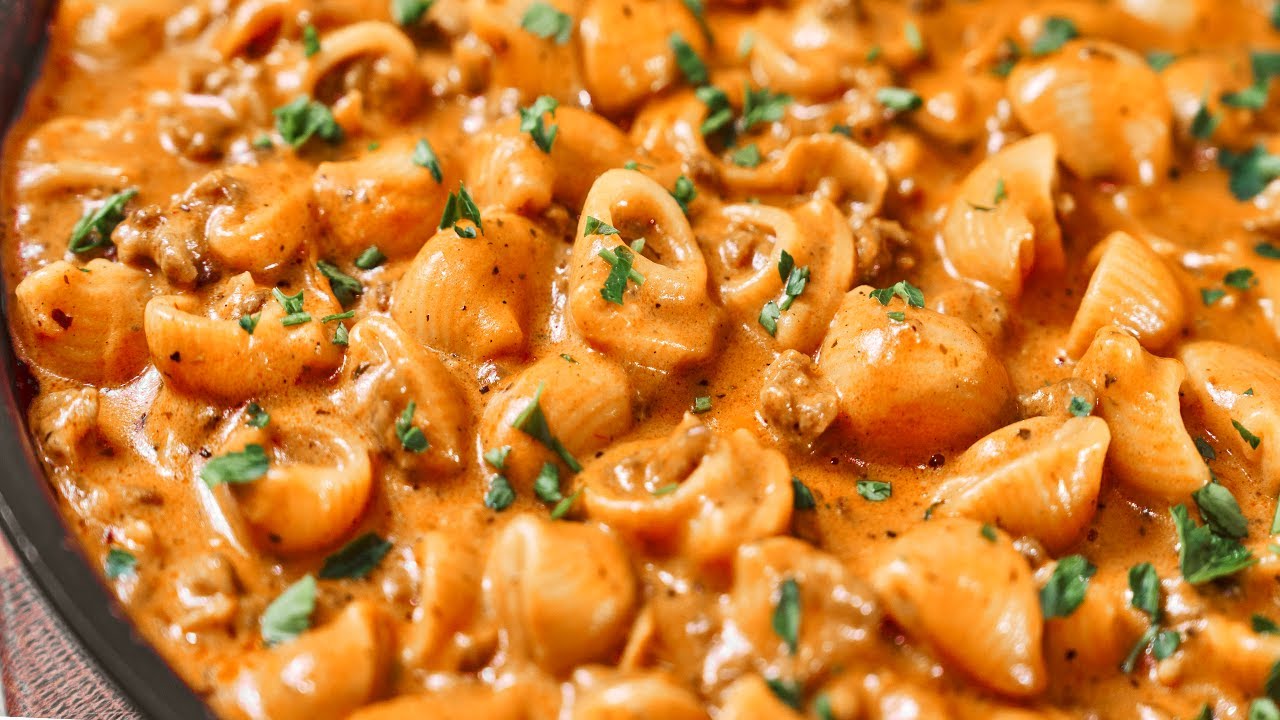
creamy pasta recipe: the complete guide to silky, satisfying suppers
A well-balanced creamy pasta recipe is one of the most reliable ways to deliver comfort, speed and flavour on a busy weeknight or for easy entertaining at the weekend. At its heart, it is a technique: creating a silky emulsion that coats each piece of pasta without clumping, splitting or becoming heavy. Master that, and you can adapt the method endlessly—with mushrooms, greens, seafood, chicken or seasonal veg—to suit what you have in the fridge.
In this guide you’ll learn the foundations of a creamy pasta recipe, including the best ingredients to choose, how to build a stable sauce, and the common mistakes to avoid. You’ll also find a flexible base method, clever variations, storage and reheating tips, and answers to frequent questions so you can serve a consistently delicious bowl every time.
Key principles for a fail-safe creamy pasta recipe
There are three pillars to a reliably smooth and glossy creamy sauce for pasta: starch, fat and gentle heat. Combine these properly and your creamy pasta recipe will have a professional finish instead of a greasy or watery sauce.
- Use starchy pasta water: The starch released during boiling helps bind fat and liquid into a cohesive emulsion. Reserve at least 250 ml before draining.
- Balance fat and liquid: Butter, olive oil, double cream and cheeses (Parmesan or Pecorino) provide fat; stock, wine and pasta water provide moisture. Adjust gradually until the sauce lightly coats the pasta.
- Control the heat: Add dairy off the boil and keep the pan at a gentle simmer when combining. Boiling can cause cream and cheese to split.
- Finish in the pan: Always toss pasta with the sauce in a large pan for 1–2 minutes so the emulsion forms and adheres properly.
For a deeper dive into why saucing pasta in the pan matters, see the Serious Eats guide to saucing pasta like a pro, which explains emulsion and timing clearly.


Ingredients for a versatile creamy pasta recipe (serves 4)
Think of this as a template you can tweak. It keeps the method consistent while giving you room to improvise flavours.
- 350–400 g pasta (short shapes such as rigatoni, penne or fusilli work beautifully; see shape tips below)
- 2 tbsp unsalted butter or extra-virgin olive oil
- 1 small onion or 2 shallots, finely chopped
- 2 garlic cloves, finely sliced
- 100 ml dry white wine (optional) or extra stock
- 150 ml chicken or vegetable stock (hot)
- 200 ml double cream (or 150 ml double cream + 50 g mascarpone)
- 60–80 g finely grated Parmesan or Pecorino Romano
- Freshly ground black pepper and fine sea salt
- 1 tbsp lemon juice or zest (optional, for brightness)
- Handful of fresh herbs (parsley, chives, basil), chopped
Optional add-ins: 200–250 g sliced mushrooms, 150 g baby spinach, 150 g cooked chicken, pancetta or bacon lardons, peas, charred courgette, roasted peppers or flaked hot-smoked salmon. A flexible creamy pasta recipe plays well with many ingredients.
Step-by-step creamy pasta recipe (base method)
- Boil the pasta: Bring a large pot of well-salted water to a rolling boil (it should taste like the sea). Cook the pasta until just shy of al dente, typically 1–2 minutes less than the packet suggests. Reserve at least 250 ml of starchy cooking water before draining.
- Build the flavour base: While the pasta cooks, warm the butter or olive oil in a wide sauté pan over medium heat. Soften the onion or shallots with a pinch of salt for 5–7 minutes until translucent, then add the garlic for 30–60 seconds.
- Deglaze (optional): Pour in the white wine and simmer for 1–2 minutes to reduce by half, scraping the pan to release flavourful brown bits. Add the hot stock and simmer for another minute.
- Add cream gently: Reduce the heat to low. Stir in the double cream (and mascarpone, if using) and warm through. Avoid boiling once the cream is in.
- Emulsify: Add the drained pasta to the pan with a small splash (2–3 tbsp) of reserved pasta water. Toss or stir vigorously to form a glossy coating. Gradually add more pasta water until the sauce clings and looks silky.
- Cheese and season: Off the heat, sprinkle in the Parmesan in two additions, stirring until melted and smooth. Season with black pepper and taste for salt. A squeeze of lemon or a little zest brightens the richness.
- Finish and serve: Fold through herbs and any delicate add-ins (e.g., spinach) so they just wilt. Plate immediately while the sauce is at its best.
Tip: If you’re new to finishing pasta in the pan, the BBC Good Food guide to cooking and saucing pasta perfectly is a solid refresher.
Choosing the right pasta shape for a creamy sauce
While any shape can work, some deliver a better texture-to-sauce ratio. Ridged, tubular or twisted shapes—rigatoni, penne, casarecce, fusilli, farfalle—trap sauce inside grooves and hollows. If you prefer long strands, tagliatelle and fettuccine are great because their broad surface area carries a creamy coating well. Whichever you choose, cook until slightly under al dente and finish in the sauce so the creamy pasta recipe unites sauce and shape properly.
Variations to customise your creamy pasta recipe
Use the base method and swap flavours to suit the season or your mood. Here are some ideas:
Mushroom and thyme
After softening the onions, add 250 g sliced chestnut mushrooms and cook until browned. Add 1 tsp chopped thyme and a splash of Marsala or white wine before the cream.
Smoked salmon, lemon and peas
Stir in 150 g peas with the cream. Off the heat, fold through 150 g flaked hot-smoked salmon and plenty of lemon zest and dill.
Chicken, leek and tarragon
Sauté one sliced leek with the onion. Add 200 g shredded cooked chicken when combining pasta and sauce. Finish with tarragon and lemon.
Spinach and sun-dried tomato
Chop 6–8 sun-dried tomatoes and add with the cream. Wilt through 150 g baby spinach at the end. A pinch of chilli flakes gives warmth.
Broccoli and blue cheese
Blanch small broccoli florets in the pasta water for 2 minutes, then finish in the sauce. Replace half the Parmesan with 60 g Gorgonzola for a punchy twist.
Vegan creamy pasta
Use olive oil, vegetable stock and 200 ml unsweetened oat cream or a smooth cashew cream. Nutritional yeast adds savoury depth; finish with lemon for lift. The same emulsifying approach helps the sauce cling like a classic creamy pasta recipe.
Cheese, cream and lighter alternatives
Double cream vs single: Double cream (about 48% fat) is more stable than single; it’s less likely to split and yields a silkier finish. Single cream can work if you keep heat very gentle and add extra pasta water to emulsify.
Mascarpone and crème fraîche: Mascarpone gives lush body without extra liquid; crème fraîche adds a pleasant tang and is less prone to curdling than sour cream. If using crème fraîche, add off the heat and stir gently.
Lighter swaps: Greek yoghurt can lighten the sauce, but temper it first by mixing with a little hot pasta water, then fold in off the heat. Using more stock and less dairy results in a thinner, restaurant-style coating rather than a heavy blanket—ideal for a cleaner tasting creamy pasta recipe.
Cheese choices: Parmesan (Parmigiano Reggiano) and Pecorino bring umami and saltiness. Grate very finely so it melts quickly. Add in stages with the heat off and loosen with pasta water to prevent clumping.
Common mistakes with a creamy pasta recipe and easy fixes
- Split or grainy sauce: Heat is too high or cheese added while boiling. Fix by removing from heat, adding a splash of warm pasta water and whisking until smooth.
- Watery sauce: Reduce the base (wine/stock) a little longer before adding cream, and emulsify with pasta water. Cheese also helps tighten the texture.
- Greasy film: Not enough starch to bind the fat. Add more pasta water and toss vigorously; the emulsion will come together.
- Overcooked pasta: Drain a minute early and finish in the pan. The sauce and pasta should come to the finish line together.
- Flat flavour: Season in layers (onions, mushrooms, sauce, final cheese), then balance with acidity (lemon) and fresh herbs at the end.
Make ahead, storing and reheating a creamy pasta recipe safely
Creamy sauces are best fresh, but leftovers can still be excellent. Cool quickly, portion and refrigerate within 1–2 hours. Reheat gently over low heat with a splash of water, milk or stock, stirring until it loosens to a silky consistency. For food safety, see the Food Standards Agency guidance on chilling and reheating leftovers. Avoid boiling on reheat, which can split the dairy. If needed, whisk in a teaspoon of butter or a little extra grated cheese to restore gloss.
Nutrition pointers for your creamy pasta recipe
A creamy dish can be balanced rather than heavy. Use plenty of vegetables (spinach, mushrooms, peas, roasted peppers), lean proteins (chicken breast, prawns) and consider swapping some cream for stock. Hard cheeses are salty, so taste before adding extra salt. For further context, the NHS advice on salt intake is a helpful reference for everyday cooking.
Technique boosters: small details that make a big difference
- Pan size matters: A wide, shallow pan helps evaporation and emulsification, avoiding puddles of sauce at the bottom.
- Reserve more water than you think: That starchy liquid is your texture insurance. Keep a mug by the stove.
- Grate cheese finely: The smaller the shards, the more smoothly they melt without clumping.
- Finish with aroma, not heat: Herbs, lemon zest and pepper bloom best added right at the end.
- Season the water: Properly salted water seasons the pasta from within, so your creamy pasta recipe tastes well-rounded, not just salty on the surface.
When to serve and how to pair
For a weeknight, keep it simple: a green salad with a punchy vinaigrette cuts through richness. For guests, start with something crisp (radishes, fennel, citrus) and finish with a light dessert. Dry Italian whites—Pinot Grigio or Verdicchio—pair nicely; a light red like Barbera works with mushroom or pancetta variations. Bread on the side is optional, but excellent for mopping up the last glossy streaks of sauce.
Recommended external resources
- BBC Good Food collection of creamy pasta recipes for inspiration and seasonal ideas.
- Serious Eats: how to sauce pasta properly for in-depth technique and science.
- Food Standards Agency advice on chilling and reheating for safe storage and reheating at home.
Related articles
Frequently asked questions about creamy pasta recipe
Can I make a creamy pasta recipe without cream?
Yes. Use a combination of stock, a knob of butter and finely grated hard cheese, then emulsify with pasta water. For dairy-free, try oat cream or a smooth cashew cream; the same principles of gentle heat and emulsification apply.
Why does my sauce go lumpy when I add cheese?
Cheese can seize if added at a high temperature or in big handfuls. Take the pan off the heat, add cheese in small amounts, and loosen with warm pasta water as you stir. Grating very finely helps it melt evenly.
How do I reheat a creamy pasta recipe without it splitting?
Warm it gently in a pan over low heat with a splash of water, milk or stock. Stir constantly until it loosens and turns glossy. Avoid the microwave’s high heat, or use short bursts with frequent stirring.
What pasta shape is best for a thick cream sauce?
Ridged and tubular shapes like rigatoni, penne and paccheri are ideal because they trap sauce. For long strands, go for tagliatelle or fettuccine, which carry a creamy coating beautifully.
