Creamy garlic pasta recipe: easy, essential guide in 5 simple steps
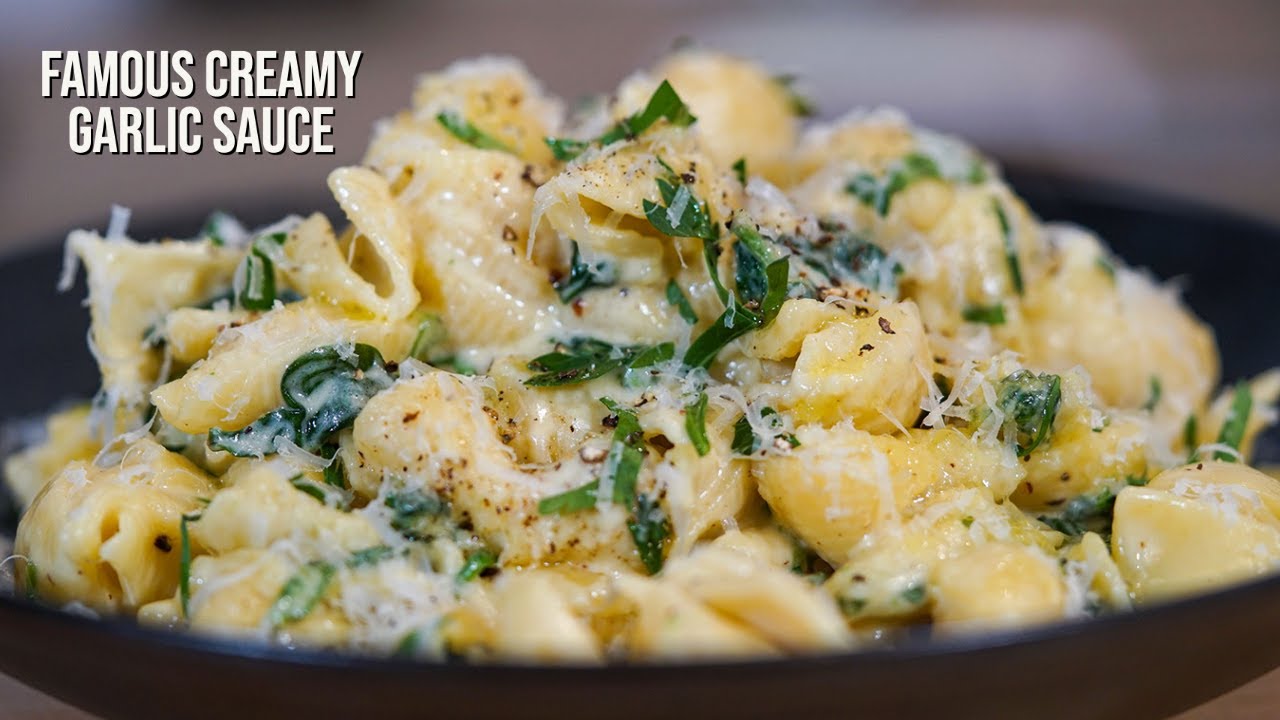
creamy garlic pasta recipe
If you’re craving comfort in a bowl, a creamy garlic pasta recipe is the perfect place to start. It’s quick, uses simple ingredients, and delivers restaurant-quality results with minimal fuss. In this guide, you’ll learn exactly how to make a silky sauce that clings to every strand of pasta, how to balance the garlic so it’s aromatic rather than harsh, and how to troubleshoot common pitfalls. Whether you’re feeding two on a weeknight or scaling up for friends, this creamy garlic pasta recipe will become a reliable favourite.
What makes a great creamy garlic pasta recipe?
At its heart, a great creamy garlic pasta recipe balances three things: texture, flavour, and timing. The texture should be luscious and glossy, never claggy or split. The flavour should be unmistakably garlicky but rounded, with enough salt and acidity to keep it lively. The timing matters because pasta and sauce must reach the finish line together—this is when the starch in the pasta water emulsifies with fat to create that sought-after silky coating.
The beauty of this dish is its versatility. You can make it with only a handful of ingredients or dress it up with mushrooms, chicken, prawns, or greens. It’s ready in around 20 minutes, and the base technique scales easily without becoming complicated.
Ingredients for a silky, reliable sauce
Core ingredients
- 200 g dried pasta (spaghetti, linguine, fettuccine, or short pasta like penne)
- 3–5 large garlic cloves, finely sliced or minced (adjust to taste)
- 20 g unsalted butter
- 1–2 tbsp extra-virgin olive oil
- 200 ml double cream (or 150 ml double cream + 50 ml milk)
- 35–50 g finely grated Parmesan or Pecorino Romano (freshly grated melts best)
- Freshly ground black pepper
- Sea salt, for water and seasoning
- Fresh parsley or chives, finely chopped (optional)
- Half a lemon, for finishing (zest and a squeeze of juice)
Optional add-ins
- 200 g mixed mushrooms, sliced
- Cooked chicken, shredded or diced (about 150–200 g)
- Spinach (2 big handfuls), peas (100 g), or tenderstem broccoli (chopped, 150 g)
- Prawns (peeled, raw or cooked), about 200 g
- Chilli flakes, to taste
Ingredient notes and swaps
- Cream: Double cream is most forgiving; single cream or crème fraîche also work but need gentler heat. Crème fraîche adds a pleasant tang.
- Cheese: Parmesan offers nutty sweetness; Pecorino is saltier and sharper. A 50:50 mix is lovely.
- Garlic: Fresh is best. For a milder sweetness, use roasted or confit garlic purée in place of some fresh cloves.
- Olive oil and butter: The blend helps raise the smoke point and adds roundness of flavour.
- Vegetarian: Use vegetarian Parmesan-style cheese.
- Vegan: Swap butter for olive oil or vegan butter; replace cream with a good unsweetened oat or cashew cream. Use nutritional yeast for savouriness or a vegan hard cheese.
- Gluten-free: Use a quality gluten-free pasta; consider adding an extra splash of cooking water to compensate for lower starch.
Step-by-step creamy garlic pasta recipe (stovetop, 20 minutes)
- Boil the pasta. Bring a large pot of well-salted water to the boil (it should taste as salty as the sea—about 1.5–2% salinity). Cook the pasta until just shy of al dente. Reserve at least 300 ml of the starchy cooking water before draining.
- Start the garlic base. While the pasta cooks, set a wide pan over medium heat. Add olive oil and butter. Once the butter foams, add the sliced garlic with a pinch of salt. Cook gently for 60–90 seconds, stirring, until fragrant and just turning pale gold. Do not brown the garlic for this creamy garlic pasta recipe, or it can go bitter.
- Optional aromatics and add-ins. If using mushrooms, sauté them now in the garlicky fat until they release moisture and develop colour (3–5 minutes). For chilli flakes, add a pinch at this stage.
- Build the emulsion. Pour in the cream and reduce the heat to low. Add a small ladle (about 60–80 ml) of reserved pasta water and simmer gently for 1–2 minutes, stirring. You’re looking for a light, glossy sauce—loose enough to coat the pan but not watery.
- Add the pasta. Tip the drained pasta into the sauce. Toss continuously over low heat for 1–2 minutes, adding more pasta water as needed to keep everything silky. The starches will emulsify with the fat and cream, forming a cohesive sauce that clings to the pasta.
- Finish with cheese and seasoning. Off the heat, sprinkle in the cheese in two batches, tossing well after each addition. Add black pepper and taste for salt. If it’s too thick, loosen with more pasta water; if too thin, simmer briefly. Brighten with lemon zest and a small squeeze of juice.
- Serve. Plate immediately, shower with herbs, and finish with extra cheese and pepper if you like. This creamy garlic pasta recipe is at its best right away.
Technique tips that elevate your creamy garlic pasta
Manage garlic like a pro
- Slice or mince? Sliced garlic cooks more evenly and releases flavour gently; minced or grated garlic is stronger and can burn quickly. For a balanced creamy garlic pasta recipe, try thin slices or a mix of 2 sliced cloves plus 1 finely minced.
- Heat control is key. Keep the pan on medium to medium-low; garlic should sizzle softly, never scorch.
- Try roasted or confit garlic for sweetness. Mash 1–2 cloves into the sauce for depth with zero harshness.
Pasta water is liquid gold
- Reserve more than you think you need. It’s the secret to adjusting consistency at the end.
- The starch in the water is what helps the sauce cling. Start with a small ladle; add more gradually.
- Save a final splash for the plate. Tossing with a tablespoon of hot pasta water right before serving can restore gloss if the pasta sits for a minute.
Cheese and emulsification
- Grate cheese finely so it melts evenly into the sauce.
- Add cheese off the heat to prevent splitting and graininess.
- Alternate cheese and pasta water to maintain a fluid, glossy emulsion.
Seasoning and finishing touches
- Salt the water generously; you’ll need less salt at the end.
- Lemon zest and a tiny squeeze of juice lift the richness without making the dish “lemony”.
- Black pepper adds warmth; white pepper gives a subtler heat. Chilli flakes provide a gentle kick.
- Fresh herbs (parsley, chives, basil) add colour and freshness to a creamy garlic pasta recipe.
Variations on the classic creamy garlic pasta recipe
Lemony spinach and pea
Add 100 g frozen peas to the pasta water 2 minutes before the pasta is done. Fold in two big handfuls of baby spinach when tossing the pasta with the sauce. Finish with extra lemon zest. This variation keeps the spirit of a creamy garlic pasta recipe but adds freshness and colour.


Chicken and mushroom
Brown 150–200 g sliced mushrooms after cooking the garlic. Add 150–200 g cooked chicken (shredded roast chicken works well) before the cream. This gives you a heartier creamy garlic pasta dish with savoury depth.
Roasted tomato and basil
Halve a handful of cherry tomatoes and roast at 200°C for 12–15 minutes with olive oil, salt, and pepper. Stir into the sauce at the end and scatter with torn basil. The acidity plays beautifully against the richness in a creamy garlic pasta recipe.
Dairy-free vegan
Use olive oil or vegan butter for the base, plus an unsweetened oat or cashew cream. Add 1–2 tsp white miso or a splash of soy sauce for umami. Finish with nutritional yeast or a good vegan hard cheese. You’ll get a satisfying, plant-based take on creamy garlic pasta.
Gluten-free
Choose a high-quality gluten-free pasta (corn-rice blends hold up well). Reduce vigorous tossing, and keep extra cooking water handy; gluten-free pasta can absorb liquid unevenly. With a little care, you can achieve the same glossy finish as any other creamy garlic pasta recipe.
Make-ahead, storage, and reheating
- Make-ahead: The sauce is quick and best made fresh. You can prep garlic, grate cheese, and measure cream in advance to save time.
- Storage: Refrigerate leftovers in an airtight container for up to 2 days. Creamy sauces thicken as they chill.
- Reheating: Reheat gently in a pan over low heat with a splash of water or milk to loosen, stirring until glossy. Avoid vigorous boiling which can split dairy.
- Freezing: Not ideal; dairy sauces can separate after thawing. If you must, undercook the pasta slightly and reheat very gently with extra liquid.
Nutrition and portion guidance
A standard portion is roughly 100 g dried pasta per adult. With cream and cheese, this is a richer dish, so consider balancing the meal with a crisp salad or steamed greens. Season pasta water sufficiently so you rely less on salt in the sauce. For general guidance on limiting sodium intake, see the NHS advice on reducing salt.
Common mistakes and how to fix them
- Garlic burnt or bitter: Lower the heat, and use sliced rather than grated garlic. If it’s already bitter, start the garlic step again; bitterness lingers.
- Split or greasy sauce: Cheese added on high heat can separate. Remove the pan from heat, whisk in a splash of pasta water, then add cheese gradually.
- Too thick and claggy: Loosen with hot pasta water and toss vigorously to re-emulsify. Add a squeeze of lemon to cut heaviness.
- Too thin: Simmer the sauce briefly to reduce, then finish off heat with cheese to thicken. Ensure pasta is very hot when combining.
- Under-seasoned: Salt your pasta water properly at the start. Finish with cheese and taste again before adding more salt.
- Pasta overcooked: Drain one minute before al dente so it finishes in the sauce, a crucial step in any creamy garlic pasta recipe.
Useful resources and further reading
For more ideas and techniques, you might find these references helpful. They cover complimentary methods and background that can improve your results with any creamy garlic pasta recipe:
- Background on al dente and pasta doneness to understand ideal bite and texture.
- Serious Eats’ method for garlic confit for a milder, sweeter garlic flavour option.
- BBC Good Food’s creamy garlic pasta for another trusted take on the dish.
Cultural notes and serving occasions
This dish is wonderfully adaptable for occasions: quick date-night meals, cosy Sunday suppers, or a crowd-pleasing side alongside grilled meats and salads. In some households, meatless pasta dishes feature during periods of abstinence or fasting. If you’re observing traditions with specific dietary rules, read up on Orthodox vs Catholic fasting traditions to see how dairy might fit (or need substituting) for your observance. A vegan version of this creamy garlic pasta recipe can be suitable for stricter fasts that exclude dairy.
When shopping Italian brands, you’ll sometimes see numberings on pasta shapes, occasionally in Roman numerals. If you’ve ever wondered about labels like “No. 16 (XVI)”, this quick refresher on XVI Roman numerals can help you decode packages and choose the right shape for your sauce.
Frequently asked questions about creamy garlic pasta recipe
Can I make a creamy garlic pasta recipe without cream?
Yes. Use whole milk with a teaspoon of cornflour to stabilise, or stir in mascarpone or crème fraîche off the heat. For a vegan option, use oat or cashew cream; add a touch of miso or nutritional yeast for savouriness.
How many garlic cloves should I use?
Three to five large cloves suit most tastes for a creamy garlic pasta recipe. If you love garlic, go up to six but cook on gentle heat and consider mixing in some roasted or confit garlic to avoid harshness.
What pasta shapes work best?
Long strands (spaghetti, linguine, fettuccine) give an elegant coating. Short shapes like penne or rigatoni are great if you add chunky mix-ins. The sauce is versatile—use your favourite.
Why did my sauce split after adding cheese?
Cheese can seize if the pan is too hot or if added all at once. Take the pan off heat, add cheese in small handfuls, and alternate with splashes of hot pasta water, tossing constantly.
Can I add protein to a creamy garlic pasta recipe?
Absolutely. Add cooked chicken, prawns, or crispy pancetta. If adding raw prawns, cook them in the garlicky oil before the cream so they’re just pink and tender.
How can I lighten the dish without losing creaminess?
Use half double cream and half milk, or swap in crème fraîche for tang. Add lemon zest and fresh herbs; include veg like peas and spinach. These tweaks make a fresher creamy garlic pasta recipe without sacrificing texture.
Conclusion on creamy garlic pasta recipe
Perfecting a creamy garlic pasta recipe is about mastering a few simple techniques: gentle heat for the garlic, generous seasoning of the water, and building a glossy emulsion with pasta water, cream, and cheese. Once those fundamentals click, you can scale the dish, swap ingredients, and tailor it to your taste and dietary needs.
From the classic version with butter, cream, and Parmesan to bright variations with lemon, veg, or mushrooms, each take retains the core pleasures of creamy garlic pasta—silky texture, balanced flavour, and satisfying comfort. With the step-by-step method and tips outlined here, you’ll turn out a consistent, restaurant-quality creamy garlic pasta recipe any night of the week.
Keep experimenting with add-ins, try different cheeses, and don’t forget those finishing touches of pepper, herbs, and a hint of lemon. The result is a dependable, delicious staple you’ll return to again and again.
