Cornmeal for ants: essential, practical guide with 5 key tips
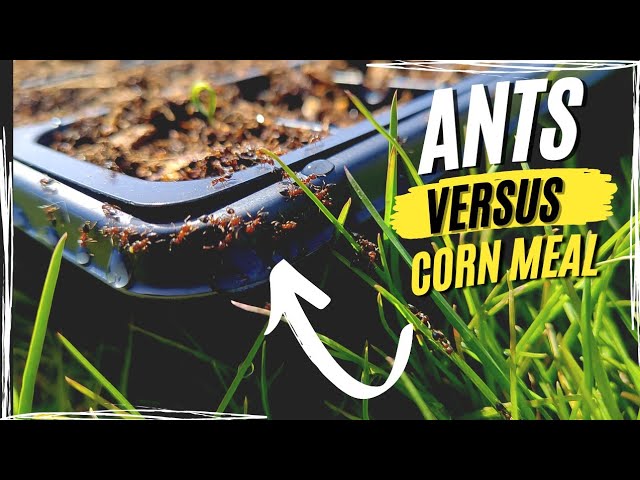
Cornmeal for ants: does it work, and how to use it safely?
If you have stumbled upon a trail of tiny foragers in your kitchen or garden, you may have come across the old tip of using cornmeal for ants. It’s a popular home remedy, but does it actually work, and if so, how should you use it responsibly? In this guide, we explore the facts, the myths, and practical steps to help you manage ant problems with a clear, safe, and effective approach.
Below you will find a comprehensive look at cornmeal for ants, including when it makes sense, when it doesn’t, and what alternatives might fit better into a thoughtful, eco-conscious pest control plan. We’ll also touch on integrated pest management, safety considerations for children and pets, and how to measure results without wasting time or effort.
What people mean by cornmeal for ants
When people mention cornmeal for ants, they usually mean one of two things. First, some believe that plain cornmeal on its own will kill ants because the insects supposedly can’t digest it. Second, others use cornmeal as a food carrier or bait base, mixing it with a slow-acting active ingredient to create a homemade bait that worker ants carry back to the nest. It’s important to separate these ideas, because they lead to very different outcomes.
Plain cornmeal is not an insecticide. On its own, it rarely resolves an infestation. However, as part of a bait strategy—particularly for ant species that prefer carbohydrate- or grease-rich foods—cornmeal can sometimes serve as a palatable component in a broader, well-planned approach. That approach should include proper sanitation, sealing entry points, choosing the right bait for the ant species, and placing it carefully where ants are active but out of reach of children and pets.


Cornmeal for ants: myth versus evidence
A long-standing myth claims that ants eat the grains, swell, and die because they cannot digest cornmeal. Research and reputable guidance do not support this. Many ant species have varied diets, and their workers often feed on liquids rather than solids, passing nutrients to the colony as liquid food. Simply sprinkling cornmeal will not make a colony “explode” or vanish overnight.
If you are looking for evidence-based guidance that goes beyond folklore, resources like the University of California Statewide Integrated Pest Management Programme provide practical, proven strategies. See their detailed advice here: UC IPM guide to ants in and around the home. For UK-specific outdoor guidance, the Royal Horticultural Society outlines how to manage ants in gardens without unnecessary harm: RHS advice on ants in the garden. And to understand why some widely circulated claims don’t hold up, you can read a clear debunk here: Snopes: Do grits or cornmeal kill ants?.
Why the “exploding ant” idea persists
Household myths stick around for three reasons: they are simple, they feel harmless, and sometimes they appear to work by coincidence. If a colony naturally dwindles after you lay down cornmeal, it is easy to credit the cornmeal. In reality, ant colonies often move or reduce activity for unrelated reasons, such as changes in weather, food supply, or disturbance. Evidence-based methods rely on understanding ant biology and targeting the queen and the brood—something plain cornmeal will not do.
What cornmeal can actually do
Although cornmeal for ants is not a direct killer, it may serve as a food carrier in a bait mixture. For some species that scavenge for carbohydrate or fat-rich foods, a cornmeal blend can be attractive. Mixed with a safe, slow-acting active ingredient in very low concentration, it becomes a bait that foragers can carry back to the nest, helping to affect the queen and larvae. This must be done with caution, and commercial baits are usually a better-tested and safer route. Still, if you choose to experiment, treat cornmeal as the “food” in a bait, not the “poison”.
How to use cornmeal for ants within a proper IPM plan
Integrated Pest Management (IPM) focuses on long-term prevention and targeted control, using the least risky methods first. If you decide to include cornmeal for ants as part of your IPM, do so alongside solid fundamentals:
- Identify the ant species if possible. Some ants prefer sweet foods, others prefer proteins or fats. The wrong bait base will fail.
- Improve sanitation. Wipe up spills, store foods in sealed containers, and keep pet food areas tidy.
- Remove competing food sources so ants focus on your bait stations rather than crumbs or fruit.
- Seal obvious entry points with caulk or weatherstripping where feasible.
- Use bait, not sprays, for indoor infestations. Sprays can kill foragers but leave the colony intact, and may even cause colonies to bud and spread.
Simple baiting concept using cornmeal
If you opt to test a bait approach with cornmeal for ants, keep it minimal and safe. Remember: in the UK, commercial products have been tested for efficacy and labelled for safe use. Home mixtures carry risk and uncertainty. If you still proceed, consider the following general outline and check local guidance before using any chemical substances.
- Choose a food base: cornmeal moistened with a tiny amount of vegetable oil for grease-feeding ants; or a syrup solution for sugar-feeders. You can test which they prefer by offering small samples on card: one sweet (syrup), one oily (cornmeal plus a drop of oil), and observe which attracts more ants over 24 hours.
- Select a slow-acting active ingredient and keep its concentration very low. Many commercial baits use proprietary formulations that are safer and more consistent than anything homemade. If in doubt, opt for a ready-made ant bait specifically labelled for indoor use and the target species.
- Place the bait in small, covered stations (for example, a lidded container with pinholes), not loose on surfaces. This reduces the risk to children, pets, and non-target wildlife.
- Position stations along foraging trails and near entry points, but out of direct sunlight and away from areas accessible to pets or children.
- Be patient. Effective baits work over days to weeks. Do not clean away the trail while baiting; allow workers to recruit others and carry bait back to the nest.
- Refresh the bait every 7–10 days or sooner if it dries out or becomes contaminated. Label the date on the station so you can monitor cycles. If you ever mark cycles with numerals and need a refresher, you might find this guide to Roman numerals handy for neat record-keeping.
Throughout the process, steer clear of zero-tolerance cleaning of the exact trail while baiting is active. You want the ants to keep finding the bait. Once you see activity fall for several days in a row, you can remove stations and step up exclusion and cleaning to prevent re-infestation.
Where to place bait stations
Follow the ants. Stations should be placed directly on foraging trails, near entry points such as skirting boards, gaps by pipes, or cable penetrations. Outdoors, try shady spots along the foundation where ants move. In gardens, position baits away from where pollinators visit, and use covered stations to protect non-target insects and pets. Avoid placing bait on porous, damp soil that will degrade it rapidly.
How much bait to use and when to stop
Less is more. A few small stations are safer and often more effective than a large heap. If after two to three weeks there is no reduction in activity, reconsider your approach: the bait base might not match the colony’s preference; the concentration may be wrong; or you may be dealing with multiple colonies. This is also the point to consider a commercial, species-specific bait or professional help.
Comparing cornmeal for ants with commercial baits
Commercial baits are tested for palatability and active ingredient balance. They are labelled for specific settings (indoors, outdoors) and species or groups of species. While cornmeal for ants can function as a DIY bait base for some species, it is rarely as reliable as a product designed for the purpose. If you want to maximise your chances of success and minimise risk, follow product labels and place baits in tamper-resistant stations as directed.
In the UK, you can also refer to professional advice from the British Pest Control Association if a problem escalates: BPCA advice on ant control and when to call a professional. If you prefer a home-first approach, use IPM techniques, consider a reputable ant bait, and treat cornmeal as a supplement rather than the core solution.
Safety, pets, and environmental considerations
Even when using food-grade materials like cornmeal, the overall bait mixture and its placement matter greatly. Keep all baits—homemade or commercial—out of reach of children and pets. Use covered stations and label them clearly. Do not place bait on food preparation surfaces. Wash hands after handling bait stations.
Outdoors, choose station designs that reduce access by non-target insects and wildlife. In gardens, avoid placing bait near flowering plants that attract pollinators. If you use commercial products, always follow the label. Avoid routine perimeter spraying, which may offer short-lived relief but carries greater environmental impact and can disrupt beneficial insects.
Prevention: making your home less attractive
Prevention often trumps cure. Ants come indoors for food, water, and shelter. A few tweaks can drastically reduce their incentive to visit:
- Wipe counters and sweep floors regularly, especially after meals.
- Store sugar, cereals, and pet food in airtight containers.
- Fix dripping taps and wipe away standing water.
- Seal cracks and gaps where possible, particularly around doors, windows, and service penetrations.
- Keep the outside perimeter tidy—trim vegetation away from walls and reduce clutter that shelters nests.
If the scale of your infestation is, in a word, “numerous”, it can help to keep notes on what you observe and when. If you’re looking to vary your vocabulary when describing the size of the problem in messages to a professional, this quick reference on synonyms for numerous may be handy for clear communication.
Common mistakes to avoid
- Relying entirely on cornmeal for ants and expecting quick elimination. It may supplement a plan, but it is not a silver bullet.
- Spraying along trails while simultaneously baiting. This can discourage foraging and reduce bait uptake.
- Using too strong a concentration of active ingredient in homemade baits. Overly potent baits can repel ants or kill workers before they share food with the colony.
- Placing bait where pets or children can access it. Always use covered stations.
- Failing to remove alternative food sources. Ants will choose the easiest meal available—which may not be your bait.
Measuring results and deciding next steps
Track activity for two to three weeks. You should see fewer foragers, less trail intensity, and reduced entry into the house. If improvement stalls, try a different bait base (sweet versus oily), change station positions, or switch to a reputable commercial bait suited to your species. In some cases—especially with multiple nests or species—professional assessment is the most efficient option.
Recommended external resources
- UC IPM Pest Notes: Ants—identification, baiting, and prevention
- Royal Horticultural Society advice on ants in gardens
- British Pest Control Association guidance on ant control
- Evidence-based explanation of the grits/cornmeal myth
Frequently asked questions about cornmeal for ants
Will cornmeal for ants kill a colony on its own?
No. Plain cornmeal does not kill ants. Some workers may carry pieces, but it does not poison the colony or make ants “explode”. If you use cornmeal at all, it should be part of a carefully designed bait strategy, and even then, commercial baits are generally more reliable.
Is cornmeal safe to use around pets and children?
Cornmeal itself is a food product, but bait mixtures and station placement require care. Always use covered bait stations and place them out of reach. If you use any active ingredient, however low the concentration, follow safety guidance and consider a vetted commercial bait instead of DIY mixing.
Which ant species might be interested in cornmeal-based baits?
It varies. Some ants are drawn to carbohydrate or grease-rich foods, while others seek proteins. Species such as Argentine ants often prefer sweets, whereas some house-invading ants will switch preferences seasonally. Test small samples (sweet versus oily) and observe which is more popular before committing to a plan.
How long does it take a bait strategy to work?
With the right bait, expect noticeable changes within 7–14 days, but full control can take several weeks, especially with large or multiple colonies. Be patient and avoid disturbing active trails while the bait is being carried back to the nest.
Should I spray along trails while using cornmeal for ants?
No. Sprays can kill visible workers but interfere with bait uptake and may cause colony splitting. If you are baiting, avoid spraying the same areas. Clean up only after bait activity declines and you’re ready to move into a prevention phase.
Can I just block their entry points and skip baiting?
Sealing entry points is an excellent prevention step, but established colonies will often find new routes. Baiting helps reduce pressure from the colony itself. Ideally, combine both: use bait to address the source, then seal and maintain good sanitation.
Does cornmeal for ants work outdoors in the garden?
Outdoors, cornmeal on its own will not eliminate nests. If you use bait outdoors, keep it in covered stations to protect non-targets and place it along trails. However, in many garden settings, ants are more of a nuisance than a threat to plants, and you may be better off using non-chemical methods and tolerating low levels of activity, as the RHS guidance suggests.
Conclusion on cornmeal for ants
The idea of simply sprinkling cornmeal for ants and watching the problem vanish is appealing—but it is a myth. Plain cornmeal is not an ant-killing agent. Where cornmeal can play a role is as a potential bait base within an integrated pest management plan. Even then, results vary by species and conditions, and commercial, well-tested baits typically perform more consistently and safely.
If you decide to use cornmeal for ants, treat it as one small part of a larger strategy: identify the ants’ food preferences, reduce competing food sources, place bait in covered stations along active trails, and be patient. Prioritise safety by keeping all baits away from children and pets, and remember that prevention—cleanliness, sealing entry points, and outdoor tidiness—is often the most effective long-term solution.
Ultimately, the best approach is evidence-based and practical. Use reputable guidance, such as the UC IPM and RHS resources, and consider professional assistance if activity persists. With clear expectations and careful method, you can decide whether cornmeal for ants fits your plan—or whether a targeted commercial bait or professional service will save you time and effort.
