Corn milk recipe: essential, simple guide in 5 easy steps
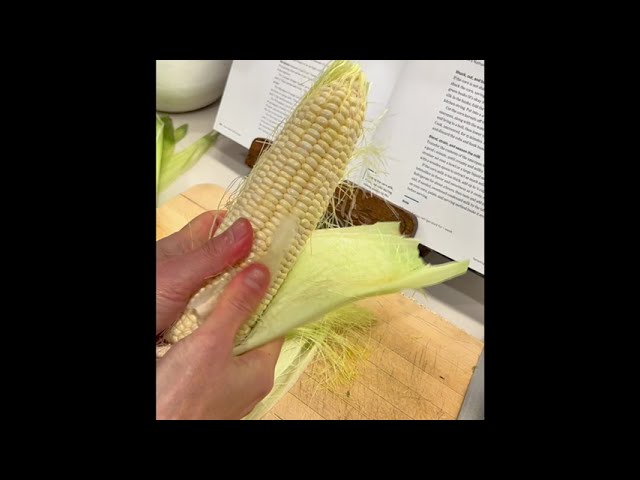
corn milk recipe: simple, creamy and versatile
If you have ever fancied a naturally sweet, dairy-free drink that is both comforting and refreshing, a corn milk recipe is a brilliant place to start. This golden beverage, made from fresh or frozen sweetcorn, delivers a silky texture and gentle sweetness without the need for dairy. It is easy to prepare at home, budget-friendly, and adaptable to both sweet and savoury uses.
In this guide, you will learn exactly how to make a corn milk recipe with clear, step-by-step instructions, clever variations, and practical tips on storage, nutrition, and serving ideas. Whether you prefer it chilled with a dusting of cinnamon, warm and spiced on a cool evening, or blended into smoothies and baking, this technique will give you reliable, delicious results.
What is corn milk and why this corn milk recipe works
Corn milk is a smooth, plant-based drink made by blending corn kernels with water, then straining to remove the solids. The result is a naturally sweet liquid with a gentle corn aroma and a creamy mouthfeel. Unlike many nut or grain milks, corn contributes both natural sugars and starch, which—when lightly heated—help create body and a luscious texture. This corn milk recipe works because it balances the ratio of kernels to water, uses warmth for optimal extraction, and shows you how to strain properly for a velvety finish.
Think of it as a versatile base: enjoy it on its own, use it as the liquid in porridge, brighten a smoothie, or transform it into desserts and sauces. This corn milk recipe also provides two approaches—raw-blended and gently cooked—so you can choose the flavour and thickness you prefer.


Ingredients for the corn milk recipe
Great corn milk starts with good corn. Fresh, in-season sweetcorn will give you the brightest flavour, but high-quality frozen sweetcorn works beautifully too. Below is a base formula for about 1 litre of corn milk; scale up or down as needed. This corn milk recipe keeps things simple, with optional add-ins to nudge it sweet or savoury.
- Fresh sweetcorn kernels from 4 large cobs (about 500 g kernels), or 500 g frozen sweetcorn
- 900–1,100 ml filtered water (less for richer milk, more for lighter)
- Pinch of fine sea salt (enhances sweetness and flavour)
- Optional sweeteners: 1–3 tbsp maple syrup, sugar, agave, or honey (non-vegan)
- Optional flavourings: 1 tsp vanilla extract, a pinch of cinnamon or nutmeg, a slice of fresh ginger, or a strip of lemon zest
- Optional enrichers: 2 tbsp soaked cashews or 2 tbsp rolled oats for extra creaminess
Note: If you use fresh cobs, keep the stripped cobs—they are flavour bombs for stocks and can be simmered in water to make a fragrant base for soups and sauces.
Step-by-step corn milk recipe
Below you will find two methods. The raw method delivers a brighter, fresher flavour with a lighter body. The cooked method enhances sweetness and body thanks to gentle heat unlocking corn’s starches. Choose the approach that fits your tastes and schedule.
Equipment
- Blender (a high-speed blender gives the smoothest result, but any decent blender works)
- Fine-mesh sieve, cheesecloth, or a nut-milk bag for straining
- Large bowl or jug
- Medium saucepan (for the cooked method)
- Bottles or jars for storage
Method A: Raw-blended (freshest flavour)
- Prepare the corn: If using fresh cobs, shuck and remove silk. Stand the cob upright in a wide bowl and slice off kernels with a sharp knife. For frozen corn, thaw under cool running water and drain.
- Blend: Add kernels, 900 ml water, a pinch of salt, and any optional flavourings to the blender. Blend on high for 60–90 seconds until thoroughly pulverised. If you are enriching with cashews or oats, add them now and blend for up to 2 minutes.
- Strain: Place a nut-milk bag, double layer of cheesecloth, or fine sieve over a large jug or bowl. Pour the blended mixture through. Squeeze or press firmly to extract as much liquid as possible. This step is crucial for a silky corn milk recipe that feels luxurious rather than gritty.
- Adjust: Taste. For a richer texture, whisk in an extra 1–2 tbsp of blended pulp or simmer briefly (see Method B’s heating step). For a lighter drink, stir in up to 200 ml more water. Sweeten to taste.
- Chill: Transfer to bottles and refrigerate for at least 2 hours to develop flavour and body.
Method B: Gently cooked (creamier, rounder flavour)
- Pre-soften (optional but helpful): Simmer kernels in 500 ml water for 3–5 minutes to soften and brighten flavour. Drain (keep the cooking liquid), then cool slightly.
- Blend: Add kernels to the blender with 900 ml total liquid (use the reserved cooking liquid plus additional water), salt, and optional flavourings. Blend until completely smooth.
- Strain: Strain as above through a nut-milk bag or fine sieve. Rinse the blender jug (helps reduce foam) and return the strained milk to it.
- Heat to thicken: Pour the strained milk into a saucepan. Warm over medium-low heat, stirring, until steaming and slightly thickened, about 5–8 minutes. Avoid a full boil—gentle heat keeps flavours delicate and prevents scorching. This simple heating step is what sets this corn milk recipe apart for a creamy, cohesive result.
- Finish and chill: Sweeten to taste, then cool quickly (you can set the pan in a cold-water bath) and refrigerate. Shake before serving.
Yield and consistency
You should end up with roughly 900–1,100 ml of corn milk. For a richer, more “barista” texture, reduce the water by 100–200 ml or add the optional cashews/oats. For a light breakfast drink, increase water by up to 200 ml. Either way, shake before pouring—natural separation is normal.
Measuring accurately
Accurate measurement makes a noticeable difference to texture. If you are working from a vintage jug or older recipe books with Roman numerals on the pages, this quick refresher on numerals can help avoid confusion: simple guide to Roman numerals.
Variations and flavour ideas for your corn milk recipe
One of the joys of a corn milk recipe is how easily it adapts. Start with the base and then tweak the flavour profile to suit your mood, the season, or the dish you are pairing it with.
- Classic vanilla-cinnamon: Add 1 tsp vanilla and a pinch of cinnamon or nutmeg at the blending stage. Sweeten lightly with maple syrup.
- Zesty ginger-lime: Blend with a coin of fresh ginger and finish with a small squeeze of lime to balance sweetness.
- Lightly salted (for savoury dishes): Skip sweetener and add an extra pinch of salt. Use in soups, chowders, or savoury porridge.
- Toasted corn depth: Lightly roast kernels in a dry pan until just golden before blending. This deepens flavour and creates a richer hue.
- Cashew creaminess: Add 2 tbsp soaked cashews when blending for a fuller, more velvety body—excellent for coffee or tea.
- Spiced winter warmer: Simmer strained milk with a cinnamon stick, cardamom pod, and star anise for 5 minutes; sweeten to taste.
- Tropical twist: Replace part of the water with coconut water and add a splash of coconut milk for a holiday vibe.
If you blog or write menus and want to keep descriptions fresh, word choice matters. For instance, when you are describing multiple serving options, a handy resource on alternatives can be helpful: see this brief guide to a numerous synonym to vary your phrasing without repeating yourself.
Nutrition, benefits and who it suits
Corn milk is naturally dairy-free and can be suitable for vegans if you choose plant-based sweeteners and avoid honey. It contains some carbohydrates from the corn, small amounts of fibre (especially if you stir a little pulp back in), and micronutrients such as B vitamins and minerals. For an accessible overview of sweetcorn’s nutritional profile and benefits, see BBC Good Food on the health benefits of sweetcorn.
If you are exploring alternatives to dairy, corn milk sits comfortably alongside oat, almond and rice milks. Each plant milk has its own texture, flavour and best uses; this overview of plant milks explains how they differ and where each tends to shine.
Allergens to consider: corn is naturally gluten-free, but if you add oats for creaminess and need to avoid gluten, choose certified gluten-free oats. As always, check any flavourings or sweeteners for allergens or processing notes relevant to your diet.
Serving suggestions and ways to use corn milk
Use this corn milk recipe as a versatile base drink and as an ingredient in both sweet and savoury dishes. Here are some ideas to get you started:
- Chilled and spiced: Serve cold with cinnamon and a twist of lemon zest.
- Warm comfort: Heat gently with vanilla and a touch of sugar for a soothing evening drink.
- Breakfast bowl: Pour over granola, muesli, or warm porridge for natural sweetness.
- Smoothies: Blend with banana, mango, or pineapple for a silky tropical smoothie.
- Coffee or tea: Use the thicker version (with cashews or a little less water) to add gentle sweetness to coffee or black tea.
- Puddings and bakes: Use as part of the liquid in custards, panna cotta, cornbread, or cake batters for subtle flavour.
- Savory soups: Substitute part of the stock in corn chowder or pumpkin soup to add body and a corn note.
- Ice lollies: Freeze lightly sweetened corn milk with fruit purée for refreshing lollies.
Storage, food safety and make-ahead
Homemade corn milk is at its best within 3–4 days when stored in a clean, airtight bottle in the refrigerator. Shake well before pouring. If separation occurs, it is normal—simply swirl or shake to recombine. For food safety pointers on chilling and reheating homemade drinks and leftovers, consult the NHS guidance on storing food and leftovers safely.
Freezing: Corn milk freezes surprisingly well. Pour into ice-cube trays, freeze until solid, then transfer to a freezer bag; use within 3 months. Thaw overnight in the fridge and shake vigorously. Freezing is particularly handy if you only use small amounts in coffee or cooking.
Common mistakes and how to fix them
Because this drink is so simple, small tweaks make a big difference. Here are typical missteps and simple solutions:
- Gritty texture: Blend longer and strain through a nut-milk bag or double cheesecloth. Warm water (not boiling) helps extraction.
- Too thin: Reduce water by 100–200 ml next time, or simmer the strained milk for a few minutes until it lightly coats a spoon.
- Too sweet: Add a pinch of salt to balance, or dilute with a little water. A splash of lime juice can also brighten and temper sweetness.
- Scorched flavour: Use medium-low heat and stir regularly. A heavy-bottomed pan is your friend.
- Flat flavour: Choose sweeter corn, toast the kernels lightly before blending, or add a pinch more salt and a drop of vanilla.
Troubleshooting your corn milk recipe
If the first attempt at a corn milk recipe is not quite what you pictured, do not worry. Adjusting the water ratio, blending time, and heat solves most issues. Here are targeted fixes:
- Separation in the fridge: Natural and harmless. Shake before pouring. For extra stability, blend 1 tsp sunflower lecithin into 1 litre of milk.
- Pale colour: Use yellow sweetcorn rather than white; toast some kernels lightly to deepen the hue.
- Weak corn flavour: Use fresh, in-season corn where possible; reduce water slightly and warm the strained milk for a few minutes.
- Lacks body in coffee: Add the optional cashews or 1 tbsp rolled oats during blending, or simmer briefly to thicken.
Sustainability, shopping and smart substitutions
Choose local, in-season sweetcorn when available—British sweetcorn is at its best from late summer into early autumn. Flash-frozen kernels are an excellent year-round alternative. If you buy fresh, keep the cobs: simmer them with onion ends and herb stalks to make a fragrant stock for soups, or stash them in the freezer for later.
Do not discard the strained pulp. It is full of flavour and can enrich other dishes: fold into cornbread or pancakes, stir into vegetable fritters, add to veggie burger mix, or use it to thicken soups. A sustainable corn milk recipe makes use of every bit of the ingredient.
Key tips for consistent results
- Warmth helps: Blending with warm (not hot) water can coax more sweetness and flavour from the kernels.
- Strain well: A nut-milk bag gives the smoothest texture. If using a sieve, press gently and strain twice.
- Salt matters: A tiny pinch of salt enhances sweetness and makes flavours pop—do not skip it.
- Taste and adjust: Sweetness varies with corn varieties and age. Always taste and tweak before bottling.
- Label and date: Especially if you batch-cook. Most homemade corn milk keeps 3–4 days in the fridge.
External links and helpful context
For more background and complementary reading, you may find these resources useful while you perfect your corn milk recipe:
- BBC Good Food: health benefits of sweetcorn
- Wikipedia: overview of plant milks and how they compare
- NHS: how to store food and leftovers safely
Frequently asked questions about corn milk recipe
Is this corn milk recipe better with fresh or frozen sweetcorn?
Both work well. Fresh, in-season corn offers the brightest flavour. Frozen is picked and frozen at peak ripeness, so it is a reliable, convenient choice year-round.
