Catholic prayer to the blessed virgin mary: essential guide, 5 keys
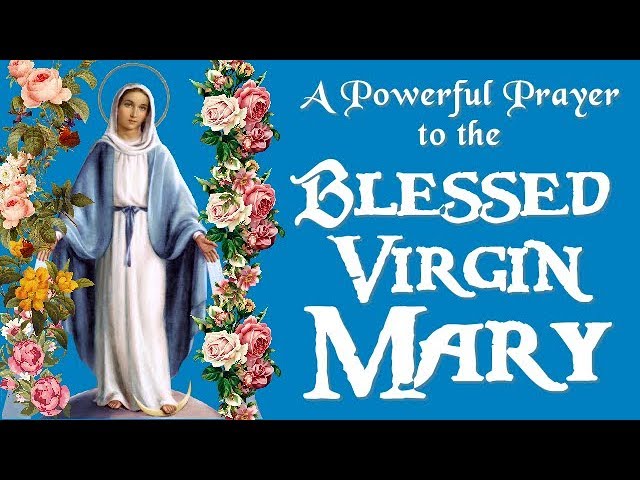
catholic prayer to the blessed virgin mary
A catholic prayer to the blessed virgin mary is a simple, heartfelt way of asking the Mother of Jesus to pray with us and for us. For many believers, it is a pathway to peace, a practice that strengthens faith, and a gentle reminder that God draws close through the family of the Church. Whether you are returning to prayer, learning about Marian devotion for the first time, or seeking to deepen your spiritual life, this guide will help you understand the meaning, forms, and best practices of praying with Mary.
In the Catholic tradition, a catholic prayer to the blessed virgin mary complements our direct prayer to God by asking for Mary’s intercession. It is not about placing Mary above Christ, but about following Scripture’s call to honour the mother of the Lord and to learn from her example of trust, humility, and obedience.
What does catholic prayer to the blessed virgin mary mean?
At its heart, a catholic prayer to the blessed virgin mary is an act of veneration, not worship. Catholics believe that God alone is adored. Mary is honoured as the Mother of God (Theotokos) and as the first disciple who said “yes” to God’s plan. When we turn to her, we are asking her to intercede—to pray with us and for us—so that we may grow closer to Jesus.
- Veneration vs. worship: Catholics reserve adoration for God alone. Mary receives special honour (traditionally called “hyperdulia”), recognising her unique role in salvation history.
- Intercession: Just as we ask friends to pray for us, we ask Mary to pray for us. This is part of the “communion of saints”, the spiritual family of believers in heaven and on earth.
- Imitation: Mary models faith, courage, and love. A catholic prayer to the blessed virgin mary often includes a desire to imitate her virtues.
Importantly, to pray with Mary is to be drawn into the life of Christ. She always points to him—“Do whatever he tells you” (John 2:5). A healthy Marian devotion keeps Jesus at the centre.

Biblical and historical roots of Marian prayer
The foundations of Marian prayer are biblical and early. In Luke’s Gospel, the angel Gabriel greets Mary, “Hail, full of grace” (Luke 1:28), and Elizabeth, inspired by the Holy Spirit, calls her “blessed” (Luke 1:42). Mary herself proclaims, “All generations will call me blessed” (Luke 1:48). These texts helped shape the language and theology of the Hail Mary, the most recognisable catholic prayer to the blessed virgin mary.
Historically, Christians have asked for the prayers of saints since the earliest centuries. The titles given to Mary—Mother of God, New Eve, Ark of the New Covenant—reflect the Church’s meditation on Scripture and the mystery of the Incarnation. For a brief and authoritative overview, see the Catechism’s section on Mary as Mother of Christ and Mother of the Church at the Catechism of the Catholic Church (CCC 963–975).
When Catholics pray with Mary, they are stepping into a long tradition of faith that unites Scripture, liturgy, and the lived devotion of countless believers.
Core forms of catholic prayer to the blessed virgin mary
The Hail Mary
The Hail Mary is the best-known catholic prayer to the blessed virgin mary. Its first half is drawn directly from Luke’s Gospel (“Hail Mary, full of grace… Blessed are you among women…”). The second half is a petition developed by the Church: “Holy Mary, Mother of God, pray for us sinners, now and at the hour of our death.” This simple prayer can be used on its own or woven into other devotions.
The Rosary
The Holy Rosary strings together sets of Hail Marys while meditating on the life, death, and resurrection of Jesus. It is a contemplative, Scripture-based form of catholic prayer to the blessed virgin mary, guiding mind and heart through the mysteries of Christ. Traditionally, the mysteries are:
- Joyful (e.g., the Annunciation, the Nativity)
- Sorrowful (e.g., the Agony in the Garden, the Crucifixion)
- Glorious (e.g., the Resurrection, the Coronation of Mary)
- Luminous (e.g., the Baptism in the Jordan, the Institution of the Eucharist)
If you are new to the Rosary, a clear step-by-step guide is available from the United States Conference of Catholic Bishops: How to pray the Rosary. It explains the beads, prayers, and meditations in a way that’s easy to follow.
The Angelus and the Regina Caeli
The Angelus is a short devotion traditionally prayed morning, midday, and evening, recalling the Incarnation (“The angel of the Lord declared unto Mary…”). During the Easter season, it is replaced by the joyful Regina Caeli. Both prayers keep our attention on Christ while honouring Mary’s role in salvation history. They are ideal for building a rhythm of catholic prayer to the blessed virgin mary into everyday life.
The Memorare
The Memorare is a beloved, brief prayer of trust in Mary’s intercession. It begins, “Remember, O most gracious Virgin Mary…” and is often prayed in urgent needs. You can find the traditional text at EWTN’s page for the Memorare. Many people learn it by heart to make a quick, sincere plea amid stress or uncertainty.
Salve Regina and the Litany of Loreto
The Salve Regina (“Hail, Holy Queen”) and the Litany of Loreto are poetic, time-honoured prayers that gather up biblical titles and imagery for Mary. They are used in the Rosary, in night prayer, and in special devotions. They remind us that a catholic prayer to the blessed virgin mary flourishes in the wider life of the Church—at home, in small groups, and in parish settings.
How to begin a simple catholic prayer to the blessed virgin mary
If you feel unsure where to start, keep it simple. Prayer is a relationship before it is a routine. Here’s a gentle approach:
- Create a quiet moment: Sit or kneel comfortably. Take a few deep breaths to settle your mind before beginning your catholic prayer to the blessed virgin mary.
- Sign of the cross: Begin in the name of the Father, and of the Son, and of the Holy Spirit, remembering that Mary always leads us to Christ.
- Choose a form: Pray one Hail Mary, say the Memorare, or begin a decade of the Rosary. A short form is perfectly valid.
- Speak from the heart: Add your own words—what you are grateful for, what worries you, who you are praying for.
- Unite your prayer with Jesus: Conclude with the Our Father or a brief act of trust in God’s will, since all Marian prayer is Christ-centred.
- Be consistent: A regular habit—five minutes daily—will shape your faith more than occasional long sessions.
Here is a simple example you can adapt: “Mother Mary, I place this day in your hands. Please pray for me, that I may follow your Son with courage and peace. Amen.” This short catholic prayer to the blessed virgin mary may be spoken quietly at your bedside, on a walk, or during a break at work.
When to use a catholic prayer to the blessed virgin mary
Mary’s presence is gentle and steady. You can incorporate a catholic prayer to the blessed virgin mary into many moments of your life:
- Morning offering: Ask Mary to help you live the day faithfully.
- Stressful moments: Whisper the Memorare or a single Hail Mary before a meeting, exam, or difficult conversation.
- Family time: Pray one decade of the Rosary together in the evening; children often learn quickly by imitation.
- Times of grief or illness: Turn to Mary at the foot of the cross; she stands with all who suffer.
- Liturgical seasons: In May (traditionally Mary’s month) and in October (the month of the Rosary), many parishes encourage extra Marian devotions.
- Before travel or decisions: Ask for wisdom and protection through a brief catholic prayer to the blessed virgin mary.
Praying with Scripture and the Rosary
The Rosary is a powerful way to weave Scripture into prayer. As you pray, picture each mystery: Mary hearing the angel’s message, Joseph protecting the Holy Family, Jesus healing, teaching, and giving himself on the cross. A scriptural Rosary—adding a short verse before each Hail Mary—can deepen your meditation and strengthen your catholic prayer to the blessed virgin mary. If you need a guide, the USCCB’s How to pray the Rosary is clear and practical.
Common mistakes to avoid with catholic prayer to the blessed virgin mary
- Treating prayer like magic: Prayers are not spells. God is not manipulated by formulas. More words do not mean more power; sincerity matters most.
- Forgetting Jesus: Marian prayer should lead you to Christ. If Mary is the window, Jesus is the light shining through it.
- Rushing: Slow down. Savour each phrase. Rest in silence for a moment after you finish.
- Overcomplicating: Start simply. One Hail Mary prayed with attention is better than many said distractedly.
- Praying alone only: Community nourishes devotion. Consider a parish Rosary group or a family routine.
- Giving up too soon: Habits take time. Even if you miss a day, begin again; a faithful rhythm will grow.
Differences and shared ground with other Christians
Many Christians share a love for Mary, though practices vary. The Catholic Church and the Orthodox Churches both honour Mary deeply and ask for her intercession, while many Protestants emphasise learning from Mary’s example without formal devotions. To understand the broader context, you may find this overview of differences between Orthodox and Catholic helpful. Wherever we begin, a respectful conversation about faith can clarify concerns and build unity around our common love for Jesus.
If you are introducing friends or family to a catholic prayer to the blessed virgin mary, keep the tone warm and scriptural. Emphasise that asking Mary to pray with us is inseparable from a life rooted in Christ and his Gospel.
Related devotions and next steps
As your prayer life develops, you might explore complementary devotions. Many people who love the Rosary also pray the Divine Mercy Chaplet prayer, a brief, Christ-centred devotion focused on God’s mercy. Others study Marian consecration (a personal act of entrusting oneself to Jesus through Mary) or wear the Brown Scapular as a sign of commitment. Choose practices that genuinely help you love God and neighbour more; that is the measure of any catholic prayer to the blessed virgin mary.
Finally, consider keeping a simple prayer journal to note intentions and moments of grace. Over time, you may see how regular prayer—especially when it includes Mary’s motherly help—shapes your character and deepens your trust in God.
Recommended external resources
- Catechism of the Catholic Church on Mary (CCC 963–975) – official teaching on Mary’s role and intercession.
