Best way to make oatmeal: 7 essential, simple steps – a complete guide
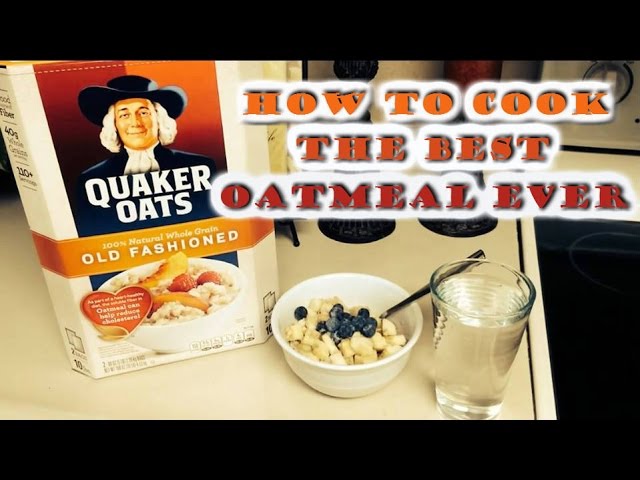
best way to make oatmeal
If you enjoy a warm, nourishing breakfast that’s quick, affordable and endlessly adaptable, you’ve likely wondered about the best way to make oatmeal. Whether you call it oatmeal or porridge, mastering a reliable method gives you a creamy bowl every time, sets you up for the day, and helps you tailor flavour, texture and nutrition to your taste. This guide explains the key principles, common pitfalls, and smart tweaks so you can find your own best way to make oatmeal at home.
Below you’ll find clear ratios, step-by-step methods, equipment tips, and flavour ideas for both sweet and savoury versions. You’ll also learn how to adjust for plant milks, batch-cook for the week, and solve common problems such as gluey texture or watery results. By the end, you’ll know the best way to make oatmeal on the hob, in the microwave, as overnight oats, and more.
What do we actually mean by the best way to make oatmeal?
When we talk about the best way to make oatmeal, we mean a practical, repeatable approach that produces consistent results with your favourite type of oats and preferred texture. Because “oatmeal” can mean pinhead (steel-cut) oats, rolled porridge oats, or instant oats, there isn’t only one correct method—rather, there are a few reliable techniques. The goal is to control texture, flavour and nutrition with simple steps that work on your schedule.
In the UK, “porridge oats” (rolled oats) are the most common for day-to-day bowls; pinhead (steel-cut) oats are chewier and take longer; instant oats cook fastest but can become mushy. The best way to make oatmeal respects the type of oat you’re using and adjusts liquid, time and stirring accordingly.


Choosing your oats: the foundation
Your choice of oats sets the tone for texture and cooking time. Here’s what to know before you pick a method.
Rolled/porridge oats
These are steamed and flattened, cooking in roughly 5–10 minutes on the hob or 2–3 minutes in the microwave. They give a creamy bowl with some body and are ideal for most people’s idea of “porridge”.
Steel-cut (pinhead oatmeal)
Cut from whole oat groats, these keep a pleasantly chewy texture and nutty flavour. They take about 20–30 minutes on the hob. If you love a bit of bite, steel-cut oats can be the best way to make oatmeal for you.
Instant oats
Very finely milled and quick to cook, instant oats are convenient but can turn pasty if overcooked or if too much liquid is used. They’re fine for speed, but learn your bowl-to-bowl ratio carefully.
Jumbo oats
Less processed than standard rolled oats, jumbo oats are chunkier, with a more rustic texture. They take slightly longer and benefit from a brief soak or a little extra liquid.
Ratios that work: the best way to make oatmeal creamy, not gluey
Getting the ratio right is central to the best way to make oatmeal. Too little liquid and you’ll get stodgy sludge; too much and it’s thin and unsatisfying. Use these as starting points, then adjust to taste.
- Rolled/porridge oats: 1 part oats to 2–2.5 parts liquid (by volume). For example, 50 g oats (about half a cup) to 250–300 ml liquid.
- Steel-cut oats: 1 part oats to 3–3.5 parts liquid. For example, 50 g oats to 300–350 ml liquid.
- Instant oats: 1 part oats to 1.5–2 parts liquid. Start on the lower end to prevent sogginess.
If you like your oats looser and silkier, add an extra splash near the end. For a more spoon-standing texture, cook a touch longer or reduce liquid slightly.
Liquid choices and flavour foundations
The best way to make oatmeal is also about choosing the right liquid for your taste and dietary needs. Water keeps things light and lets toppings shine; dairy milk yields richer, creamier results; plant milks (oat, almond, soya, coconut) bring their own flavour and body. A common approach is half water, half milk for balance.
Always add a small pinch of salt at the start. It won’t make your porridge salty; it simply elevates flavour. For sweetness, add later (honey, maple, date syrup, or fruit) so you can control the final taste. A drop of vanilla, a dusting of cinnamon, or a scrape of nutmeg can transform a basic bowl.
Core principles: the best way to make oatmeal, step by step
- Warm the pan: Place a small saucepan on a low-medium heat. Optional but recommended: add the dry oats and gently toast for 1–2 minutes until nutty. This step deepens flavour and is often the best way to make oatmeal more aromatic.
- Add liquid and a pinch of salt: Pour in your chosen liquid at the ratio you prefer, then bring to a gentle simmer rather than a rolling boil.
- Stir strategically: With rolled oats, stir occasionally to release creaminess without breaking every flake. With steel-cut oats, stir a bit less to maintain texture. Over-stirring can make things gluey.
- Simmer to doneness: Rolled oats typically need 5–10 minutes; steel-cut 20–30 minutes. Instant oats may only need 1–2 minutes. Keep heat moderate to low.
- Adjust texture at the end: Add a splash of hot water or milk if too thick; simmer a minute longer if too thin.
- Rest and finish: Take off the heat and rest for 1–2 minutes. Stir in add-ins like yoghurt, nut butter or seeds. Resting is a quiet secret in the best way to make oatmeal as it allows starches to settle into creaminess.
For clear reference recipes and classic technique, see the practical steps in the BBC Good Food guide to porridge here: perfect porridge method and timings.
Cooking methods compared
Best way to make oatmeal on the hob
For most people, the hob is the best way to make oatmeal: it offers control and better texture. Use the ratios above, keep the heat gentle, and stir occasionally. Finish with a lid on for one minute to steam through. This method shines with rolled and steel-cut oats.
Microwave method
Use a large, microwave-safe bowl (oats can bubble up). Combine oats, liquid and a pinch of salt. For rolled oats: microwave on high for about 2–3 minutes, stirring halfway. Rest for 1 minute. Adjust liquid and sweetness at the end. It’s fast, but watch for boil-overs; stirring midway is key.
Overnight oats (no-cook)
Overnight oats are a cold, no-cook option: mix 1 part rolled oats with 1–1.25 parts milk or yoghurt (or a mix), a pinch of salt, and flavourings in a jar. Refrigerate overnight; the oats hydrate and soften. It’s not the best way to make oatmeal if you want a hot bowl, but it’s unbeatable for grab-and-go breakfasts.
Slow cooker and pressure cooker
Slow cookers are handy for steel-cut oats. Use about 1:4 oats to liquid, cook on low for 6–8 hours, stir, and portion. In a pressure cooker (like an Instant Pot), steel-cut oats often cook in about 10 minutes under pressure plus natural release. Both methods are excellent for batch prep.
Baked oatmeal
Baked oatmeal is more like a soft breakfast slice. Combine oats, milk, egg (optional), baking powder, spices and fruit; bake until set. It isn’t a bowl of porridge, but it’s a brilliant make-ahead choice for busy weeks.
Make it taste brilliant
Classic toppings that never fail
Fresh fruit (berries, banana, apple), toasted nuts (almonds, walnuts, pecans), seeds (chia, flax, pumpkin), and a drizzle of honey or maple are all dependable. For creaminess, stir in a spoon of Greek yoghurt or peanut butter at the end. A little citrus zest or a few raisins plumped in hot water can be a delight.
Savoury oatmeal: a cook’s secret
Savoury porridge is underappreciated and can be the best way to make oatmeal for lunch. Cook oats in vegetable or chicken stock, then top with sautéed mushrooms, wilted spinach, a poached egg, a grating of cheddar, and black pepper. A dash of soy sauce or miso brings depth.
Texture tweaks: creamy, chewy or light
- For extra creaminess: cook low and slow, stir in a splash of milk at the end, or add a teaspoon of butter or nut butter.
- For more chew: use jumbo or steel-cut oats, stir less, and keep liquid toward the lower end of the range.
- For a lighter bowl: try half water, half milk, and brighten with fruit and spices rather than rich add-ins.
Nutrition and health notes
Oats are rich in fibre, particularly beta-glucan, which can help maintain healthy cholesterol levels as part of a balanced diet. They’re also a good source of slow-release carbohydrates, supporting steady energy. For evidence-based guidance, see the NHS overview on fibre and daily targets: how to get more fibre into your diet. The British Dietetic Association’s overview of oats is another reliable reference: BDA food fact sheet on oats.
If you’re choosing the best way to make oatmeal for your goals, remember that toppings and liquid matter. Plant milks vary widely; some are fortified with calcium and B12, others are not. Sweeteners add calories quickly; fruit and spices add flavour with additional nutrients. For a broader background on whole grains, Harvard’s public health guidance is helpful: Harvard guide to whole grains and health.
Scaling, batching and storage
The best way to make oatmeal for a busy week is to cook more than you need and store it safely. Rolled oats store well for 3–4 days in the fridge; steel-cut hold texture even better.
- Fridge: Cool quickly, portion into airtight tubs, and refrigerate. Add a splash of milk or water when reheating to revive creaminess.
- Freezer: Portion into silicone muffin trays or small containers; freeze, then bag. Defrost overnight in the fridge or reheat gently with extra liquid.
- Reheat: On the hob over low heat or in the microwave, stirring and loosening with liquid as needed.
For standard pack instructions to compare against your own method, see manufacturer guidance such as Quaker UK porridge oats cooking advice.
Troubleshooting and common mistakes
- Gluey texture: Too much stirring, especially with instant oats; reduce agitation and use rolled or steel-cut. Toasting oats briefly first can help.
- Watery results: Not enough simmering time or too much liquid. Cook a little longer or reduce liquid next time.
- Boil-overs in microwave: Use a larger bowl and pause to stir halfway.
- Flat flavour: Add a pinch of salt at the start. Finish with acidity (berries, apple, citrus) or warm spices to brighten.
- Under-seasoned savoury oats: Use a flavourful stock and finish with umami (cheese, miso, soy, or sautéed mushrooms).
Putting it together: sample bowls that show the best way to make oatmeal
Five-minute creamy rolled oats (serves 1)
- 50 g rolled oats; 250 ml half water, half milk; pinch of salt.
- Simmer 5–7 minutes, stir occasionally. Rest 1 minute. Finish with sliced banana, cinnamon, and a teaspoon of almond butter.
Nutty steel-cut oats (serves 2)
- 80 g steel-cut oats; 280 ml water; 120 ml milk; pinch of salt.
- Simmer 20–25 minutes, stirring now and then. Rest 2 minutes. Top with toasted walnuts, apple and a drizzle of maple.
Savoury green bowl (serves 1)
- 50 g rolled oats; 250 ml vegetable stock; pinch of salt.
- Simmer 5–7 minutes. Stir through a handful of spinach to wilt. Top with a poached egg, grated cheddar and black pepper.
Kitchen language and numbers: small extras for curious cooks
If you enjoy words as much as food, you might like this short read exploring alternatives to “many”, which can be handy when describing recipes and variations: useful synonyms for numerous. And if you’ve ever noticed Roman numerals on oven dials, cookware, or vintage measuring jugs, this quick refresher can be a fun detour: how to read XVI and other Roman numerals. Neither is essential to the best way to make oatmeal, of course, but both add a dash of kitchen lore.
Recommended external resources
- BBC Good Food: perfect porridge method and tips
- NHS: how to get more fibre into your diet
- British Dietetic Association: oats food fact sheet
- Quaker UK: porridge oats and cooking guidance
Related articles
Frequently asked questions about best way to make oatmeal
What’s the quickest best way to make oatmeal on a weekday?
Use rolled oats in the microwave. Combine 50 g oats with 250 ml liquid and a pinch of salt in a large bowl. Microwave on high for 2–3 minutes, stirring halfway. Rest for 1 minute and add toppings. It’s fast, hands-off, and easy to clean up.
How can I make oatmeal creamier without lots of sugar?
Cook low and slow, use half milk (or a creamy plant milk), and stir in a spoon of yoghurt or nut butter at the end. A pinch of salt enhances flavour, and spices like cinnamon or vanilla add sweetness perception without added sugar.
Is water or milk better for the best way to make oatmeal?
Neither is “better”; it’s about preference. Water keeps it lighter and lets toppings shine. Milk or creamy plant milks add richness. Many people like a 50:50 mix. If you’re watching calories, use more water and finish with a small spoon of yoghurt for body.
How do I stop oatmeal from boiling over in the microwave?
Use a larger bowl than you think you need, reduce power slightly if your microwave runs hot, and pause to stir halfway. A quick stir breaks surface bubbles and prevents foam from overflowing.
Can I prepare a week’s worth of oatmeal at once?
Yes. Cook a big batch (especially steel-cut oats), cool quickly, and portion into airtight containers. Refrigerate for 3–4 days or freeze in single portions. Reheat gently with a splash of milk or water to loosen.
Are steel-cut oats healthier than rolled oats?
Nutritionally, they’re broadly similar, though steel-cut digest slightly slower due to less processing and can feel more filling. Choose the texture you enjoy; the best way to make oatmeal is the way you’ll actually eat consistently.
Conclusion on best way to make oatmeal
The best way to make oatmeal is the method that consistently delivers your favourite texture with minimal fuss. Start with the right ratio for your oats, keep the heat gentle, and add a pinch of salt to bring flavours into focus. Stir strategically, rest briefly before serving, and finish with toppings that suit your taste and goals.
From the hob to the microwave, from overnight oats to baked versions, you have dependable options to fit any routine. If you prefer creamy and cosy, choose rolled oats with milk; if you want nutty chew, go for steel-cut. Small tweaks—like toasting oats, mixing liquids, or resting the pot—often make the biggest difference and represent the best way to make oatmeal at home.
Finally, keep nutrition in mind: pair fibre-rich oats with fruit, nuts and seeds for balanced energy. With these principles and a few favourite combinations, you’ll have the best way to make oatmeal on rotation, ready to warm your mornings
