A prayer for a sick child: essential, practical guide (5 steps)
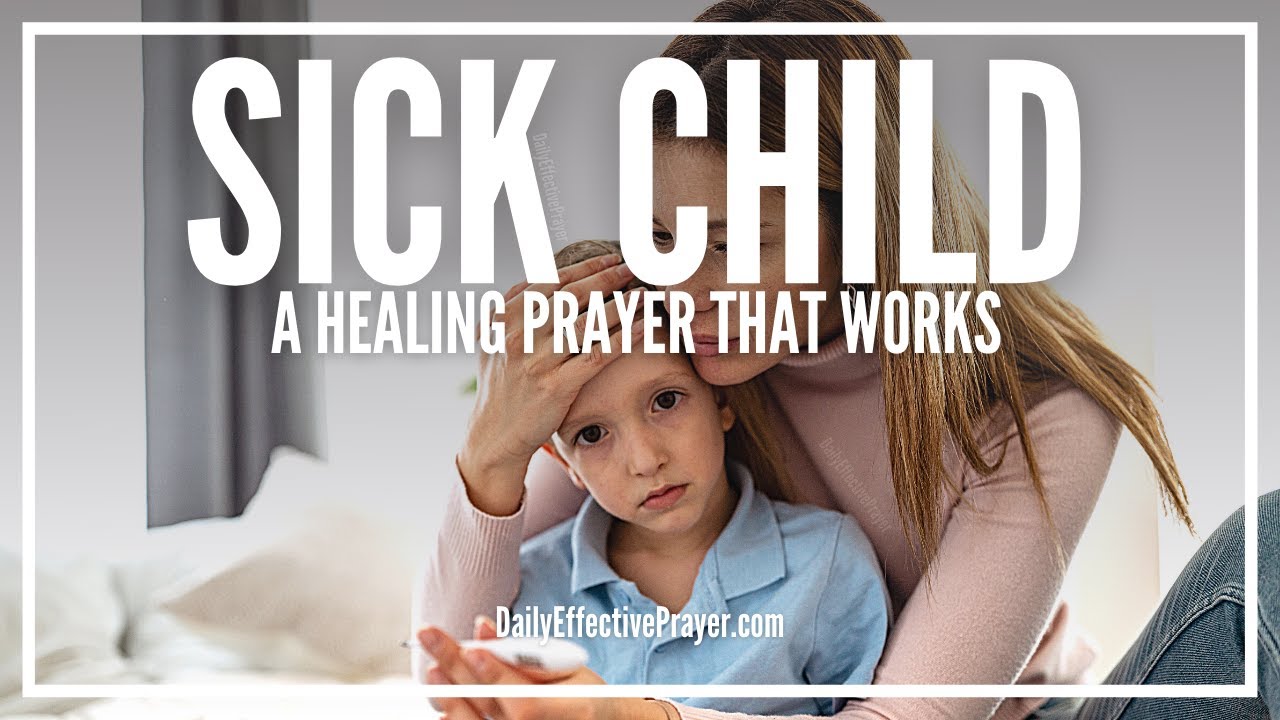
a prayer for a sick child: meaning, words and gentle guidance
When a child is unwell, many families look for ways to find comfort, courage and clarity. One time‑honoured response is to pause for a moment of reflection and offer a prayer for a sick child. Whether you are a parent, a grandparent, a godparent, or a close friend, prayer can help you express love and concern, ask for healing, and feel held by a wider community of care.
This guide explains what a prayer for a sick child is, why it matters, and how you can shape words that are sincere and sensitive. You will find simple frameworks, examples from Christian traditions, practical tips for praying alongside medical care, and gentle advice on what to avoid. The aim is to help you speak from the heart, whatever your level of religious experience.
What is a prayer for a sick child?
At its simplest, a prayer for a sick child is a thoughtful request for help, healing and protection, offered to God during a time of illness. It can be said silently or aloud, alone or with others, and it can be very short or a little longer. For many, it is a way to find peace amid uncertainty, to entrust a beloved child to God’s care, and to stay practically and emotionally steady when days feel overwhelming.
Prayer does not replace good medical care, nor is it a guarantee of a particular outcome. Rather, it is a faithful conversation: asking for the child’s health, thanking God for skilled clinicians and medicines, seeking strength for parents and carers, and asking for calm when fear rises. On difficult days, a prayer for a sick child also reminds us that love is steadfast and that we are not alone.

The heart of a prayer for a sick child: comfort, hope and presence
Comfort amid uncertainty
Illness can bring anxiety—waiting for test results, watching for symptoms, or managing treatment plans. A prayer for a sick child often begins by asking for comfort, using simple words like “be near us”, “bring calm”, or “hold us in your peace”. These phrases acknowledge worry without pretending it is not there.
Hope rooted in faith
Hope is not the same as denial. In a prayer for a sick child, hope means trusting that God’s goodness is active, even when we cannot control events. Words of hope invite courage: “Give us strength for today, and bright hope for tomorrow,” or “Help us to see signs of healing and kindness along the way.”
Presence and community
Another hallmark of a prayer for a sick child is the sense of presence—God’s presence with the child in pain or fear, and the presence of family, friends and faith communities who keep vigil. Many families find comfort in knowing that others are praying at the same time, creating a circle of care that stretches beyond the hospital room or home.
How to pray for a sick child: a simple, flexible framework
There is no single correct way to pray, but a gentle structure can help when emotions run high. Use the steps below as a guide, and adapt them to your tradition and voice.
1) Prepare your heart and space
- Choose a quiet moment if you can—perhaps before a clinic visit, at a bedside, or during a quiet evening.
- Breathe slowly. A few steady breaths help you focus.
- You may wish to hold the child’s hand (if appropriate), light a candle, or keep a comforting object nearby.
2) Begin with gratitude
Start your prayer for a sick child by thanking God for the child’s life, their unique personality, and any signs of progress, however small. Gratitude anchors hope.
3) Ask clearly, simply and kindly
Say what you need: relief from pain, restful sleep, wisdom for clinicians, resilience for parents and siblings. A prayer for a sick child can be plain and direct—God does not require fancy words.
4) Include the wider circle
Pray for doctors, nurses, therapists, teachers and carers; for those who sit with you; for friends who bring meals. Healing is often a team effort—prayer can reflect that.
5) Close with trust
End by entrusting the child to God’s care, asking for peace through the night and strength for tomorrow.
Short, adaptable template of a prayer for a sick child
“Loving God, thank you for the precious gift of [child’s name]. Please bring healing to their body and calm to their heart. Guide the hands and minds of everyone who cares for them, and give us strength and rest. Keep fear far away and surround us with your peace. We entrust [child’s name] to your gentle care. Amen.”
Longer intercessory example
“God of compassion, we bring to you [child’s name]. In their pain and weariness, be their shelter; in their treatment, be their strength; in their fears, be their comfort. Bless [parents’/carers’ names] with courage and patience. Grant wisdom to doctors, nurses and therapists, and prosper the medicine, surgery and therapies that serve this child’s recovery. Watch over this family in the night; give them rest. May hope rise with the morning light. We ask this in your mercy. Amen.”
Drawing on Christian traditions in a prayer for a sick child
Many Christians find rhythm and depth by combining spontaneous words with prayers used by the wider Church. The Jesus Prayer (“Lord Jesus Christ, Son of God, have mercy on me”) can be said slowly, in time with breathing, at a bedside. Devotions such as the Divine Mercy Chaplet prayer offer a structured way to pray for mercy and healing when words are hard to find. Both approaches can sit comfortably alongside a prayer for a sick child, providing gentle structure in anxious moments.
Including Scripture in a prayer for a sick child
Incorporating short Bible verses can be especially comforting. You might speak a verse before or after your prayer for a sick child, or quietly reflect on it while sitting with the child.
- Mark 10:14 – “Let the little children come to me.” Jesus’ welcome assures us that children are central to God’s heart.
- Numbers 6:24–26 – The Aaronic blessing: “The Lord bless you and keep you…” Many families use this as a nightly blessing.
- Psalm 23 – “The Lord is my shepherd.” Ideal for asking guidance and peace through difficult valleys.
- Zephaniah 3:17 – “He will quiet you with his love.” See a simple explanation of this verse here: meaning of Zephaniah 3:17.
If a child is old enough, you could invite them to choose a favourite verse, or to draw a picture about it. Including a child’s voice—even in a small way—can make a prayer for a sick child feel personal and empowering.
Praying alongside medical care
Prayer and medicine are allies. While you offer a prayer for a sick child, continue to follow medical advice, keep appointments and manage treatments as recommended by your clinical team. For practical guidance on common issues like fevers, see the NHS advice on children’s health: NHS guidance on fever in children. If you are receiving specialist care, organisations such as Great Ormond Street Hospital offer support services for families: support for families at Great Ormond Street Hospital.
Many hospitals have chaplaincy teams who can visit, pray and offer pastoral care regardless of your faith background. Do not hesitate to ask the ward staff for a chaplain if that would help. Including clinicians, chaplains and support staff in a prayer for a sick child honours the whole circle of care.
Finding your own words for a prayer for a sick child
Perfection is not the goal. A prayer for a sick child is effective because it is honest. If you are upset, say so. If you feel numb, that is valid as well. You can even pray using just a few repeated words, such as “Be with us” or “Please heal.” Short prayers fit well into hospital routines and can be repeated gently throughout the day.
If the child would like to participate, invite them to add a sentence: “What would you like to ask God today?” Some children prefer pictures, songs, or quiet listening. All of these can be part of a thoughtful prayer for a sick child.
Common mistakes to avoid when offering a prayer for a sick child
- Overpromising outcomes: Avoid suggesting that praying in a particular way guarantees a cure. Keep requests humble and hopeful.
- Using complicated language: Choose clear words. A simple prayer for a sick child is often the most comforting.
- Ignoring emotions: Do not push aside fear or sadness. Acknowledge them and ask for comfort.
- Forgetting the family: Remember parents, carers and siblings. They need rest and strength too.
- Praying without consent: In shared spaces, ask before praying aloud. Respect people’s boundaries.
- Neglecting professional help: Prayer is not a substitute for medical advice or urgent care.
Supporting parents and carers beyond words
Prayer often inspires practical compassion. If you are part of a family’s support network, your prayer for a sick child can be complemented by tangible acts of care:
- Offer to bring a meal, run errands or drive to appointments.
- Send brief messages that say, “Thinking of you” without demanding a reply.
- Help with siblings’ routines—school runs, homework, playtime.
- Create a rota so support is steady rather than overwhelming all at once.
- Respect confidentiality and share updates only with permission.
Interfaith and inclusive language for a prayer for a sick child
Families differ in how they address God. Some use “Lord”, others “Loving God”, “Heavenly Father”, “Creator”, or simply “God”. In interfaith settings, you may choose inclusive language that honours everyone present. The heart of a prayer for a sick child remains the same: care, honesty, and hope.
If you are praying with people from different traditions, you can invite each person to share a short blessing from their own practice. This acknowledges diversity while uniting around the child’s wellbeing.
When a prayer for a sick child is hard to say
There are times when words do not come. Fatigue, frustration or grief can make prayer feel out of reach. In those moments, you can lean on very short phrases (“God, help”), say a familiar prayer slowly, or sit in silence, trusting that your presence is a prayer in itself. Many find comfort in written prayers from their tradition, including the Church of England’s collection of prayers for illness and difficulty: prayers for those who are ill or struggling. You may also appreciate curated intercessions from other traditions, such as the US Catholic bishops’ prayers for the sick.
Recommended external resources
- NHS: Fever in children and when to seek help – Practical health guidance to complement a prayer for a sick child.
- Great Ormond Street Hospital: Support for families – Emotional, spiritual and practical support services.
- Church of England: Prayers for illness – Short prayers suitable for children and families.
- USCCB: Prayers for the sick – Additional texts and devotions that can be adapted.
Related articles
Frequently asked questions about a prayer for a sick child
Can I write my own words for a prayer?
Yes. The most meaningful prayer for a sick child is one spoken from the heart. You can use a simple structure—gratitude, request, trust—and add details about the child’s needs. Short, plain English is best.
What if I am not religious or am unsure what I believe?
You can still pause, speak words of kindness, or sit quietly with the intention of love and healing. Many people find that a gentle blessing or moment of silence is a respectful way to offer support, even if they do not follow a particular faith. An inclusive prayer for a sick child can address “God” or simply say “May you be held in love and peace.”
How often should I pray?
There is no rule. Some families pray briefly at the start and end of the day; others pray before appointments or procedures. Consistency can be reassuring, but flexibility is important. Follow the child’s needs and your own capacity.
What should I do if the child or family do not want prayer?
Respect their wishes. You can still support them practically and emotionally. If appropriate, you can say you will keep them in your thoughts. Consent matters when offering a prayer for a sick child, especially in shared spaces like hospitals.
Does praying mean I should avoid medical treatment?
No. Prayer and medicine work together. Keep following clinical advice while you continue to pray. If a situation is urgent, seek professional help immediately; you can pray on the way.
Is it all right to ask for specific healing?
Yes, many people ask directly for relief, recovery or successful treatment. Balance this with trust—ending a prayer for a sick child by asking for strength, peace and guidance helps when outcomes are uncertain.
Conclusion on a prayer for a sick child
In times of illness, words can steady us. Offering a prayer for a sick child gives voice to love, hope and trust. It invites healing while honouring medicine and the expertise of those who care professionally. Above all, it reminds families that they are held—by God, by community, and by the everyday kindnesses that make hard days bearable.
There is no perfect formula. A quiet breath, a few simple sentences, or a familiar verse may be exactly what is needed. You can adapt your language and approach to your tradition and circumstances, remembering that the heart of a prayer for a sick child is compassion: asking for comfort, wisdom and strength for the child and for everyone who loves them.
As you go, consider a small daily rhythm—morning gratitude, an afternoon request for courage, and an evening blessing. Let this rhythm carry you alongside medical care, family routines and practical support. In all of this, a prayer for a sick child can be a faithful companion: gentle, honest and full of hope.
