4 Horsemen of the Apocalypse Names & Meanings: 5 Key Insights
Respuesta Rápida
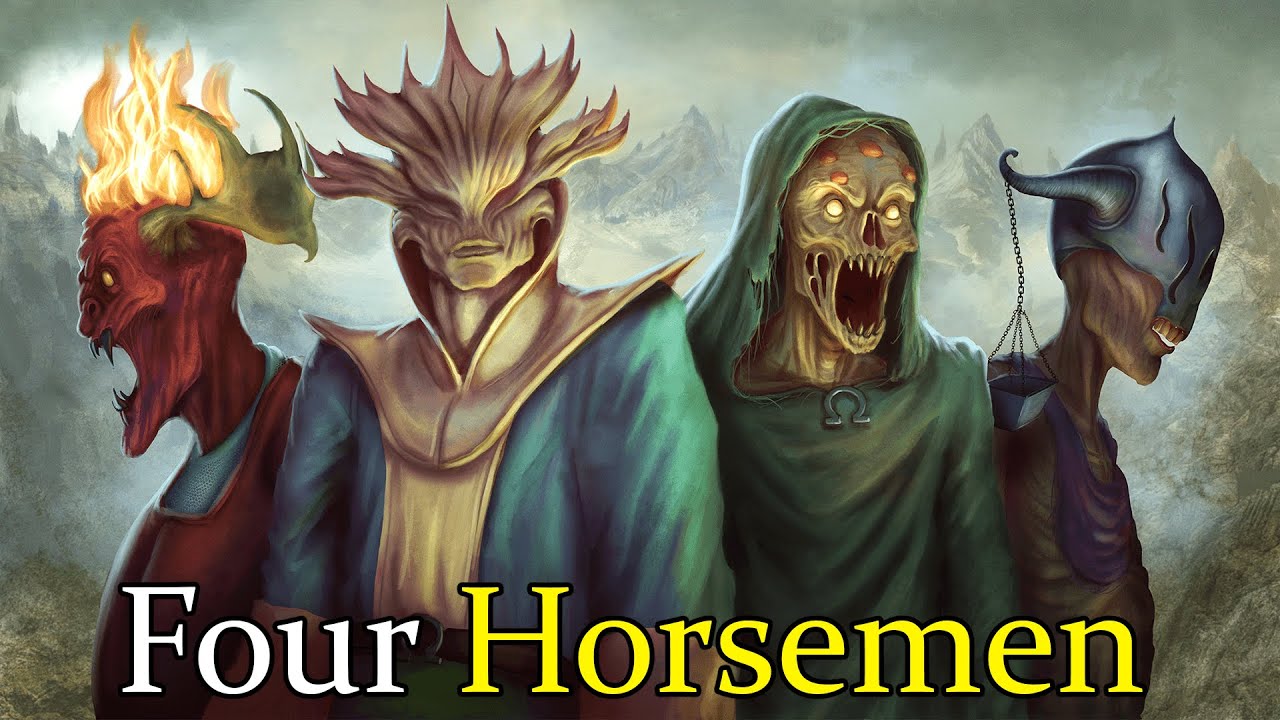
The Four Horsemen of the Apocalypse are symbolic figures from the biblical Book of Revelation, representing significant calamities that herald the end times. Each horseman rides a distinctively colored horse and embodies a specific aspect of human suffering and divine judgment: Conquest, War, Famine, and Death.
Five key insights into their names and meanings:
- Conquest (White Horse): Represents military or ideological triumph, often through deceit.
- War (Red Horse): Symbolizes widespread bloodshed, violence, and conflict.
- Famine (Black Horse): Embodies scarcity, economic hardship, and hunger, often with scales for weighing food.
- Death (Pale Horse): Signifies mortality, disease, and the culmination of the preceding calamities, often accompanied by Hades.
- Universal Archetypes: Transcends religious texts, influencing culture as warnings of human folly and global crises.
Have you ever encountered the chilling imagery of the Four Horsemen of the Apocalypse, perhaps in a dramatic film, a gripping novel, or even ancient artwork, and felt a shiver of curiosity? These iconic figures from the biblical Book of Revelation are synonymous with impending doom, global catastrophe, and the ultimate trials humanity might face. But what exactly are the 4 Horsemen of the Apocalypse names and meanings, and what profound insights do these ancient symbols hold for us today?
The 4 Horsemen of the Apocalypse are far more than mere characters in a spiritual epic. They are powerful archetypes, woven from threads of divine judgment and human experience, representing forces that have plagued humanity throughout history: conquest, war, famine, and death. Their story challenges us to look beyond simplistic interpretations and grasp the profound theological, historical, and psychological truths embedded in their terrifying ride. It’s like discovering an ancient, coded warning, its symbols designed to awaken us to the consequences of our choices and the fragility of our world.

For us here at oracioncristiana.org, exploring such timeless wisdom strengthens our faith and clarifies our path. So, dive right in and uncover the 5 key insights that reveal the 4 Horsemen of the Apocalypse names and meanings and their powerful relevance for your daily life!
What Are the 4 Horsemen? (Harbingers of Apocalypse)
Let’s begin with a clear explanation of these iconic figures. The 4 Horsemen of the Apocalypse are four symbolic figures from the biblical Book of Revelation, introduced by the opening of the first four of seven seals, and they represent significant calamities that herald the end times and bring various forms of chaos and destruction upon the earth.
These figures are depicted in Revelation 6:1-8, each riding a horse of a different color:
“I watched as the Lamb opened the first of the seven seals… a white horse. Its rider held a bow, and he was given a crown, and he rode out as a conqueror bent on conquest.” (Revelation 6:1-2)
“When the Lamb opened the second seal… another horse came out, a fiery red one. Its rider was given power to take peace from the earth and to make people kill each other. To him was given a large sword.” (Revelation 6:3-4)
“When the Lamb opened the third seal… a black horse. Its rider was holding a pair of scales in his hand. Then I heard what sounded like a voice among the four living creatures, saying, ‘Two pounds of wheat for a day’s wages, and six pounds of barley for a day’s wages, and do not damage the oil and the wine!'” (Revelation 6:5-6)
“When the Lamb opened the fourth seal… there before me was a pale horse! Its rider was named Death, and Hades was following close behind him. They were given power over a fourth of the earth to kill by sword, famine, plague and by the wild beasts of the earth.” (Revelation 6:7-8)
Each horseman carries specific attributes that define their destructive power, collectively symbolizing the profound trials humanity will face. They are not merely destructive forces; they are also harbingers of divine judgment, urging humanity to reflect on its choices. It’s like a dramatic prelude to a grand, cosmic drama, each act bringing profound consequences.
1. The White Horseman: Conquest (or Pestilence)
The first horseman appears as a figure of deceptive victory, but one that often leads to deeper suffering. The first horseman rides a white horse, is often interpreted as “Conquest” (or sometimes “Pestilence”), and symbolizes military or ideological triumph, the spread of dominating forces, or the deceptive appearance of peace that precedes conflict.
This horseman’s appearance is particularly intriguing due to its white horse, a color often associated with purity or righteousness:
- White Horse: While traditionally symbolizing purity, here it can signify a deceptive or seemingly righteous conquest that masks underlying destructive intentions.
- Bow and Crown: The rider carries a bow (a weapon of war) and wears a crown (symbolizing victory or authority), indicating a powerful ruler or ideology bent on subjugation.
- Conqueror Bent on Conquest: This explicitly states his nature—he seeks to dominate, whether through military force, political ideology, or persuasive deception.
Some interpretations also link this horseman to Pestilence or disease, as conquest often brings plague in its wake. The white horseman’s initial appearance as a conqueror often represents the beginning of the end-time tribulations, leading the way for the more overt destruction of the subsequent horsemen. It’s like a grand, imposing army marching forth, its banners gleaming, promising order, but ultimately bringing subjugation. This subtle yet powerful symbolism defines this initial phase of the apocalypse. You can find more on the White Horseman from Encyclopedia Britannica.
2. The Red Horseman: War (Taking Peace from the Earth)
Following the deceptive peace of conquest, the second horseman brings overt, widespread conflict. The second horseman rides a fiery red horse, is unambiguously named “War,” and symbolizes widespread bloodshed, violence, and the breakdown of peace, granted power to incite people to kill one another.
This horseman’s imagery is stark and direct:
- Fiery Red Horse: The color red vividly represents bloodshed, violence, and intense conflict. It leaves no room for misinterpretation about his purpose.
- Large Sword: The rider is given a “large sword,” indicating his power to bring about widespread killing and engage in devastating warfare.
- Taking Peace: His explicit mission is “to take peace from the earth and to make people kill each other,” signifying a period of profound global or societal strife.
The Red Horseman is a powerful reminder of humanity’s destructive nature when driven by hatred, greed, or ideological clashes. His unveiling signals a time when nations rise against one another, and internal conflicts rage, emphasizing the tragic cycles of history fueled by aggression. It’s like a raging inferno, consuming everything in its path, leaving behind only desolation and despair. This enduring symbol of conflict highlights the profound cost of discord and division, prompting reflections on our responsibility towards peace and coexistence in our contemporary world.
3. The Black Horseman: Famine (Scarcity and Injustice)
As the ravages of war deplete resources and disrupt societies, the third horseman emerges, bringing a new form of suffering. The third horseman rides a black horse, is identified as “Famine,” and symbolizes widespread scarcity, economic hardship, and the unequal distribution of resources, often carrying a pair of scales.
This horseman’s details paint a grim picture of economic collapse and hunger:
- Black Horse: The color black represents desolation, mourning, and the darkness of despair that accompanies widespread hunger.
- Pair of Scales: The rider carries a “pair of scales” (or a yoke in some interpretations), signifying the careful rationing of food and the immense cost of basic sustenance. “Two pounds of wheat for a day’s wages, and six pounds of barley for a day’s wages” (Revelation 6:6) means immense inflation and economic hardship, where basic food becomes incredibly expensive.
- Do Not Damage Oil and Wine: The instruction “do not damage the oil and the wine” (luxury goods) suggests that while staples become scarce for the poor, the rich still have their luxuries, highlighting stark economic inequality.
The Black Horseman is a stark reminder of the fragility of social systems and the devastating consequences of resource mismanagement, environmental catastrophes, or human greed. His presence warns of widespread hunger, loss, and despair. It’s like a delicate balance being utterly destroyed, leading to a desperate struggle for survival. This symbol resonates deeply with modern concerns about food security, sustainability, and economic disparity, urging solutions aimed at combating hunger and ensuring equitable food distribution globally.
4. The Pale Horseman: Death (The Finality of Mortality)
The final horseman is perhaps the most inevitable and universal, representing the ultimate conclusion to the preceding calamities. The fourth horseman rides a pale, sickly green horse, is unequivocally named “Death,” and signifies mortality, disease, plague, and the culmination of the chaos brought forth by the other horsemen, with Hades (the realm of the dead) following close behind him.
This chilling imagery is explicit:
- Pale (Greenish) Horse: The Greek word is chloros (χλωρός), meaning pale, sickly green, or ashen—the color of decay and disease. It vividly conveys the image of sickness and the pallor of death.
- Rider Named Death: This is the only horseman whose name is explicitly given in the text, emphasizing his finality.
- Hades Following: The presence of Hades (the ancient Greek underworld or realm of the dead) directly behind him signifies that Death opens the way to the afterlife, collecting the souls of the departed.
- Power to Kill: They were given power “over a fourth of the earth to kill by sword, famine, plague and by the wild beasts of the earth,” summarizing the combined effects of the previous horsemen and other forms of destruction.
The Pale Horseman serves as a powerful reminder of our temporality, the inevitability of mortality, and the ultimate consequences of human sin and global strife. It urges introspection concerning the meanings we attribute to our lives and the legacy we choose to leave behind. It’s like the final, solemn chime of a clock, marking the end of a cycle and ushering in the ultimate reckoning. This chilling figure has profoundly shaped philosophical discussions and artistic expressions across cultures, prompting us to live with purpose and accountability.
The Enduring Relevance: Lessons for a Modern World
The 4 Horsemen of the Apocalypse names and meanings are far from outdated biblical relics. They are timeless archetypes, continuously resonating through history and modern culture, offering profound lessons and stark warnings for our world today. Their relevance is enduring because they speak to universal human experiences and persistent global challenges.
These ancient figures serve as:
- Cautionary Tales: They urge societies to reflect on tendencies toward domination (Conquest), conflict (War), mismanagement of resources (Famine), and the inevitability of mortality (Death).
- Metaphors for Global Crises: In contemporary discourse, the horsemen are often invoked as powerful metaphors for modern threats like geopolitical conflicts, economic crises, pandemics, and environmental disasters.
- Call to Action: They prompt us to engage in conversations about peace, justice, equitable resource distribution, and our collective responsibility towards human welfare.
- Encouragement for Resilience: While terrifying, they also remind believers of God’s ultimate sovereignty and the promise of a new heaven and new earth where these calamities will be no more (Revelation 21:4).
What Lessons from the 4 Horsemen Will Guide Your Path Today?
The exploration of the 4 Horsemen of the Apocalypse names and meanings unveils a profound and often unsettling narrative. From the deceptive triumph of Conquest to the brutal chaos of War, the stark injustice of Famine, and the chilling finality of Death, these biblical figures offer timeless insights into the human condition and the consequences of our choices.
May this understanding inspire you to reflect on your own actions, to strive for peace and justice in your community, and to approach the challenges of our world with greater awareness, resilience, and unwavering hope in God’s ultimate plan. What powerful symbols to ponder and learn from!
Now, I’d love to hear from you. The comments section is open!
→ Which of these 7 key facts about the 4 Horsemen of the Apocalypse names and meanings resonated most deeply with your understanding or surprised you the most?
→ How does the symbolism of a specific horseman (e.g., Famine with scales, White Horse with bow) uniquely speak to a challenge you see in the world today?
→ What’s one practical step you feel inspired to take this week to work towards peace, justice, or greater awareness of global issues, drawing lessons from the Horsemen?
Let’s share our insights and encourage one another in our oracioncristiana.org community!
